Ko Min Jun, Yoo Woojung, Min Sunhong, Zhang Yu Shrike, Joo Jinmyoung, Kang Heemin, Kim Dong-Hyun
Department of Radiology, Feinberg School of Medicine, Northwestern University, Chicago, IL 60611, USA.
Department of Biomedical Engineering, Ulsan National Institute of Science and Technology (UNIST), Ulsan 44919, Republic of Korea.
Coord Chem Rev. 2024 Feb 1;500. doi: 10.1016/j.ccr.2023.215532. Epub 2023 Nov 10.
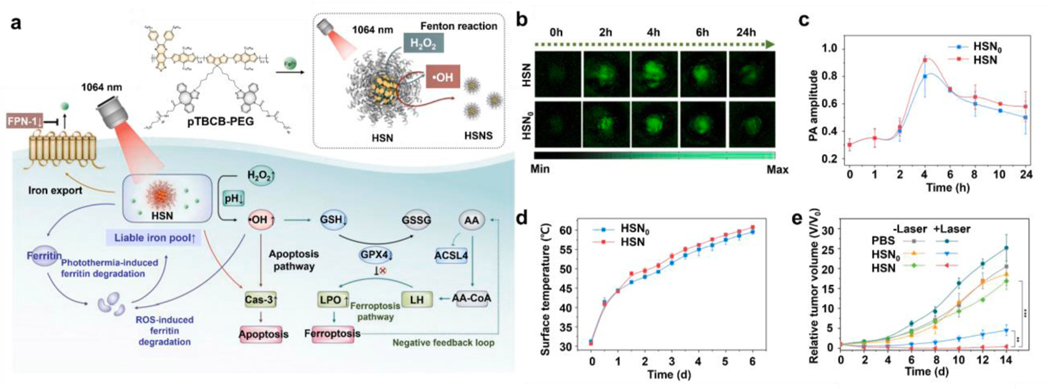
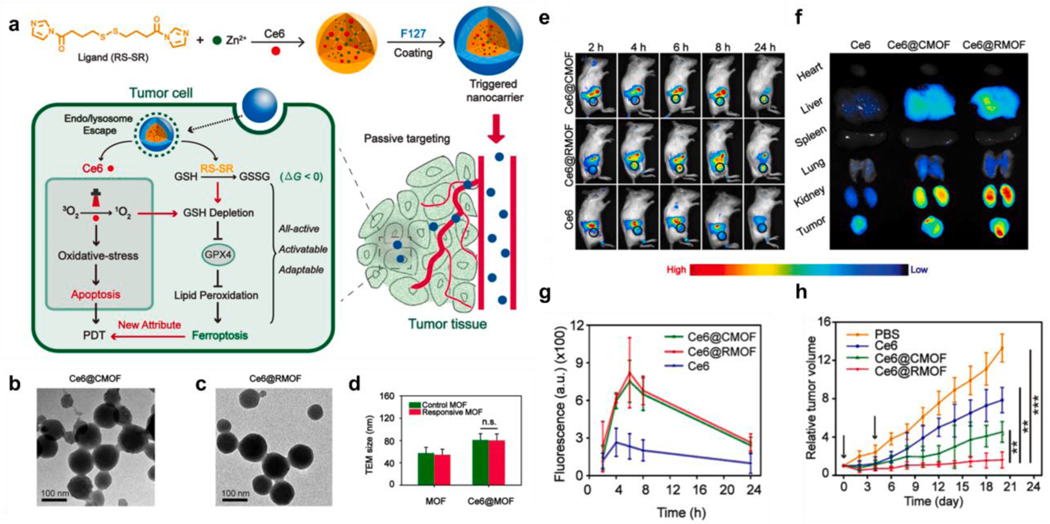
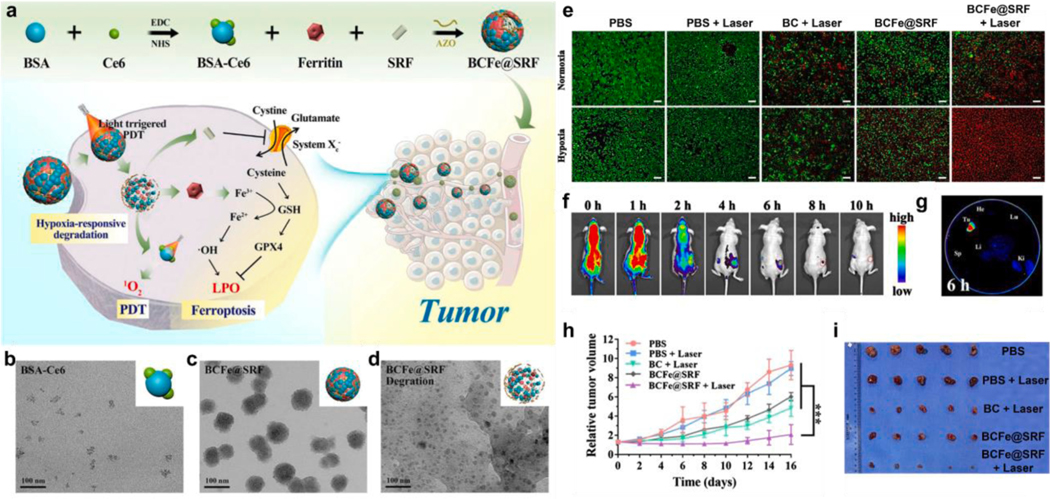
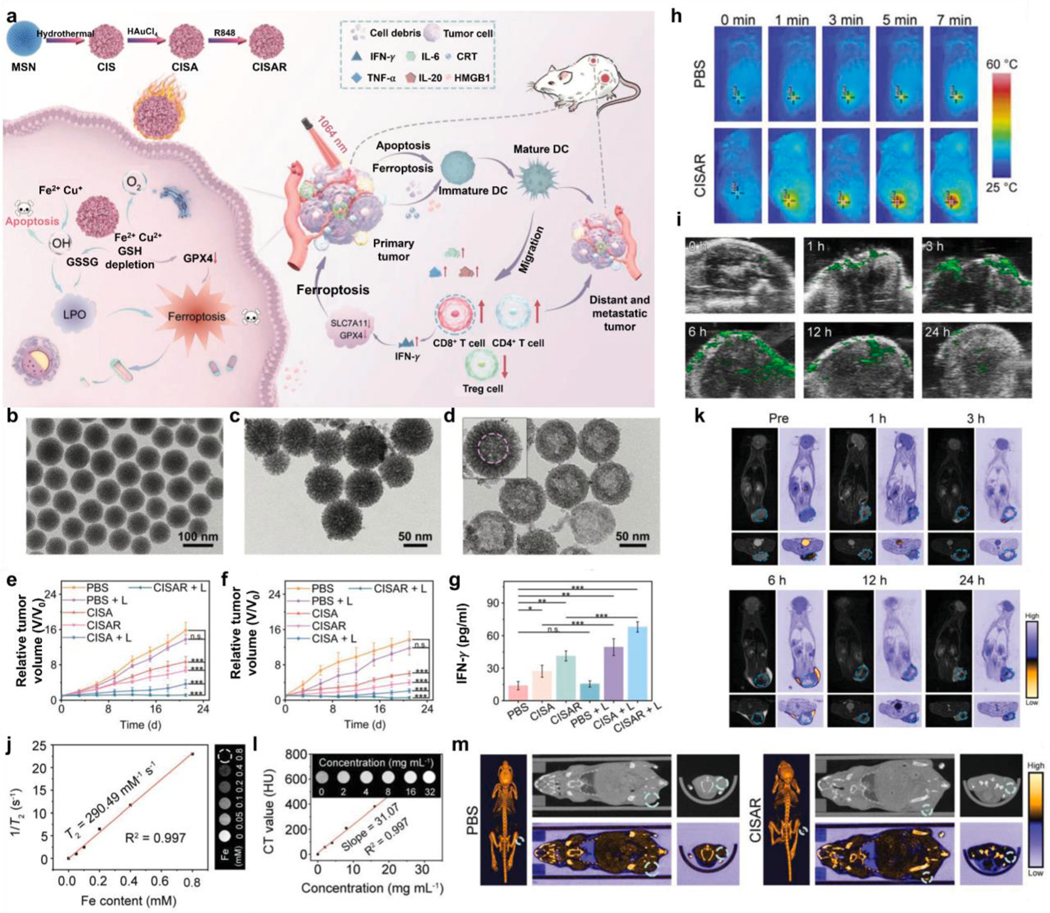
Photonic nanomaterials, characterized by their remarkable photonic tunability, empower a diverse range of applications, including cutting-edge advances in cancer nanomedicine. Recently, ferroptosis has emerged as a promising alternative strategy for effectively killing cancer cells with minimizing therapeutic resistance. Novel design of photonic nanomaterials that can integrate photoresponsive-ferroptosis inducers, -diagnostic imaging, and -synergistic components provide significant benefits to effectively trigger local ferroptosis. This review provides a comprehensive overview of recent advancements in photonic nanomaterials for image-guided ferroptosis cancer nanomedicine, offering insights into their strengths, constraints, and their potential as a future paradigm in cancer treatment.
光子纳米材料具有显著的光子可调性,可用于多种应用,包括癌症纳米医学的前沿进展。最近,铁死亡已成为一种有前景的替代策略,能够有效杀死癌细胞并将治疗抗性降至最低。能够整合光响应性铁死亡诱导剂、诊断成像和协同成分的新型光子纳米材料设计,为有效触发局部铁死亡带来了显著益处。本文综述了用于图像引导铁死亡癌症纳米医学的光子纳米材料的最新进展,深入探讨了它们的优势、局限性以及作为癌症治疗未来范式的潜力。