Palla Michela, Turrini Alessandra, Cristani Caterina, Bonora Laura, Pellegrini David, Primicerio Jacopo, Grassi Arianna, Hilaj Filip, Giovannetti Manuela, Agnolucci Monica
Department of Agriculture, Food and Environment, University of Pisa, Via del Borghetto 80, 56124, Pisa, Italy.
National Research Council-Institute of BioEconomy (CNR-IBE), via Madonna del Piano 10, 50019, Sesto Fiorentino (FI), Italy.
Bioresour Bioprocess. 2022 Apr 21;9(1):45. doi: 10.1186/s40643-022-00534-2.
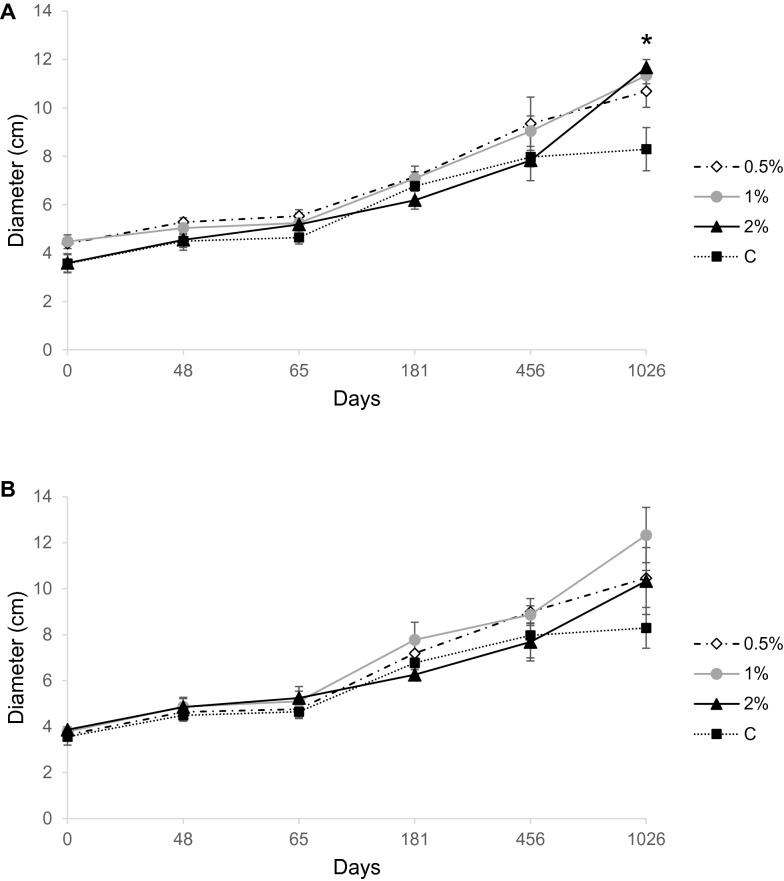
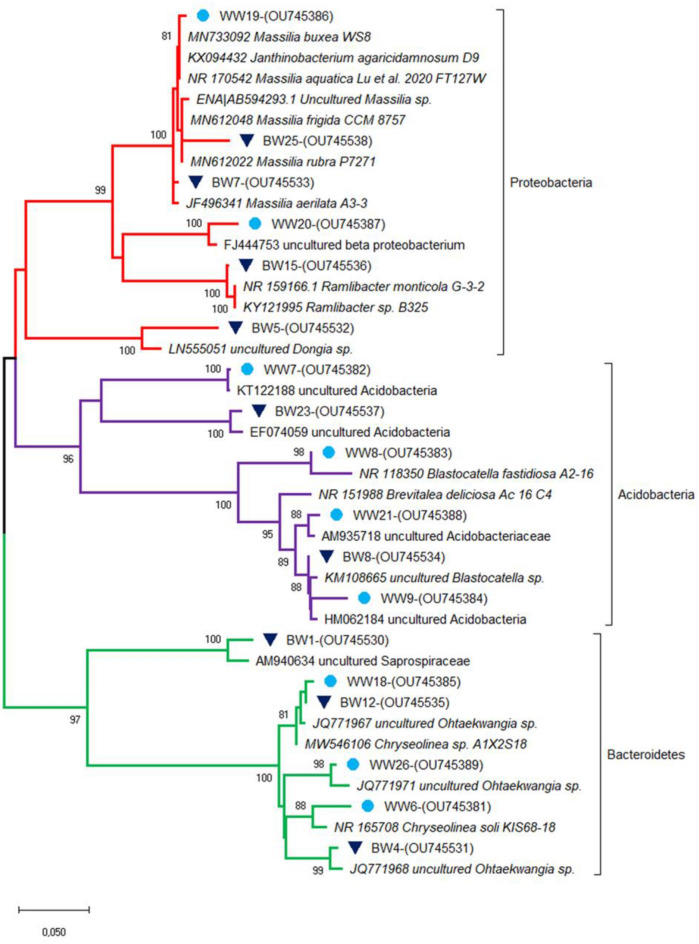
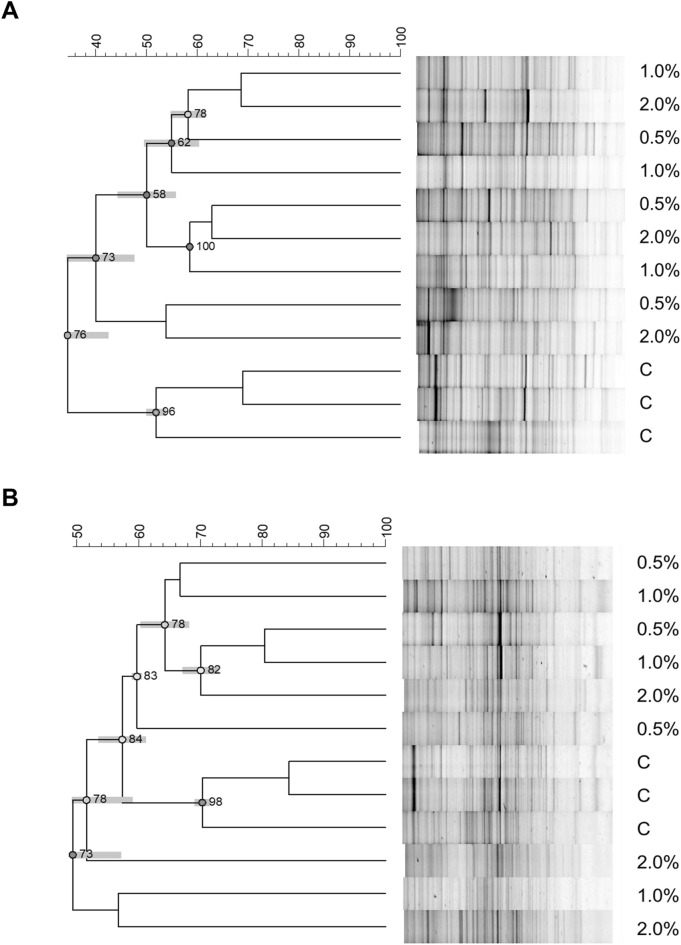
In recent years the use of organic matter soil amendments, such as agricultural by-products, has been implemented with the aim of increasing soil fertility, while minimizing the environmental impact of agriculture. Sheep wool residues (SWR) have shown beneficial effects on plant nutrition and soil properties, while only few works assessed their impact on soil microbial communities. The main aim of this work was to investigate the possible valorization of two SWR types (scoured residues, white wool, WW, and carbonized scoured residues, black wool, BW) as organic soil amendments, in pot-grown olive trees, by evaluating their impact on soil bacterial communities and mycorrhizal symbionts. The two SWR types did not negatively impact on the diversity and composition of soil bacterial communities, as revealed by PCR-denaturating gradient gel electrophoresis (PCR-DGGE) of partial 16S rRNA gene, and on the activity of native arbuscular mycorrhizal fungi (AMF), while positively affecting plant growth. Only the highest doses of one SWR type (2% BW) caused a decrease in bacterial diversity and native AMF ability to colonize olive roots. DGGE bands sequencing allowed the identification of the major bacterial taxa. Sequences corresponding to Ohtaekwangia spp., Beta proteobacterium, Blastocatella sp., Ramlibacter monticola and Massilia frigida/rubra, Dongia sp. and Chloroflexi were mainly represented in SWR-amended soils, while those represented by Chryseolinea soli and Acidobacteria were abundant in control soil. Overall, this work showed that SWR may be valorized as organic soil amendments, as soil bacteria and AMF, representing key factors of biological soil fertility, were not negatively affected, while the activity of bacterial genera and species known for their ability to decompose complex compounds was boosted. Further studies will investigate the biodegradation efficiency of the diverse bacterial taxa developing in SWR-amended soils.
近年来,人们开始使用有机物质土壤改良剂,如农业副产品,目的是提高土壤肥力,同时将农业对环境的影响降至最低。羊毛残渣(SWR)已显示出对植物营养和土壤性质有有益影响,而仅有少数研究评估了其对土壤微生物群落的影响。这项工作的主要目的是,通过评估两种类型的羊毛残渣(洗净残渣、白羊毛,WW;碳化洗净残渣、黑羊毛,BW)对盆栽橄榄树土壤细菌群落和菌根共生体的影响,来研究其作为有机土壤改良剂的潜在价值。部分16S rRNA基因的PCR-变性梯度凝胶电泳(PCR-DGGE)结果显示,这两种类型的羊毛残渣对土壤细菌群落的多样性和组成以及原生丛枝菌根真菌(AMF)的活性均无负面影响,同时对植物生长有积极影响。只有一种羊毛残渣类型的最高剂量(2% BW)导致细菌多样性和原生AMF定殖橄榄根的能力下降。DGGE条带测序有助于鉴定主要细菌分类群。与大田光岗菌属、β-变形菌、芽孢卡特菌属、蒙蒂拉米杆菌和冷/红马赛菌、东氏菌属以及绿弯菌门相对应的序列主要出现在添加羊毛残渣的土壤中,而在对照土壤中,以土壤金黄杆菌属和酸杆菌门为代表的序列较为丰富。总体而言,这项工作表明,羊毛残渣可作为有机土壤改良剂,因为作为生物土壤肥力关键因素的土壤细菌和AMF未受到负面影响,而那些以分解复杂化合物能力著称的细菌属和种的活性得到了增强。进一步的研究将调查在添加羊毛残渣的土壤中生长的不同细菌分类群的生物降解效率。