Mohebbi Elaheh, Pavoni Eleonora, Minnelli Cristina, Galeazzi Roberta, Mobbili Giovanna, Sabbatini Simona, Stipa Pierluigi, Fakhrabadi Mir Masoud Seyyed, Laudadio Emiliano
Department of Science and Engineering of Matter, Environment and Urban Planning, Marche Polytechnic University, 60131 Ancona, Italy.
Department of Life and Environmental Sciences, Marche Polytechnic University, 60131 Ancona, Italy.
Nanomaterials (Basel). 2024 Apr 16;14(8):687. doi: 10.3390/nano14080687.
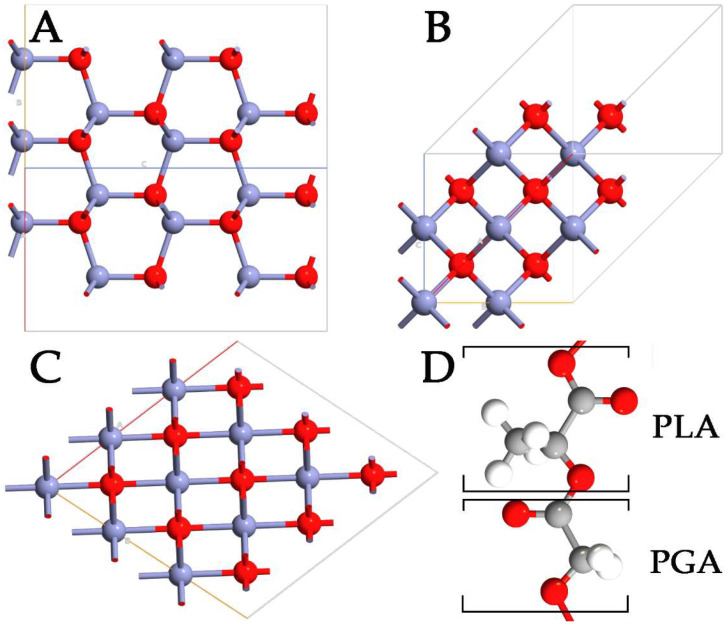
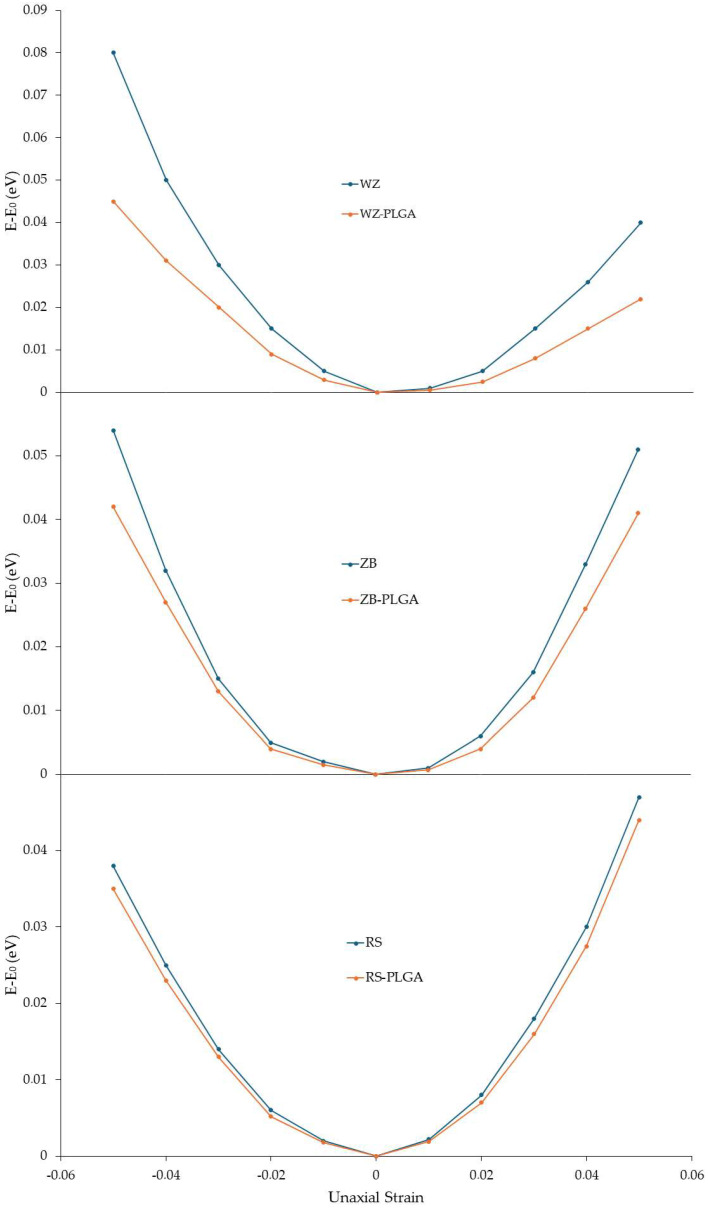
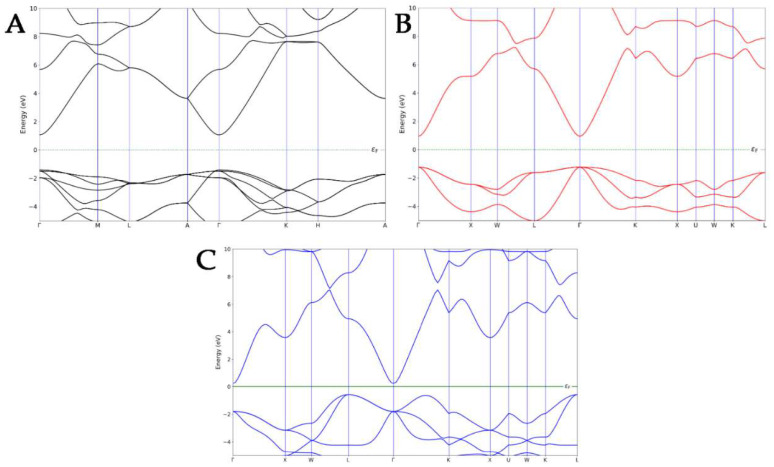
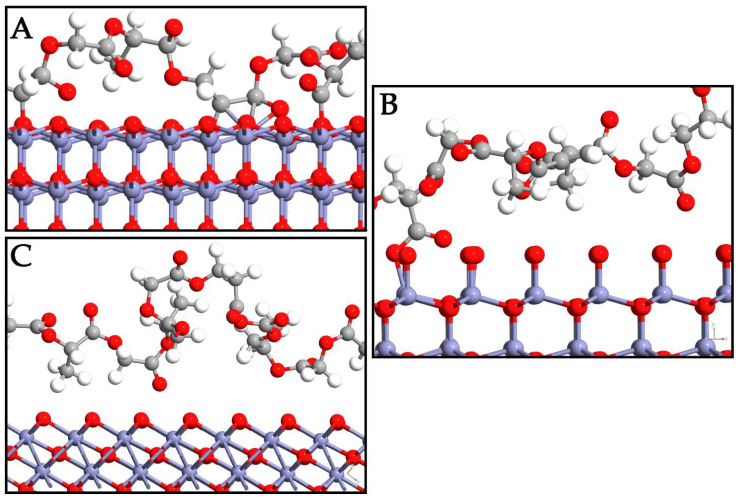
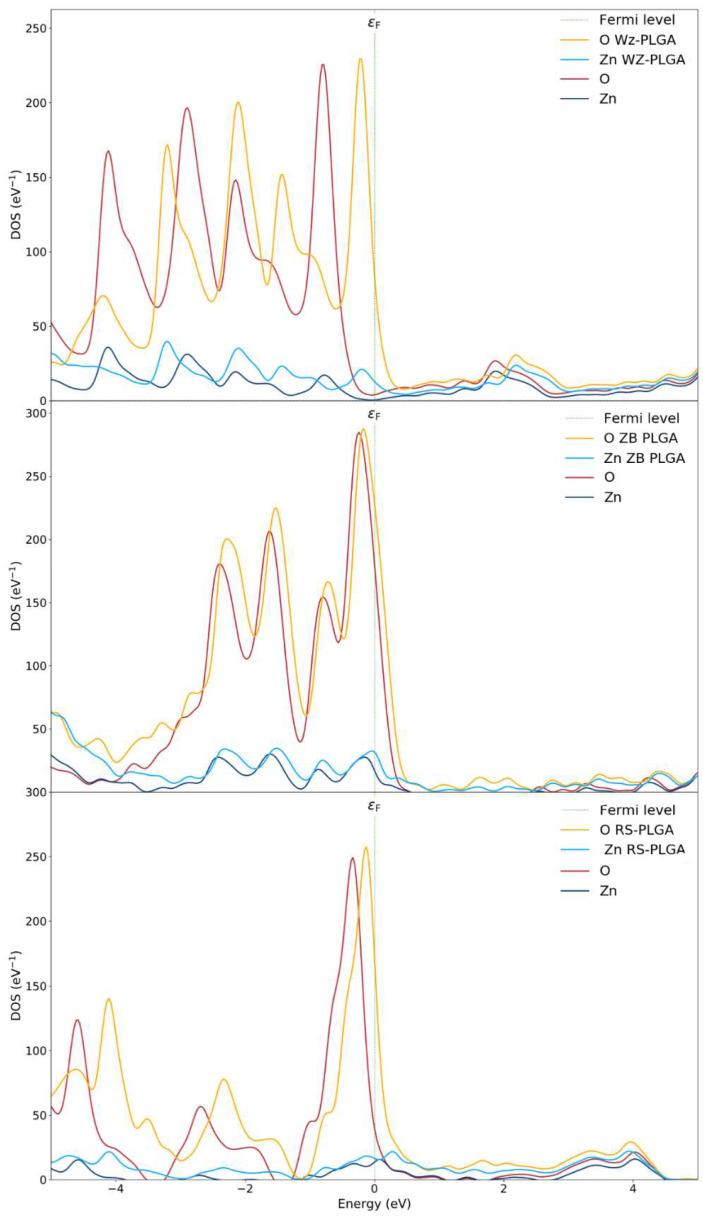
Zinc oxide and polylactic-co-glycolic acid (ZnO-PLGA) nanocomposites are known to exhibit different biomedical applications and antibacterial activity, which could be beneficial for adding to wound dressings after different surgeries. However, possible cytotoxic effects along with various unexpected activities could reduce the use of these prominent systems. This is correlated to the property of ZnO, which exhibits different polymeric forms, in particular, wurtzite, zinc-blende, and rocksalt. In this study, we propose a computational approach based on the density functional theory to investigate the properties of ZnO-PLGA systems in detail. First, three different stable polymorphs of ZnO were considered. Subsequently, the abilities of each system to absorb the PLGA copolymer were thoroughly investigated, taking into account the modulation of electrical, optical, and mechanical properties. Significant differences between ZnO and PLGA systems have been found; in this study, we remark on the potential use of these models and the necessity to describe crucial surface aspects that might be challenging to observe with experimental approaches but which can modulate the performance of nanocomposites.
氧化锌与聚乳酸 - 乙醇酸共聚物(ZnO - PLGA)纳米复合材料具有不同的生物医学应用和抗菌活性,这对于不同手术后添加到伤口敷料中可能是有益的。然而,可能的细胞毒性作用以及各种意外活性可能会减少这些卓越体系的使用。这与ZnO的性质相关,ZnO呈现不同的聚合物形式,特别是纤锌矿、闪锌矿和岩盐。在本研究中,我们提出一种基于密度泛函理论的计算方法,以详细研究ZnO - PLGA体系的性质。首先,考虑了ZnO的三种不同稳定多晶型。随后,在考虑电学、光学和力学性能调制的情况下,全面研究了每个体系吸收PLGA共聚物的能力。已发现ZnO和PLGA体系之间存在显著差异;在本研究中,我们阐述了这些模型的潜在用途以及描述关键表面方面的必要性,这些方面可能难以通过实验方法观察到,但可以调节纳米复合材料的性能。