Faculty of Medicine and Health Sciences, Catholic University of Valencia San Vicente Mártir, c/Quevedo, 2, 46001 Valencia, Spain.
Doctoral School, Catholic University of Valencia San Vicente Mártir, c/Quevedo, 2, 46001 Valencia, Spain.
Nutrients. 2024 Apr 25;16(9):1278. doi: 10.3390/nu16091278.
Plant-based diets are becoming more and more widespread among the Spanish population, progressively replacing the Mediterranean dietary pattern. Different studies have shown the motivations for adherence to these diets, and others have highlighted some health advantages and disadvantages.
Further studies are needed to define the socio-demographic determinants that influence the choice of a plant-based diet and to study the relationship that the choice of dietary pattern has on the health and lifestyle habits of the population.
A descriptive, cross-sectional study was conducted on the Spanish population. The NutSo-HH questionnaire, developed and validated by the research team, was used to gather socio-demographic, nutritional, social, and lifestyle information through non-probabilistic snowball sampling.
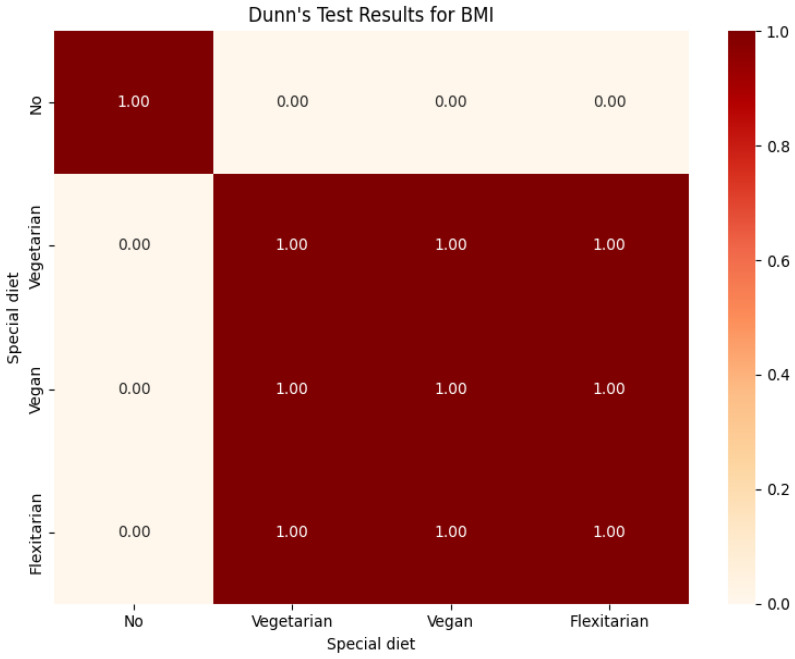
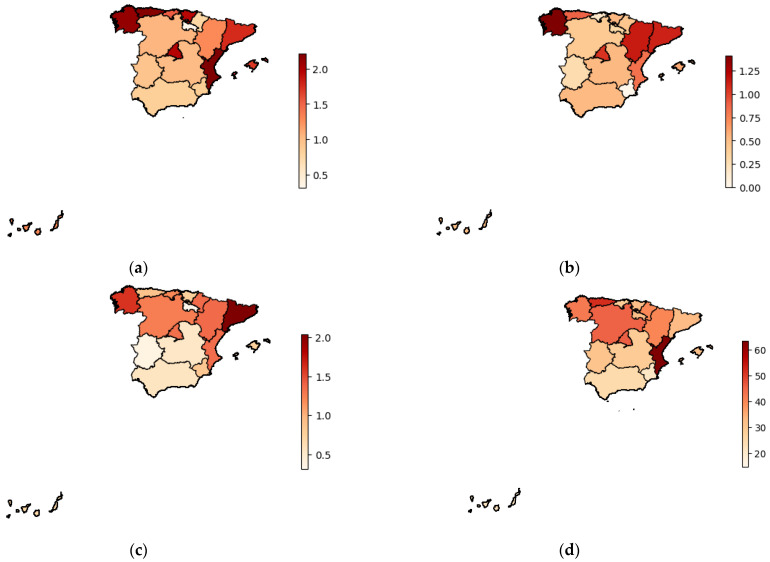
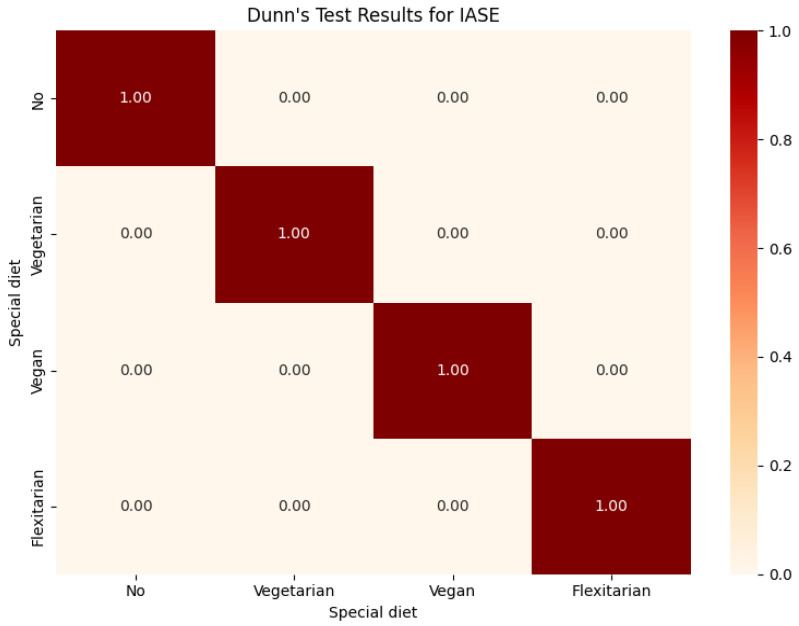
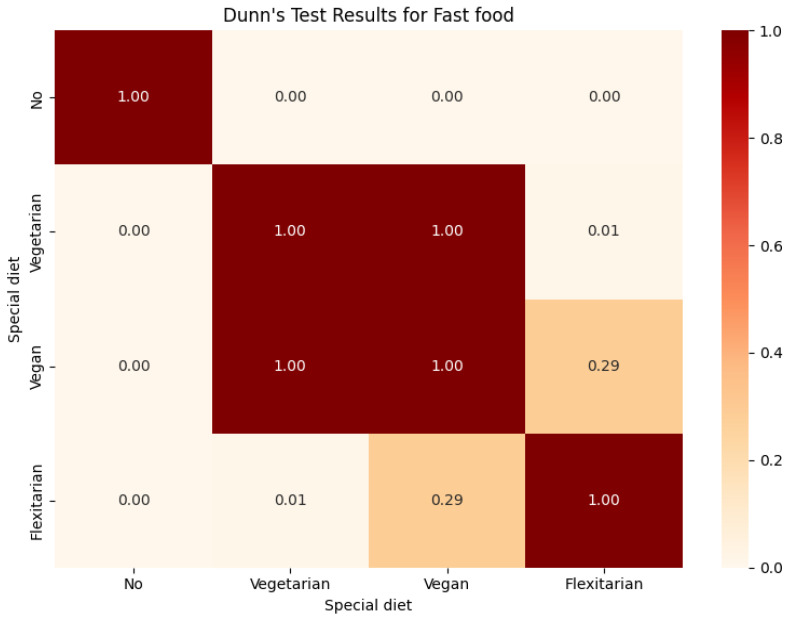
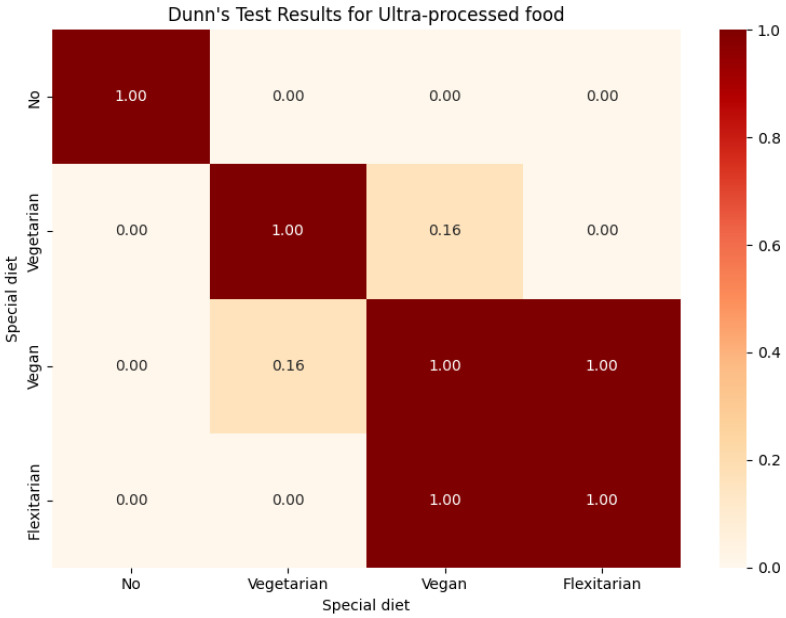
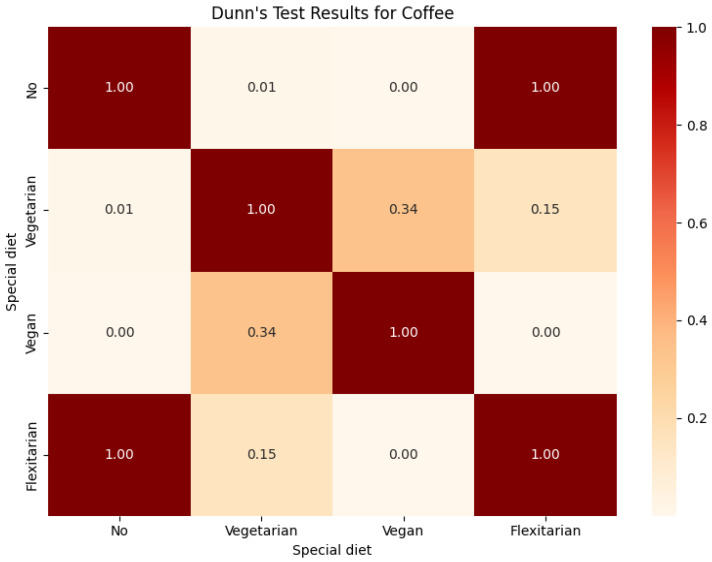
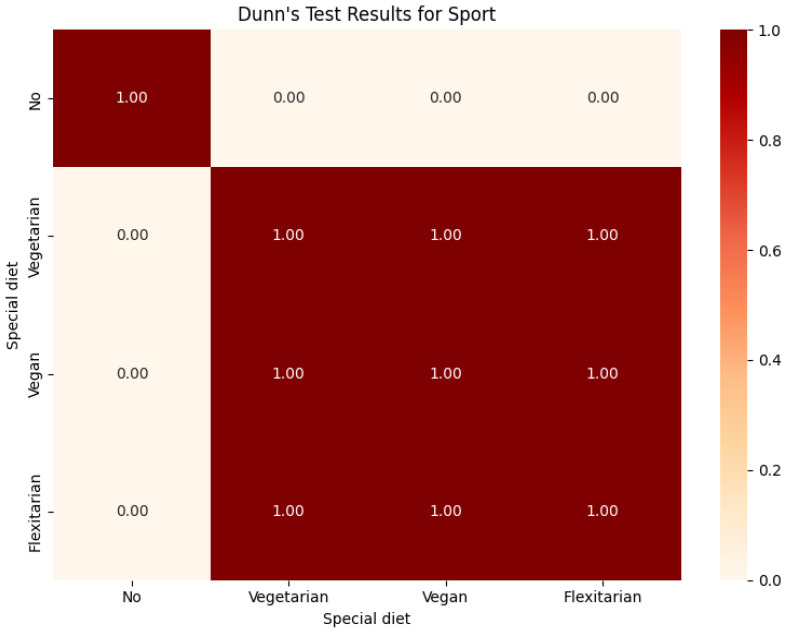
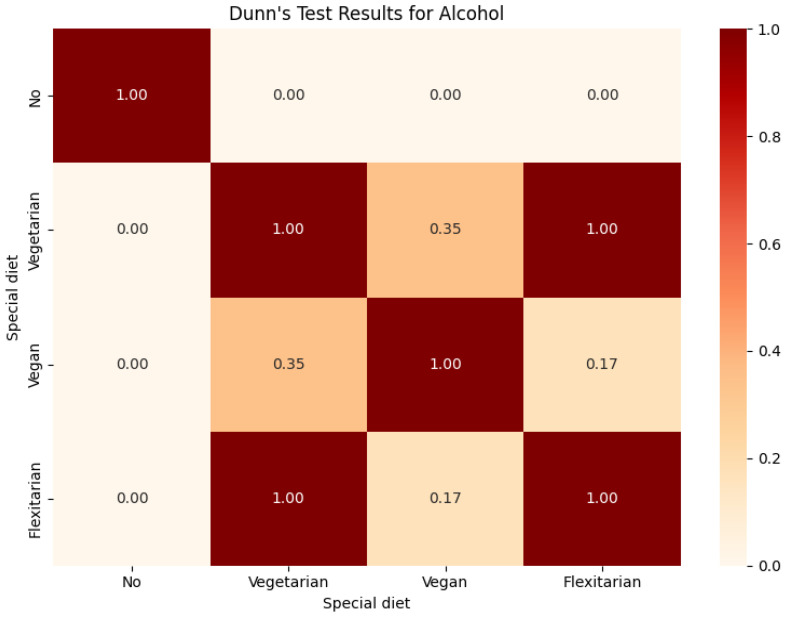
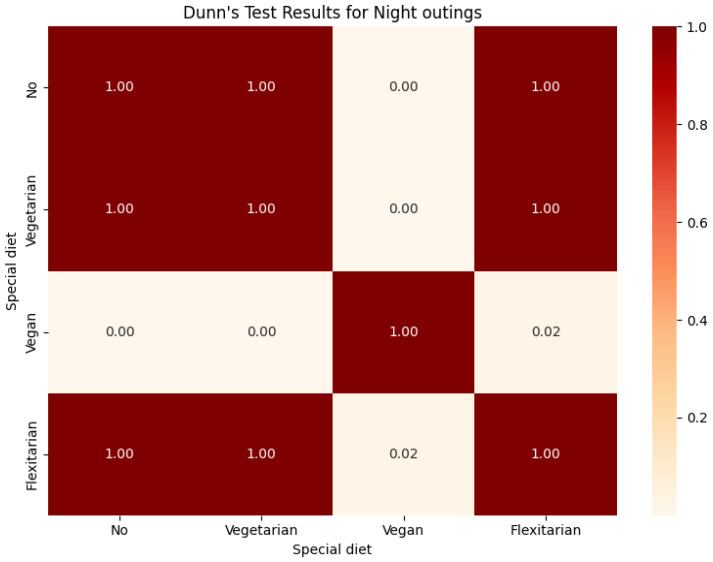
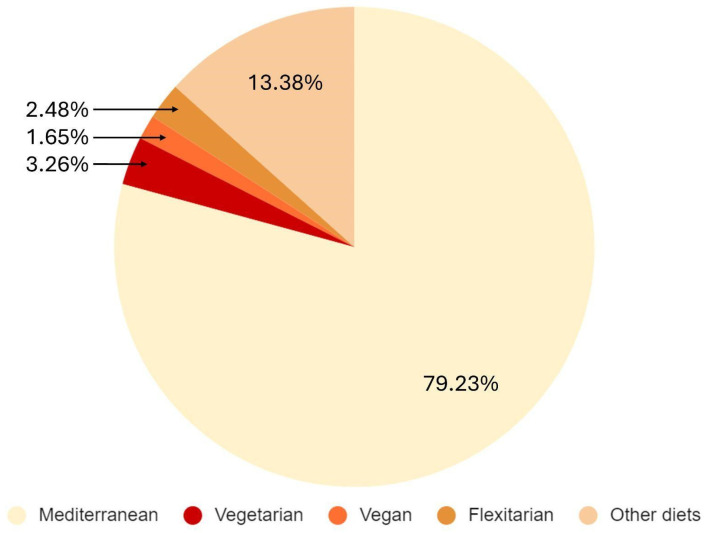
The questionnaire was completed by 22,181 Spanish citizens, of whom only 19,211 were of interest to the study. The socio-demographic variables gender, age, educational level, income level, and place of residence do not seem to influence the prevalence of a plant-based diet ( 1638) compared to a Mediterranean diet ( 17,573). People following a vegetarian or vegan diet have a lower BMI, and they consume less fried food, fast food, and ultra-processed dishes and fewer energy drinks or sugary beverages. They also do more exercise and sleep longer hours, smoke less, and consume alcohol less frequently. However, there seem to be more diagnosed eating disorders among people who follow a plant-based diet than those who follow a Mediterranean diet.
People who adopt a plant-based diet tend to exhibit healthier lifestyle patterns and consume fewer foods that are detrimental to their health. However, it is essential for such dietary choices to be supervised by healthcare professionals to mitigate the risk of maladaptive behaviors evolving into eating disorders.
植物性饮食在西班牙人群中越来越普及,逐渐取代了地中海饮食模式。不同的研究已经表明了人们选择坚持这种饮食的动机,还有一些研究强调了这种饮食模式的一些健康优势和劣势。
需要进一步的研究来确定影响选择植物性饮食的社会人口学决定因素,并研究饮食模式的选择与人群健康和生活方式习惯之间的关系。
对西班牙人群进行了一项描述性、横断面研究。研究团队开发并验证了 NutSo-HH 问卷,通过非概率雪球抽样收集社会人口学、营养、社会和生活方式信息。
共有 22181 名西班牙公民完成了问卷,其中只有 19211 人符合研究要求。社会人口学变量(性别、年龄、教育水平、收入水平和居住地)似乎并不影响植物性饮食(1638 人)的流行率,而地中海饮食(17573 人)的流行率则不受影响。素食或纯素食者的 BMI 较低,他们食用较少的油炸食品、快餐和超加工食品,以及较少的能量饮料或含糖饮料。他们也会进行更多的运动,睡眠时间更长,吸烟更少,饮酒也更不频繁。然而,与遵循地中海饮食的人相比,遵循植物性饮食的人似乎更容易被诊断出饮食障碍。
采用植物性饮食的人往往表现出更健康的生活方式,并且食用更少对健康有害的食物。然而,对于这种饮食选择,有必要由医疗保健专业人员进行监督,以减轻不良行为演变成饮食障碍的风险。