Zhou Longfei, Miller Jenna, Vezza Jeremiah, Mayster Maksim, Raffay Muhammad, Justice Quentin, Al Tamimi Zainab, Hansotte Gavyn, Sunkara Lavanya Devi, Bernat Jessica
Department of Biomedical, Industrial and Systems Engineering, School of Engineering and Computing, College of Engineering and Business, Gannon University, Erie, PA 16541, USA.
Sensors (Basel). 2024 Apr 23;24(9):2668. doi: 10.3390/s24092668.
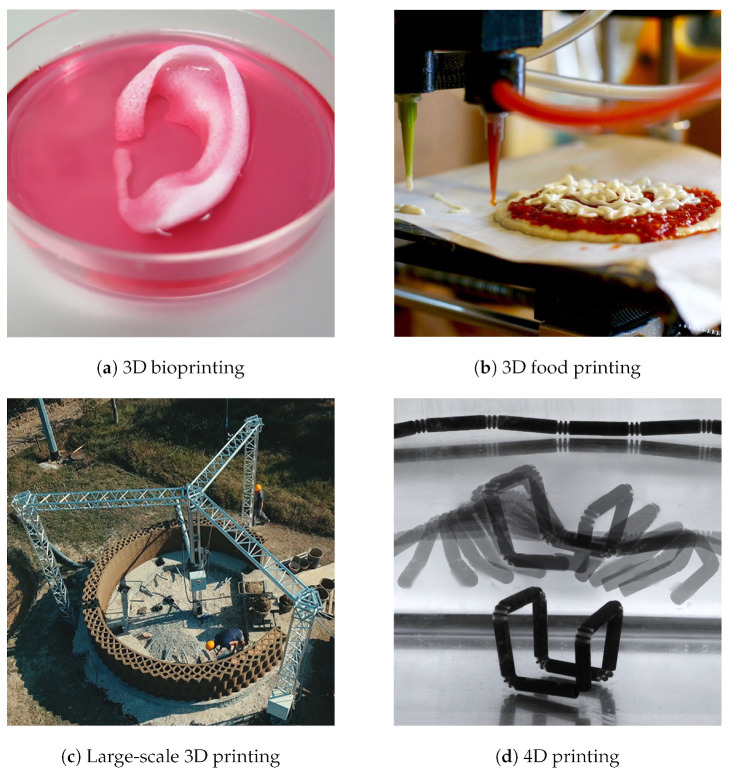
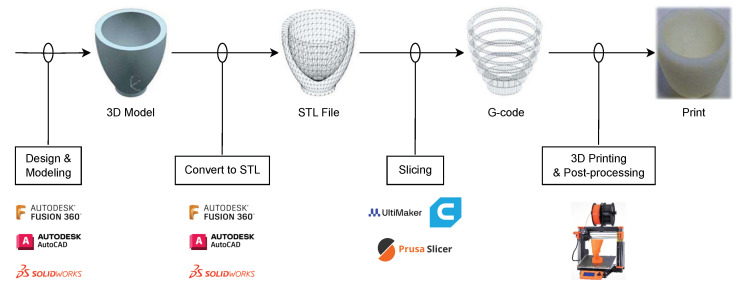
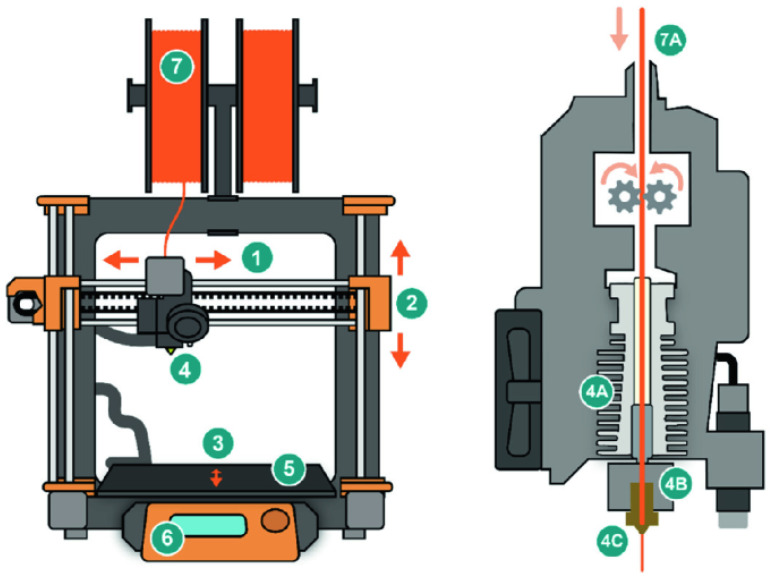
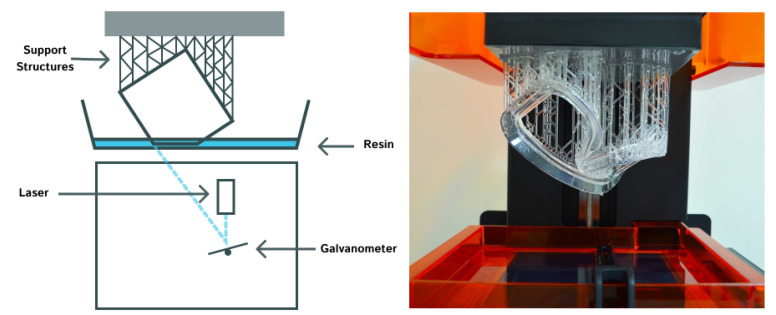
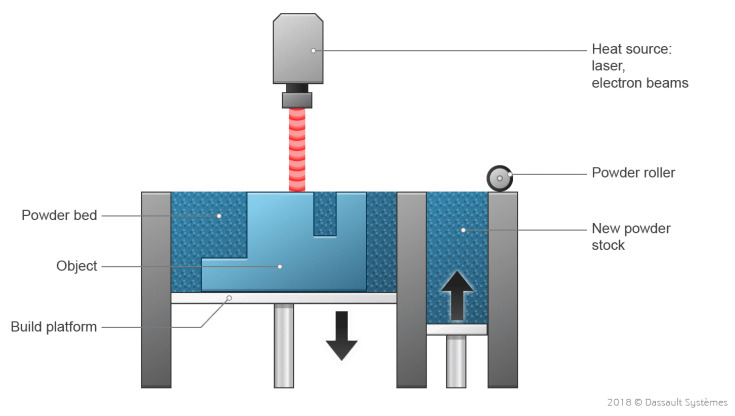
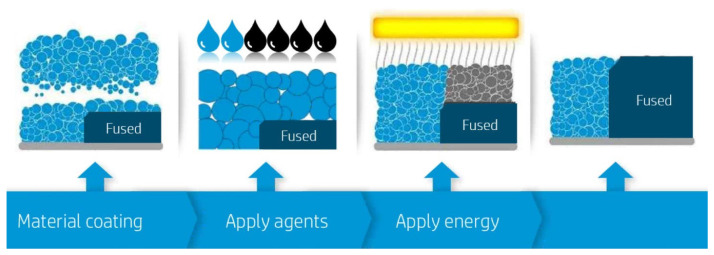
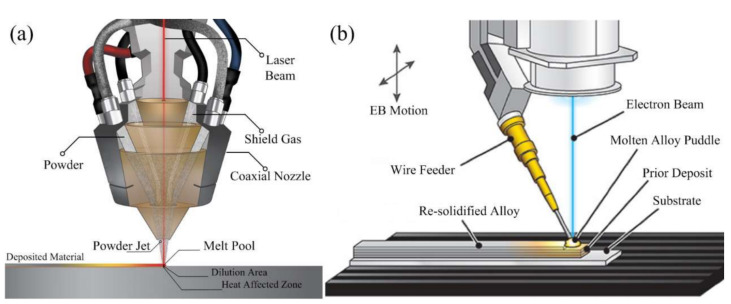
Additive manufacturing has revolutionized manufacturing across a spectrum of industries by enabling the production of complex geometries with unparalleled customization and reduced waste. Beginning as a rapid prototyping tool, additive manufacturing has matured into a comprehensive manufacturing solution, embracing a wide range of materials, such as polymers, metals, ceramics, and composites. This paper delves into the workflow of additive manufacturing, encompassing design, modeling, slicing, printing, and post-processing. Various additive manufacturing technologies are explored, including material extrusion, VAT polymerization, material jetting, binder jetting, selective laser sintering, selective laser melting, direct metal laser sintering, electron beam melting, multi-jet fusion, direct energy deposition, carbon fiber reinforced, laminated object manufacturing, and more, discussing their principles, advantages, disadvantages, material compatibilities, applications, and developing trends. Additionally, the future of additive manufacturing is projected, highlighting potential advancements in 3D bioprinting, 3D food printing, large-scale 3D printing, 4D printing, and AI-based additive manufacturing. This comprehensive survey aims to underscore the transformative impact of additive manufacturing on global manufacturing, emphasizing ongoing challenges and the promising horizon of innovations that could further elevate its role in the manufacturing revolution.
增材制造通过实现具有无与伦比的定制性且减少浪费的复杂几何形状的生产,彻底改变了一系列行业的制造方式。从作为一种快速成型工具起步,增材制造已发展成为一种全面的制造解决方案,涵盖了多种材料,如聚合物、金属、陶瓷和复合材料。本文深入探讨了增材制造的工作流程,包括设计、建模、切片、打印和后处理。研究了各种增材制造技术,包括材料挤出、光聚合、材料喷射、粘结剂喷射、选择性激光烧结、选择性激光熔化、直接金属激光烧结、电子束熔化、多射流熔融、直接能量沉积、碳纤维增强、分层实体制造等等,讨论了它们的原理、优点、缺点、材料兼容性、应用和发展趋势。此外,还预测了增材制造的未来,突出了3D生物打印、3D食品打印、大规模3D打印、4D打印和基于人工智能的增材制造等方面的潜在进展。这项全面的调查旨在强调增材制造对全球制造业的变革性影响,强调当前面临的挑战以及有望进一步提升其在制造革命中作用的创新前景。