Silva Éder Bruno Rebelo da, Silva Jamile Andréa Rodrigues da, Silva Welligton Conceição da, Belo Tatiane Silva, Sousa Carlos Eduardo Lima, Santos Maria Roseane Pereira Dos, Neves Kedson Alessandri Lobo, Rodrigues Thomaz Cyro Guimarães de Carvalho, Camargo-Júnior Raimundo Nonato Colares, Lourenço-Júnior José de Brito
Postgraduate Program in Animal Science (PPGCAN), Institute of Veterinary Medicine, Federal University of Para (UFPA), Castanhal 68746-360, Brazil.
Institute of Animal Health and Production, Federal Rural University of the Amazônia (UFRA), Belem 66077-830, Brazil.
Animals (Basel). 2024 May 13;14(10):1448. doi: 10.3390/ani14101448.
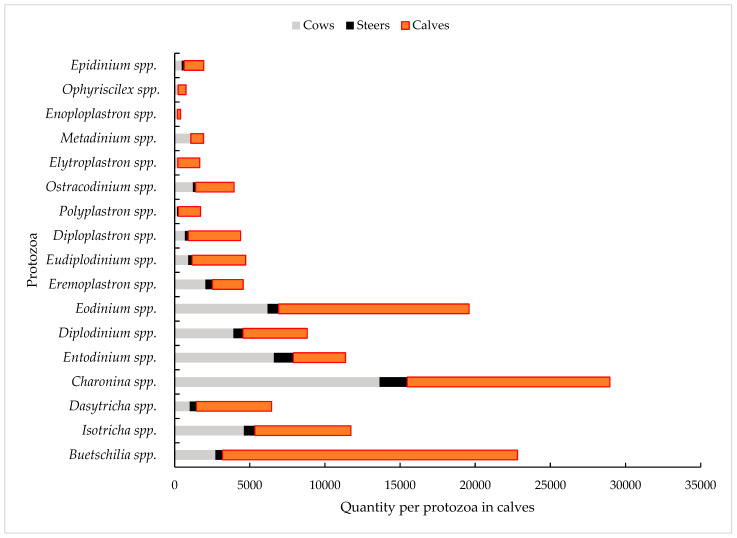
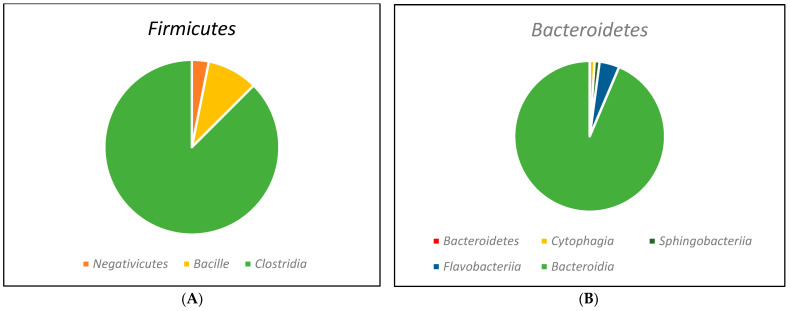
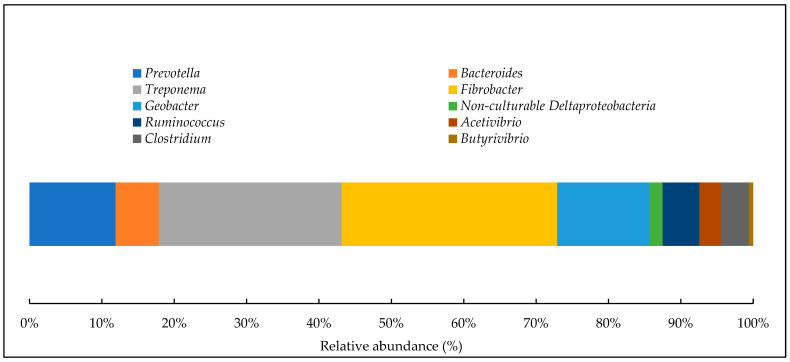
Variations in environments, including climate, diet, and agricultural practices, significantly impact the composition and microbial activity. A profound understanding of these adaptations allows for the improvement of nutrition and ruminant production. Therefore, this review aims to compile data from the literature on the rumen microbiota and molecular techniques for identifying the different types of microorganisms from the rumen fluid of ruminants. Analyzing the literature on rumen microbiology in different ruminants is complex due to microbial interactions, influenced by the environment and nutrition of these animals. In addition, it is worth noting that the genera of protozoa and fungi most evident in the studies used in this review on the microbiology of rumen fluid were spp. and spp., respectively, and spp. for bacteria. About the techniques used, it can be seen that DNA extraction, amplification, and sequencing were the most cited in the studies evaluated. Therefore, this review describes what is present in the literature and provides an overview of the main microbial agents in the rumen and the molecular techniques used.
环境的变化,包括气候、饮食和农业实践,会对瘤胃的组成和微生物活性产生重大影响。深入了解这些适应性变化有助于改善营养状况和反刍动物生产。因此,本综述旨在汇集文献中有关瘤胃微生物群以及用于从反刍动物瘤胃液中鉴定不同类型微生物的分子技术的数据。由于微生物之间的相互作用受到这些动物的环境和营养的影响,分析不同反刍动物瘤胃微生物学的文献较为复杂。此外,值得注意的是,在本综述中用于瘤胃液微生物学研究中最明显的原生动物和真菌属分别是 spp. 和 spp.,细菌属为 spp.。关于所使用的技术,可以看出在评估的研究中,DNA提取、扩增和测序被引用得最多。因此,本综述描述了文献中的内容,并概述了瘤胃中的主要微生物以及所使用的分子技术。