Public Health Foundation of India, New Delhi, India.
Country Office for India, World Health Organization, New Delhi, India.
Bull World Health Organ. 2024 Jun 1;102(6):421-431. doi: 10.2471/BLT.23.290396. Epub 2024 Mar 27.
To identify literature on health literacy levels and examine its association with tuberculosis treatment adherence and treatment outcomes.
Two authors independently searched Pubmed®, Embase, CINAHL, PsycINFO, Scopus, LILACS, Global Health Medicus and ScienceDirect for articles reporting on health literacy levels and tuberculosis that were published between January 2000 and September 2023. We defined limited health literacy as a person's inability to understand, process, and make decisions from information obtained concerning their own health. Methodological quality and the risk of bias was assessed using the JBI critical appraisal tools. We used a random effects model to assess the pooled proportion of limited health literacy, the association between health literacy and treatment adherence, and the relationship between health literacy and tuberculosis-related knowledge.
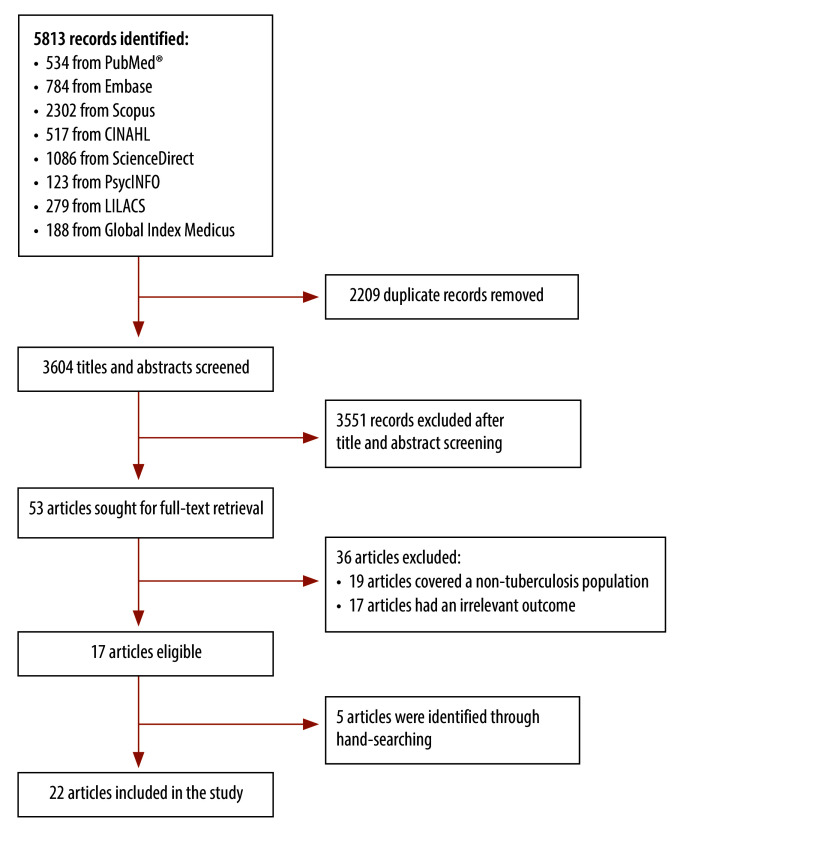
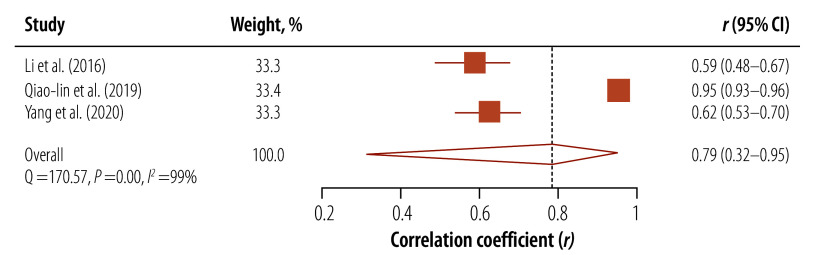
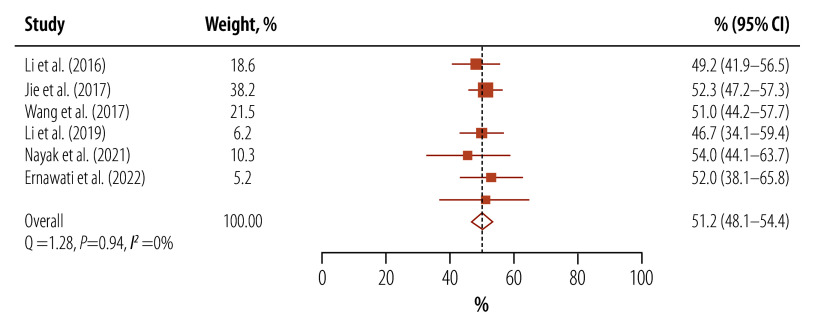
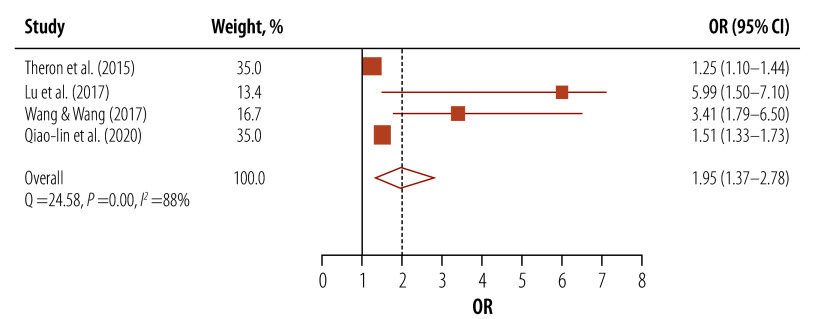
Among 5813 records reviewed, 22 studies met the inclusion criteria. The meta-analysis revealed that 51.2% (95% confidence interval, CI: 48.0-54.3) of tuberculosis patients exhibit limited health literacy. Based on four studies, patients with lower health literacy levels were less likely to adhere to tuberculosis treatment regimens (pooled odds ratio: 1.95; 95% CI: 1.37-2.78). Three studies showed a significant relationship between low health literacy and inadequate knowledge about tuberculosis (pooled correlation coefficient: 0.79; 95% CI: 0.32-0.94).
Health literacy is associated with tuberculosis treatment adherence and care quality. Lower health literacy might hamper patients' ability to follow treatment protocols. Improving health literacy is crucial for enhancing treatment outcomes and is a key strategy in the fight against tuberculosis.
确定有关健康素养水平的文献,并探讨其与结核病治疗依从性和治疗结局的关系。
两位作者独立检索了 Pubmed®、Embase、CINAHL、PsycINFO、Scopus、LILACS、Global Health Medicus 和 ScienceDirect,以获取 2000 年 1 月至 2023 年 9 月期间发表的关于健康素养水平和结核病的文章。我们将有限的健康素养定义为一个人无法理解、处理和根据有关自身健康的信息做出决策的能力。使用 JBI 批判性评估工具评估方法学质量和偏倚风险。我们使用随机效应模型评估有限健康素养的综合比例、健康素养与治疗依从性之间的关联以及健康素养与结核病相关知识之间的关系。
在审查的 5813 份记录中,有 22 项研究符合纳入标准。荟萃分析显示,51.2%(95%置信区间,CI:48.0-54.3)的结核病患者存在有限的健康素养。基于四项研究,健康素养水平较低的患者不太可能遵守结核病治疗方案(综合优势比:1.95;95%CI:1.37-2.78)。三项研究表明,低健康素养与结核病知识不足之间存在显著关系(综合相关系数:0.79;95%CI:0.32-0.94)。
健康素养与结核病治疗依从性和护理质量有关。较低的健康素养可能会阻碍患者遵循治疗方案的能力。提高健康素养对于改善治疗结果至关重要,是抗击结核病的关键策略。