Du Plessis Lissinda H, Gouws Chrisna, Nieto Daniel
Centre of Excellence for Pharmaceutical Sciences, Faculty of Health Sciences, North-West University, Potchefstroom, South Africa.
Advanced Biofabrication for Tissue and Organ Engineering Group, Interdisciplinary Centre of Chemistry and Biology (CICA), Faculty of Health Sciences, University of Coruña, Campus de A Coruna, Coruna, Spain.
Front Cell Dev Biol. 2024 May 21;12:1391259. doi: 10.3389/fcell.2024.1391259. eCollection 2024.
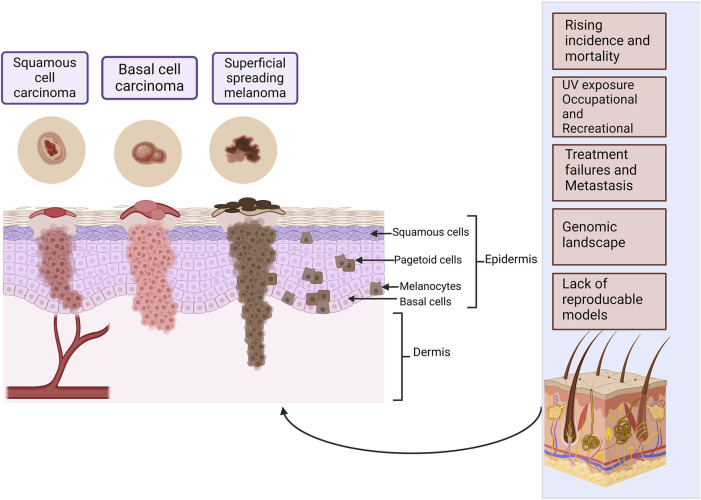
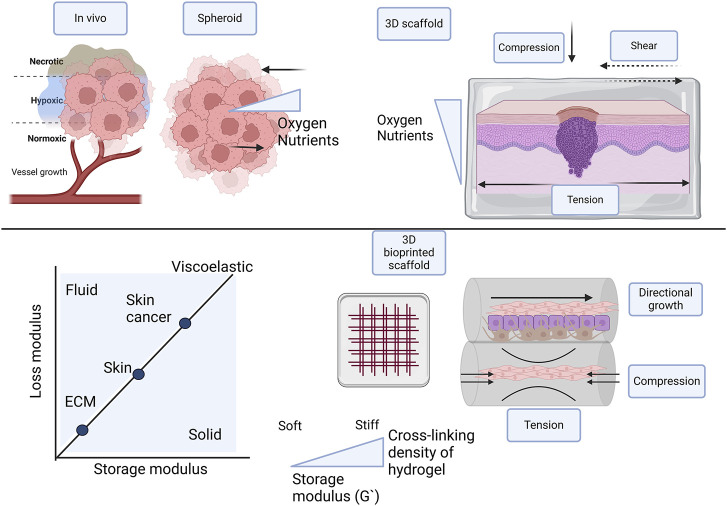
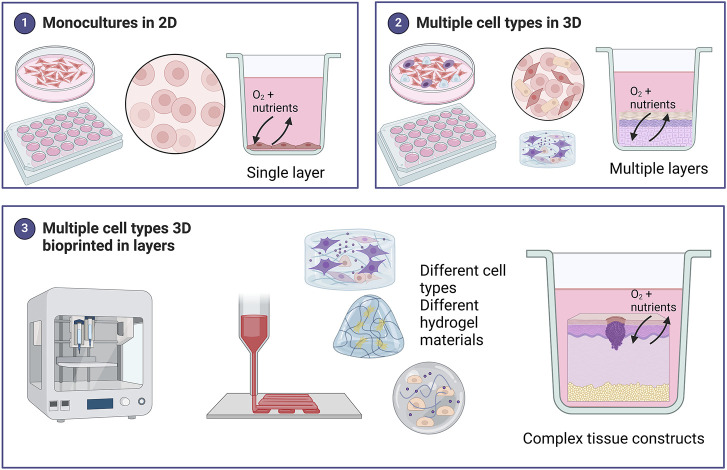
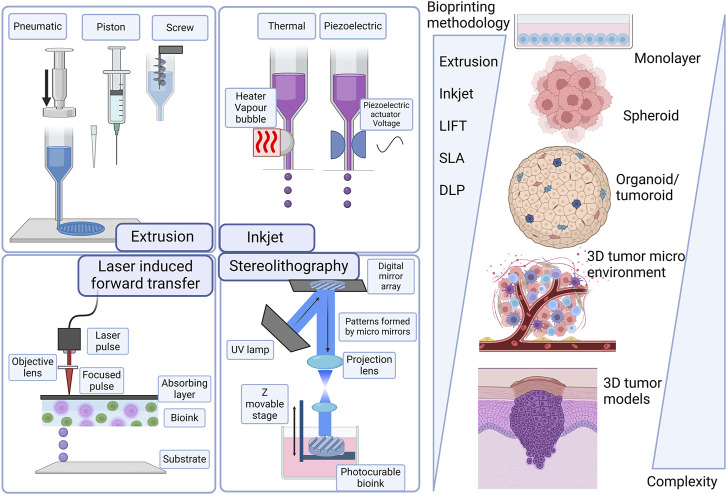
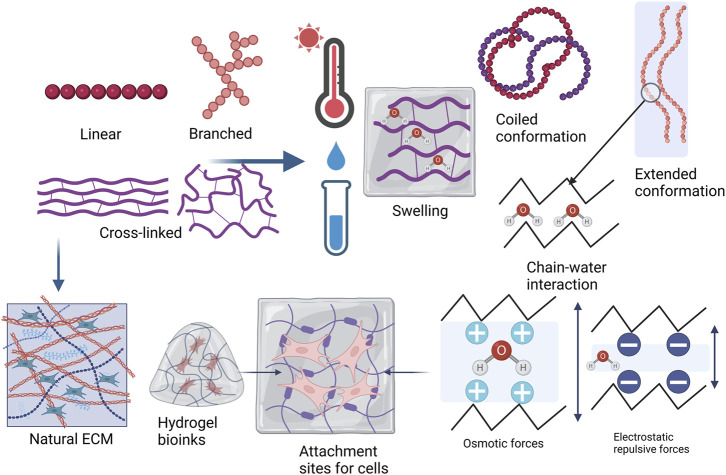
Various three-dimensional (3D) tissue culture models of human and diseased skin exist. Nevertheless, there is still room for the development and improvement of 3D bioprinted skin cancer models. The need for reproducible bioprinting methods, cell samples, biomaterial inks, and bioinks is becoming increasingly important. The influence of the viscosity of hydrogels on the spreading and migration of most types of cancer cells is well studied. There are however limited studies on the influence of viscosity on the spreading and migration of cells in 3D bioprinted skin cancer models. In this review, we will outline the importance of studying the various types of skin cancers by using 3D cell culture models. We will provide an overview of the advantages and disadvantages of the various 3D bioprinting technologies. We will emphasize how the viscosity of hydrogels relates to the spreading and migration of cancer cells. Lastly, we will give an overview of the specific studies on cell migration and spreading in 3D bioprinted skin cancer models.
存在多种人类和病变皮肤的三维(3D)组织培养模型。然而,3D生物打印皮肤癌模型仍有发展和改进的空间。对可重复的生物打印方法、细胞样本、生物材料墨水和生物墨水的需求变得越来越重要。水凝胶粘度对大多数类型癌细胞的扩散和迁移的影响已得到充分研究。然而,关于粘度对3D生物打印皮肤癌模型中细胞扩散和迁移的影响的研究有限。在这篇综述中,我们将概述使用3D细胞培养模型研究各种类型皮肤癌的重要性。我们将概述各种3D生物打印技术的优缺点。我们将强调水凝胶的粘度与癌细胞的扩散和迁移之间的关系。最后,我们将概述关于3D生物打印皮肤癌模型中细胞迁移和扩散的具体研究。