Shenzhen-Hong Kong Institute of Brain Science, Shenzhen Institute of Advanced Technology, Chinese Academy of Sciences, Shenzhen, Guangdong 518000, China.
CAS Key Laboratory of Brain Connectome and Manipulation, the Brain Cognition and Brain Disease Institute, Shenzhen Institute of Advanced Technology, Chinese Academy of Sciences, Shenzhen, Guangdong 518000, China.
Zool Res. 2024 Jul 18;45(4):805-820. doi: 10.24272/j.issn.2095-8137.2024.038.
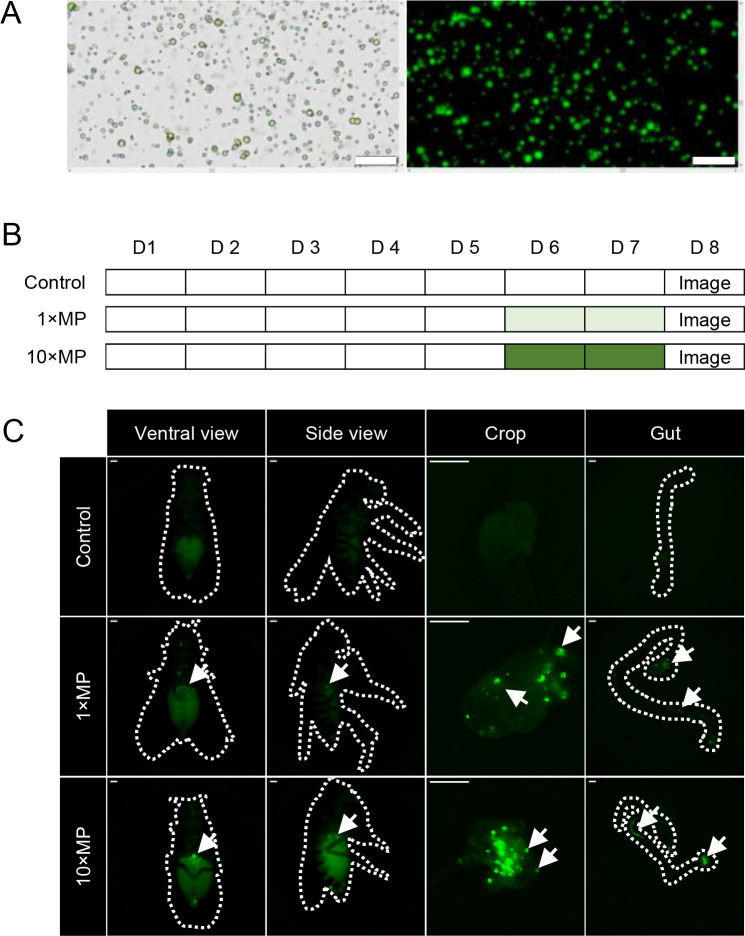
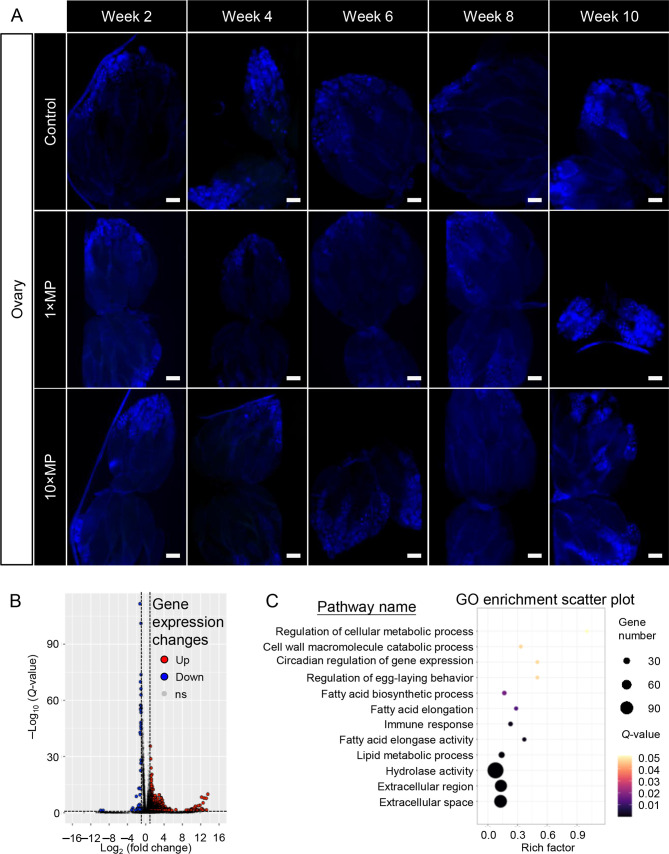
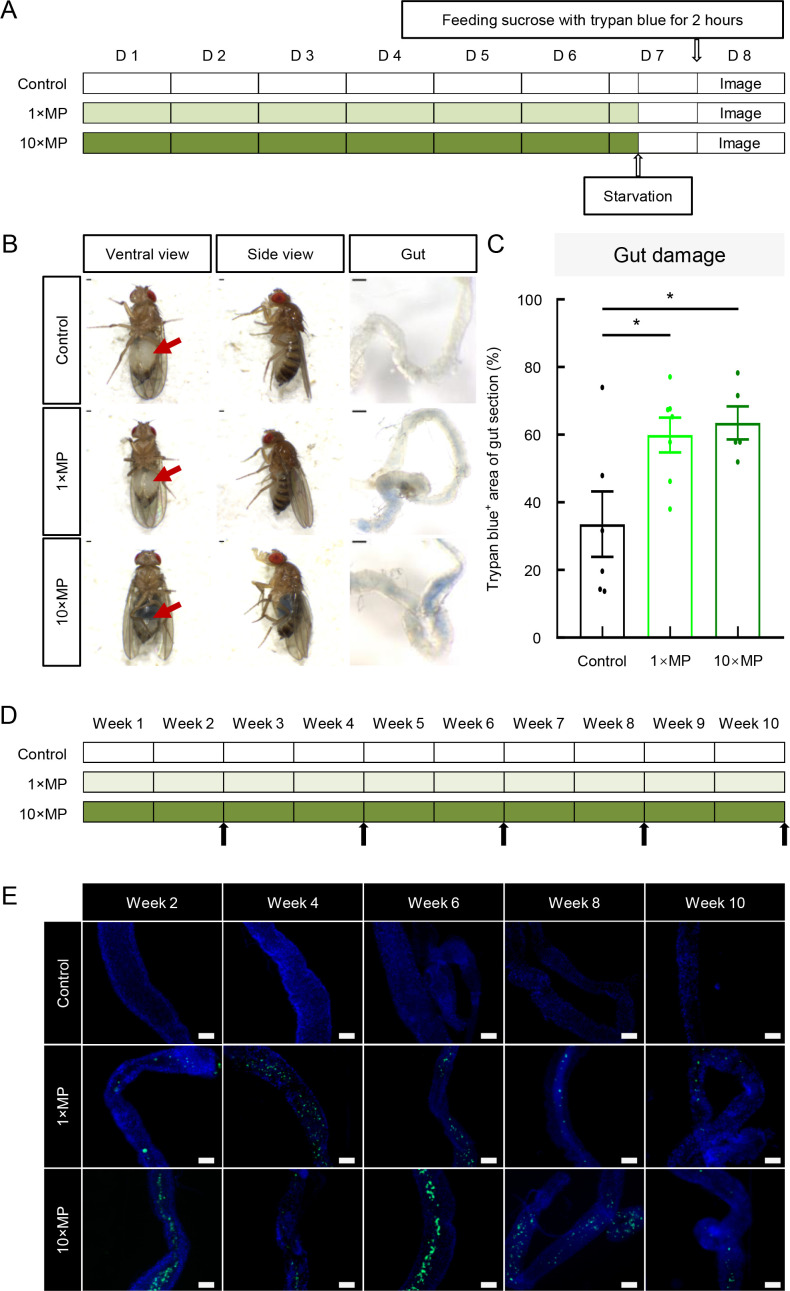
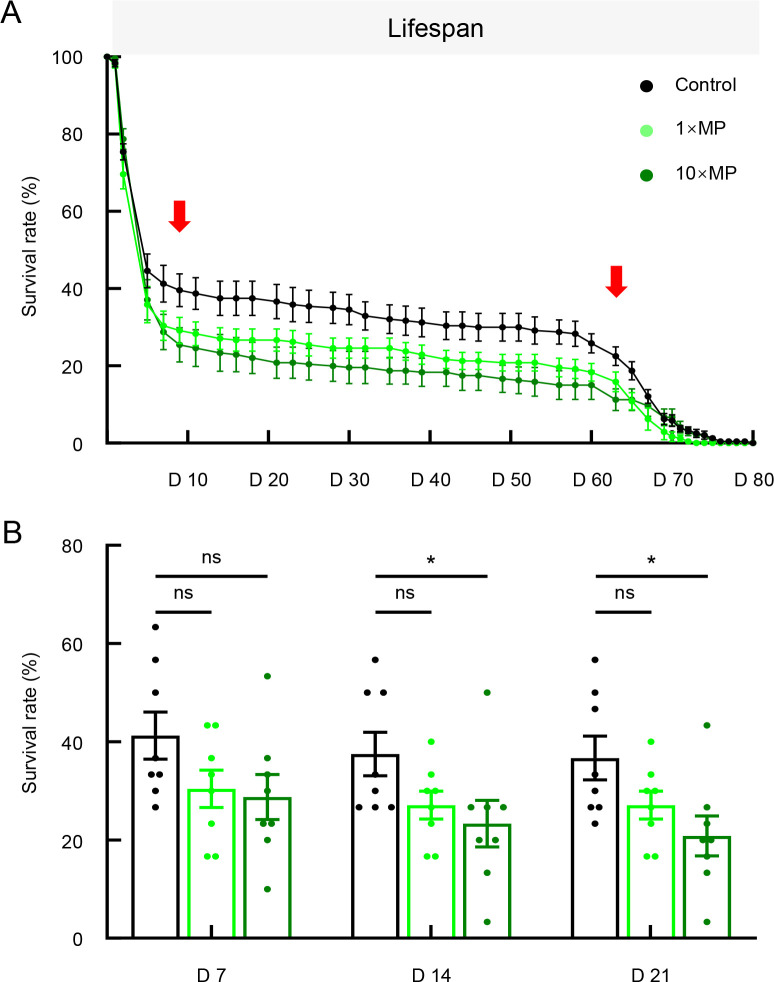
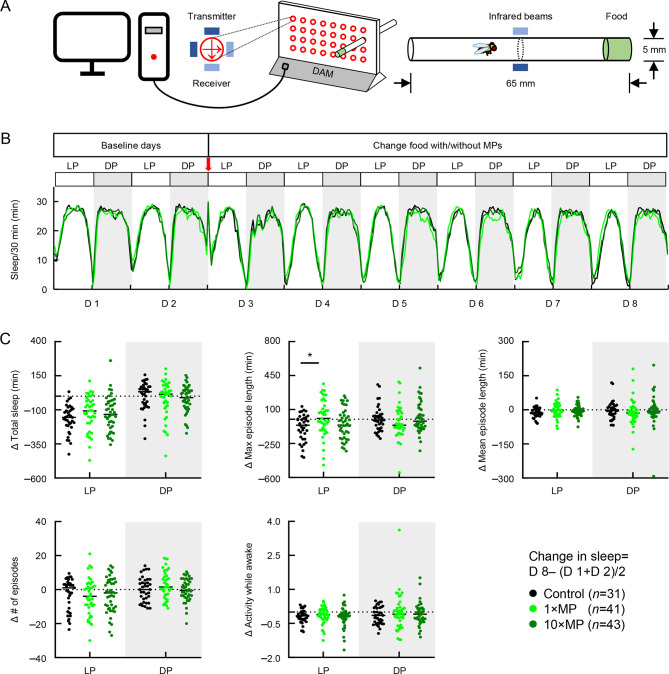
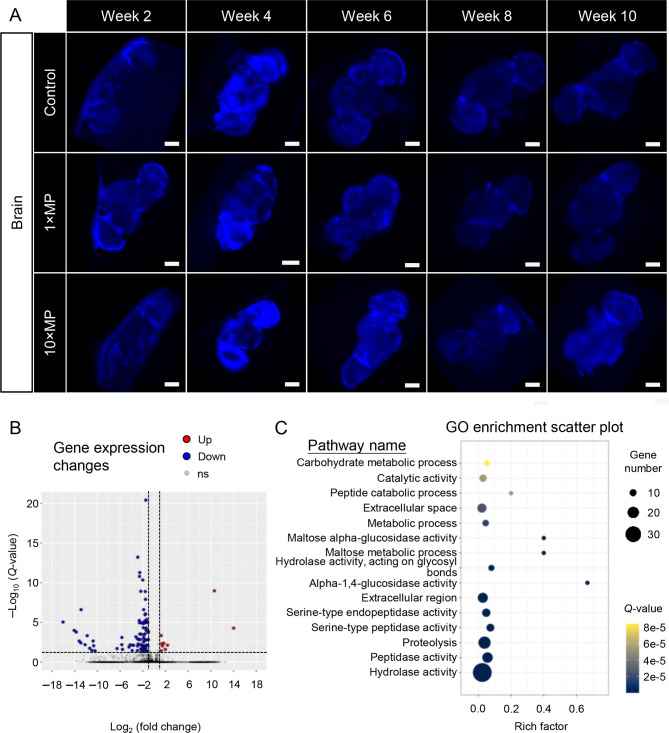
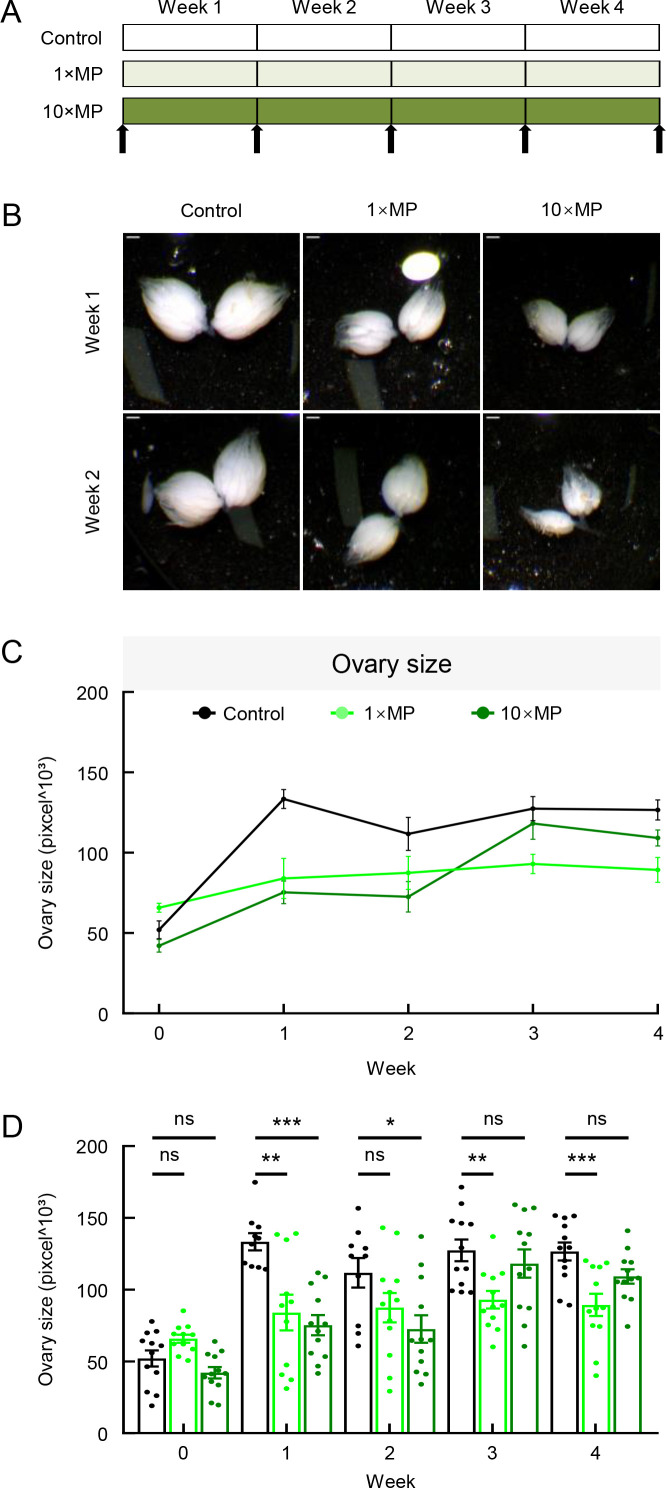
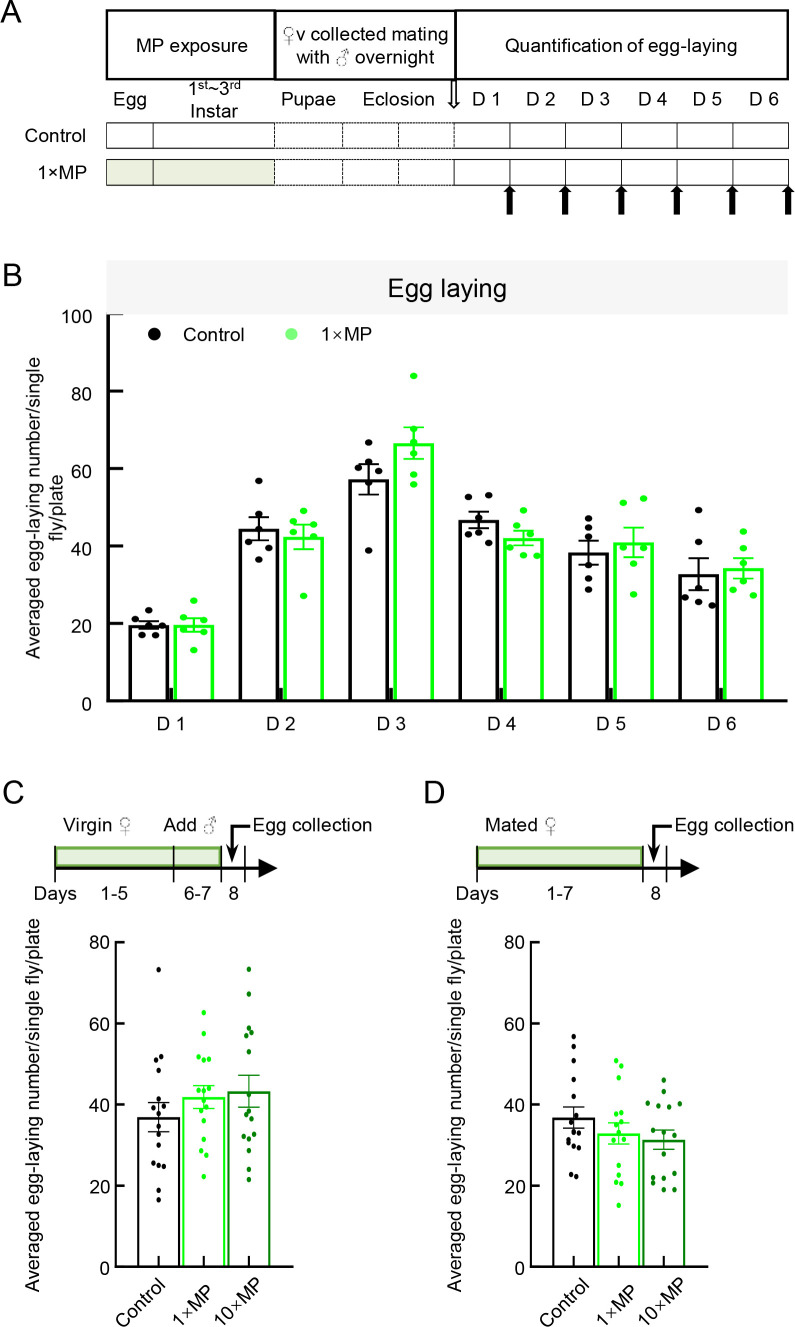
The organ-specific toxicity resulting from microplastic (MP) exposure has been extensively explored, particularly concerning the gut, liver, testis, and lung. However, under natural conditions, these effects are not restricted to specific organs or tissues. Investigating whether MP exposure presents a systemic threat to an entire organism, impacting factors such as lifespan, sleep, and fecundity, is essential. In this study, we investigated the effects of dietary exposure to two different doses of MPs (1-5 μm) using the terrestrial model organism . Results indicated that the particles caused gut damage and remained within the digestive system. Continuous MP exposure significantly shortened the lifespan of adult flies. Even short-term exposure disrupted sleep patterns, increasing the length of daytime sleep episodes. Additionally, one week of MP exposure reduced ovary size, with a trend towards decreased egg-laying in mated females. Although MPs did not penetrate the brain or ovaries, transcriptome analysis revealed altered gene expression in these tissues. In the ovary, Gene Ontology (GO) analysis indicated genotoxic effects impacting inflammation, circadian regulation, and metabolic processes, with significant impacts on extracellular structure-related pathways. In the brain, GO analysis identified changes in pathways associated with proteolysis and carbohydrate metabolism. Overall, this study provides compelling evidence of the systemic negative effects of MP exposure, highlighting the urgent need to address and mitigate environmental MP pollution.
微塑料(MP)暴露引起的器官特异性毒性已被广泛研究,特别是针对肠道、肝脏、睾丸和肺。然而,在自然条件下,这些影响不仅限于特定的器官或组织。研究微塑料暴露是否对整个生物体构成系统性威胁,影响因素如寿命、睡眠和繁殖力,是至关重要的。在这项研究中,我们使用陆地模式生物 研究了饮食暴露于两种不同剂量 MPs(1-5 μm)的影响。结果表明,这些颗粒会导致肠道损伤,并在消化系统内残留。连续暴露于 MPs 会显著缩短成年果蝇的寿命。即使是短期暴露也会扰乱睡眠模式,增加白天睡眠时间。此外,一周的 MPs 暴露会导致卵巢缩小,交配后的雌性产卵量减少。尽管 MPs 没有穿透大脑或卵巢,但转录组分析显示这些组织的基因表达发生了改变。在卵巢中,GO 分析表明基因毒性影响了炎症、昼夜节律调节和代谢过程,对与细胞外结构相关的途径有显著影响。在大脑中,GO 分析确定了与蛋白水解和碳水化合物代谢相关的途径的变化。总的来说,这项研究提供了令人信服的证据,证明了 MPs 暴露的系统性负面影响,强调了迫切需要解决和减轻环境中 MPs 污染的问题。