Section for Genetics and Evolutionary Biology, Department of Biosciences, University of Oslo, Oslo, Norway.
Institute for Developmental Genetics and Cluster of Excellence on Plant Sciences, Heinrich Heine University, Düsseldorf, Germany.
Elife. 2024 Jun 18;12:RP87912. doi: 10.7554/eLife.87912.
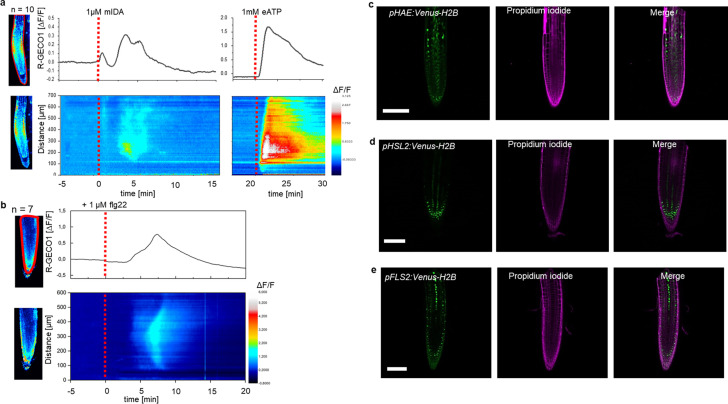
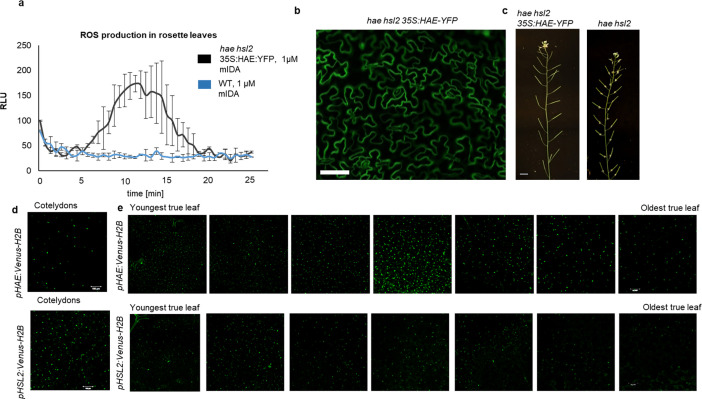
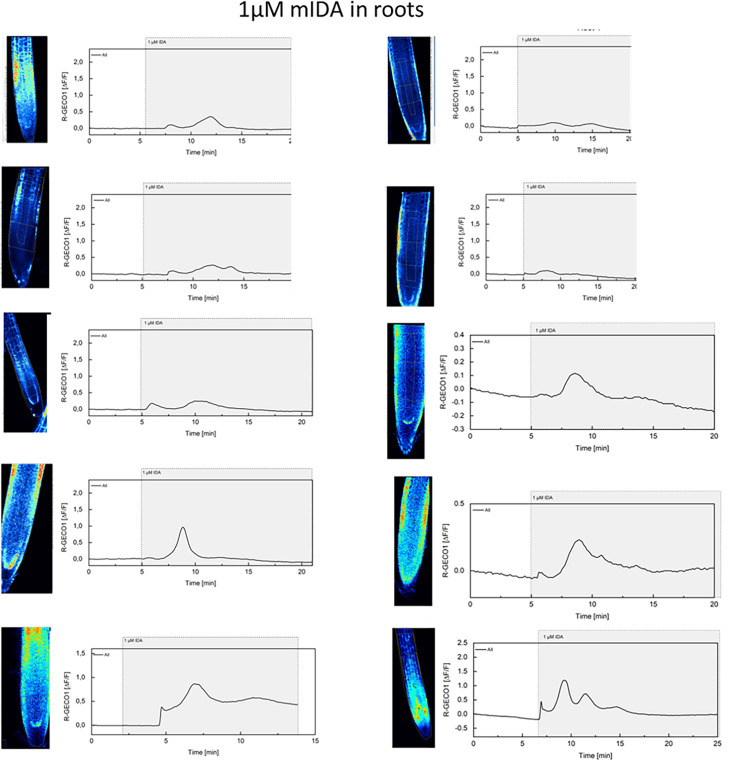
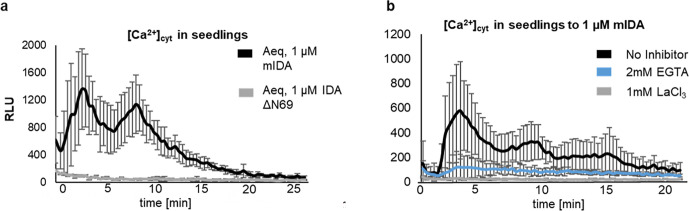
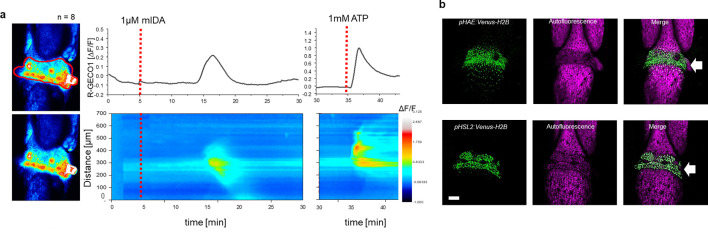
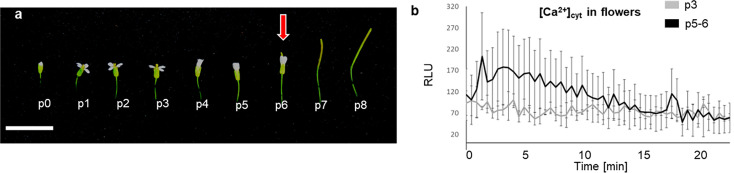
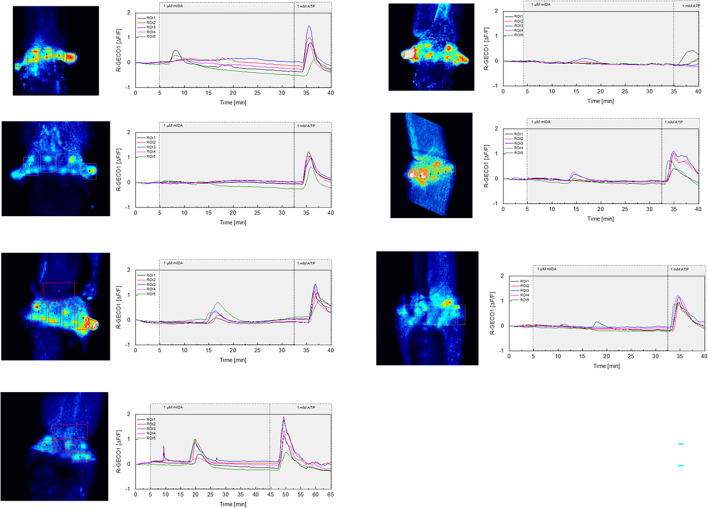
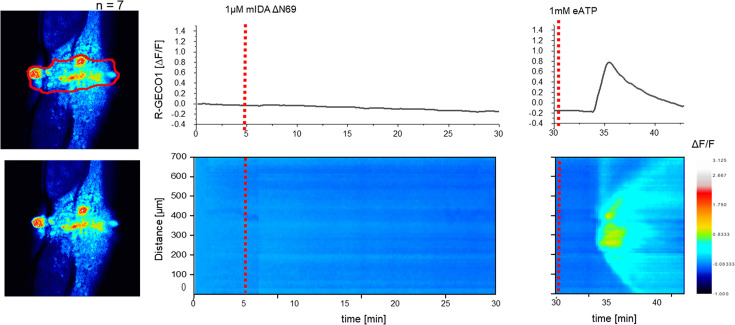
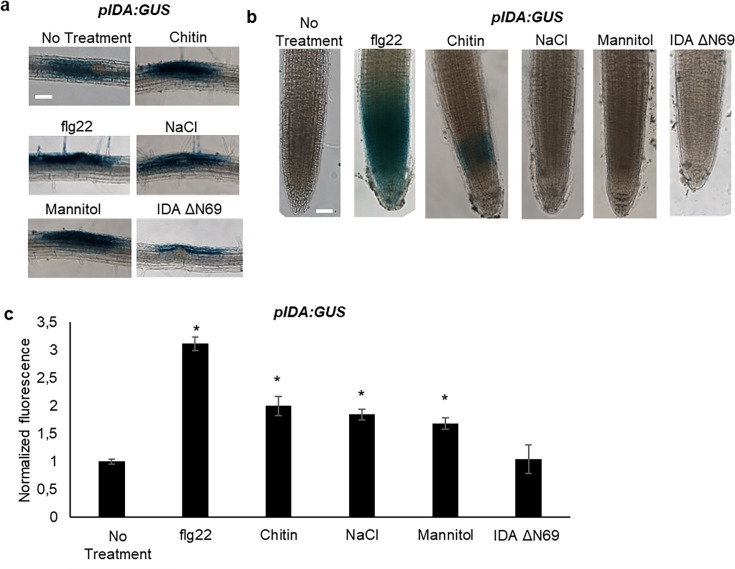
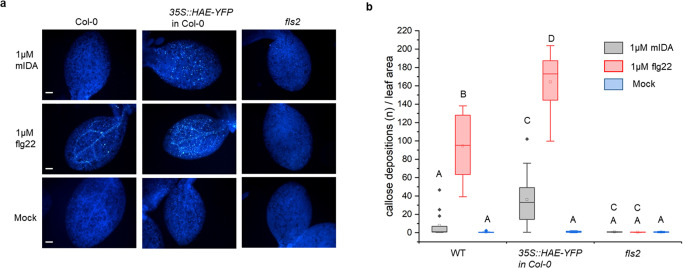
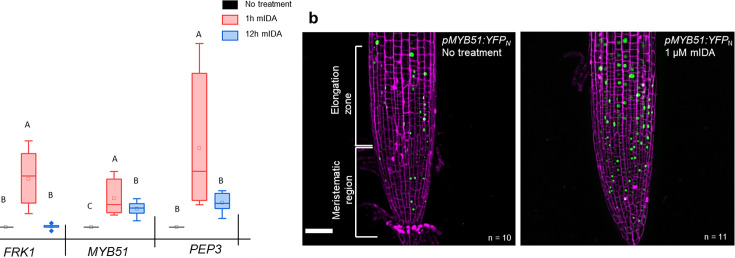
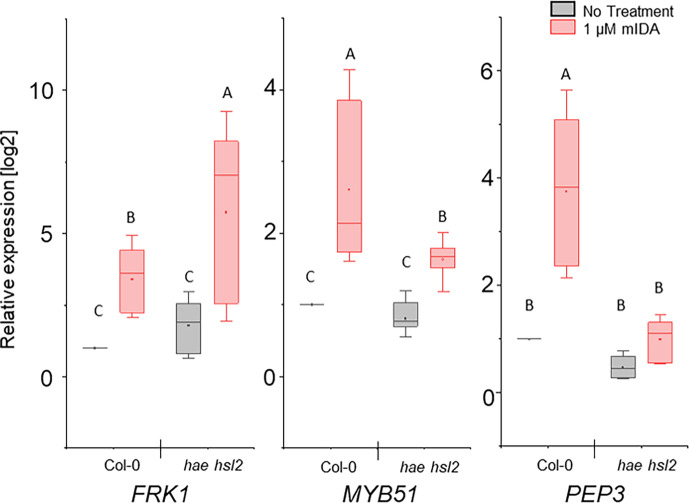
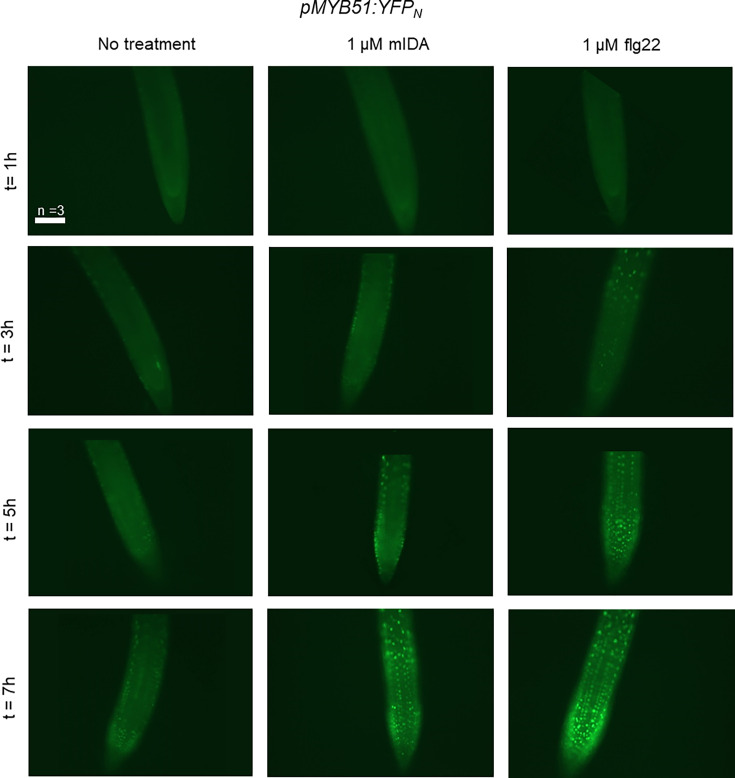
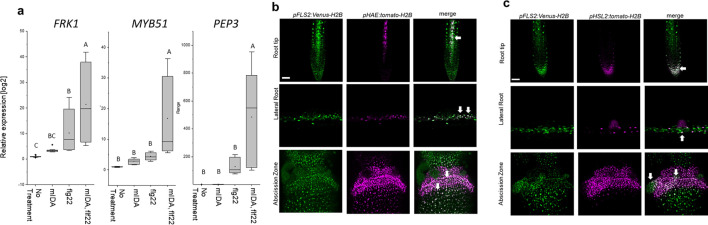
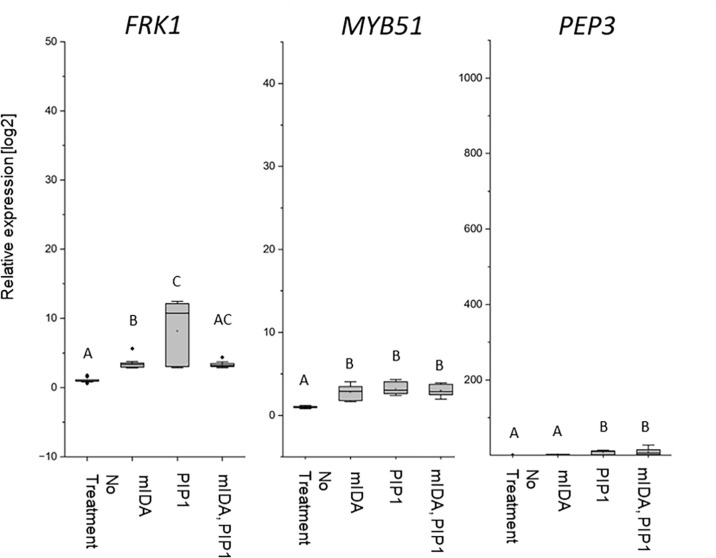
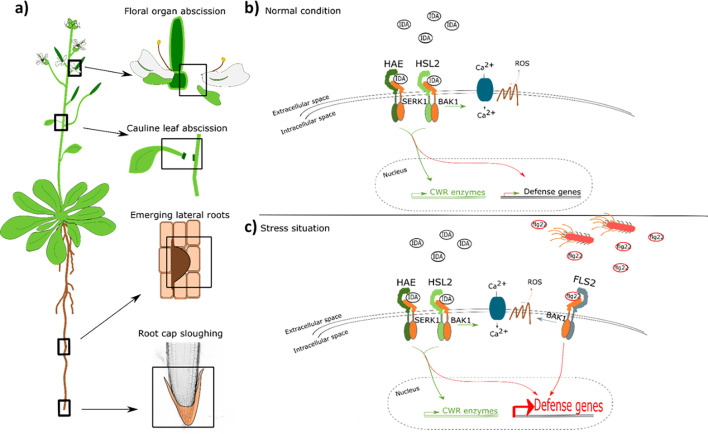
The abscission of floral organs and emergence of lateral roots in is regulated by the peptide ligand inflorescence deficient in abscission (IDA) and the receptor protein kinases HAESA (HAE) and HAESA-like 2 (HSL2). During these cell separation processes, the plant induces defense-associated genes to protect against pathogen invasion. However, the molecular coordination between abscission and immunity has not been thoroughly explored. Here, we show that IDA induces a release of cytosolic calcium ions (Ca) and apoplastic production of reactive oxygen species, which are signatures of early defense responses. In addition, we find that IDA promotes late defense responses by the transcriptional upregulation of genes known to be involved in immunity. When comparing the IDA induced early immune responses to known immune responses, such as those elicited by flagellin22 treatment, we observe both similarities and differences. We propose a molecular mechanism by which IDA promotes signatures of an immune response in cells destined for separation to guard them from pathogen attack.
花器官脱落和侧根的出现受肽配体花序缺陷的脱落(IDA)和受体蛋白激酶 HAESA(HAE)和 HAESA 样 2(HSL2)的调控。在这些细胞分离过程中,植物会诱导防御相关基因以抵御病原体的入侵。然而,脱落和免疫之间的分子协调尚未得到彻底探索。在这里,我们表明 IDA 诱导细胞质钙离子(Ca)的释放和质外体活性氧物质的产生,这是早期防御反应的特征。此外,我们发现 IDA 通过转录上调已知参与免疫的基因来促进晚期防御反应。当将 IDA 诱导的早期免疫反应与已知的免疫反应(如 flagellin22 处理引起的反应)进行比较时,我们观察到既有相似之处也有不同之处。我们提出了一个分子机制,即 IDA 促进了即将分离的细胞中免疫反应的特征,以保护它们免受病原体的攻击。