Fan Qin, Dai Huaxing, Bai Jinyu, Xu Jialu, Ma Qingle, Fei Ziying, Zhou Xiaozhong, Leong Kam W, Wang Chao
Institute of Functional Nano & Soft Materials, Jiangsu Key Laboratory for Carbon-based Functional Materials and Devices, Soochow University, Suzhou 215123, China.
Department of Orthopedics, The Second Affiliated Hospital of Soochow University, Suzhou 215004, China.
Fundam Res. 2021 Nov 25;2(4):648-658. doi: 10.1016/j.fmre.2021.10.007. eCollection 2022 Jul.
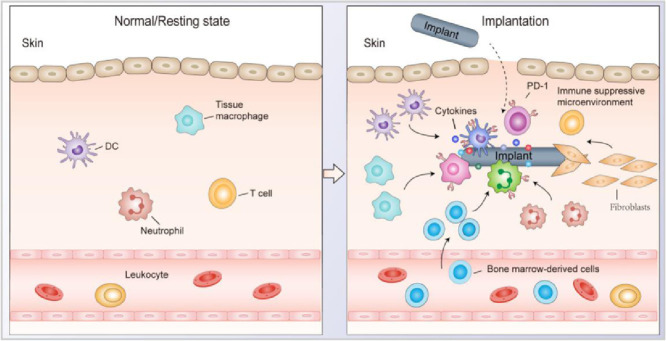
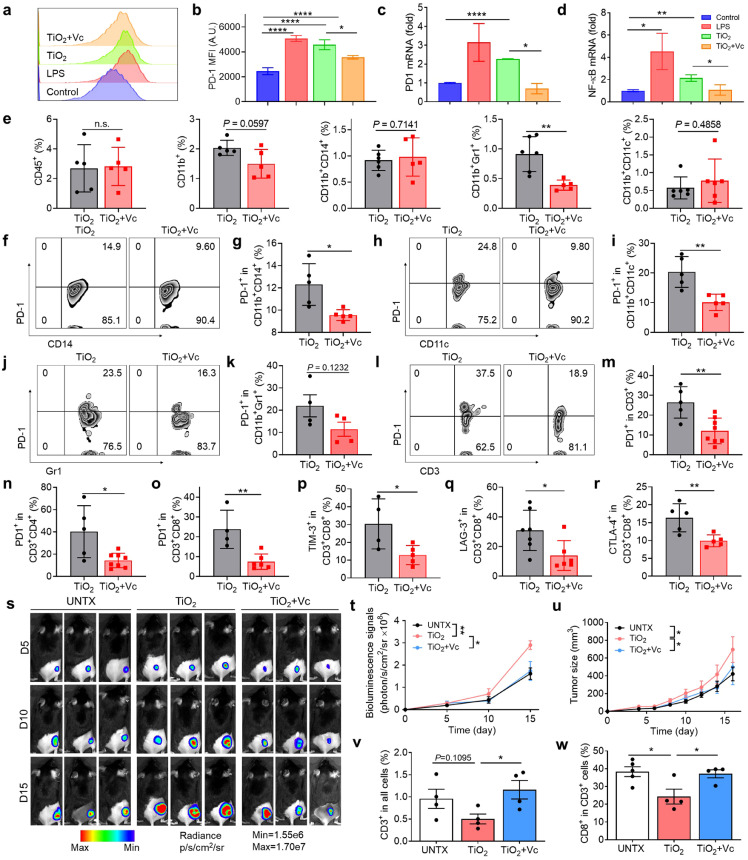
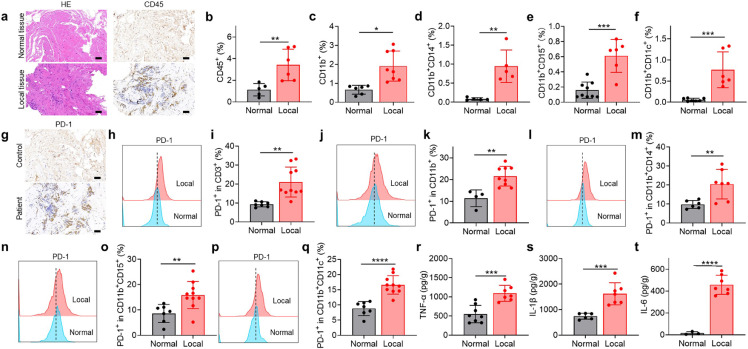
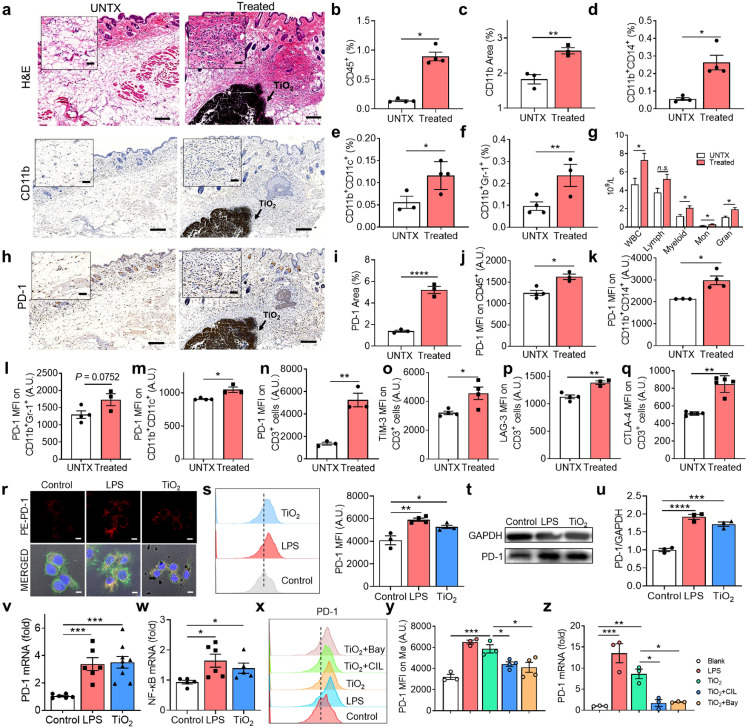
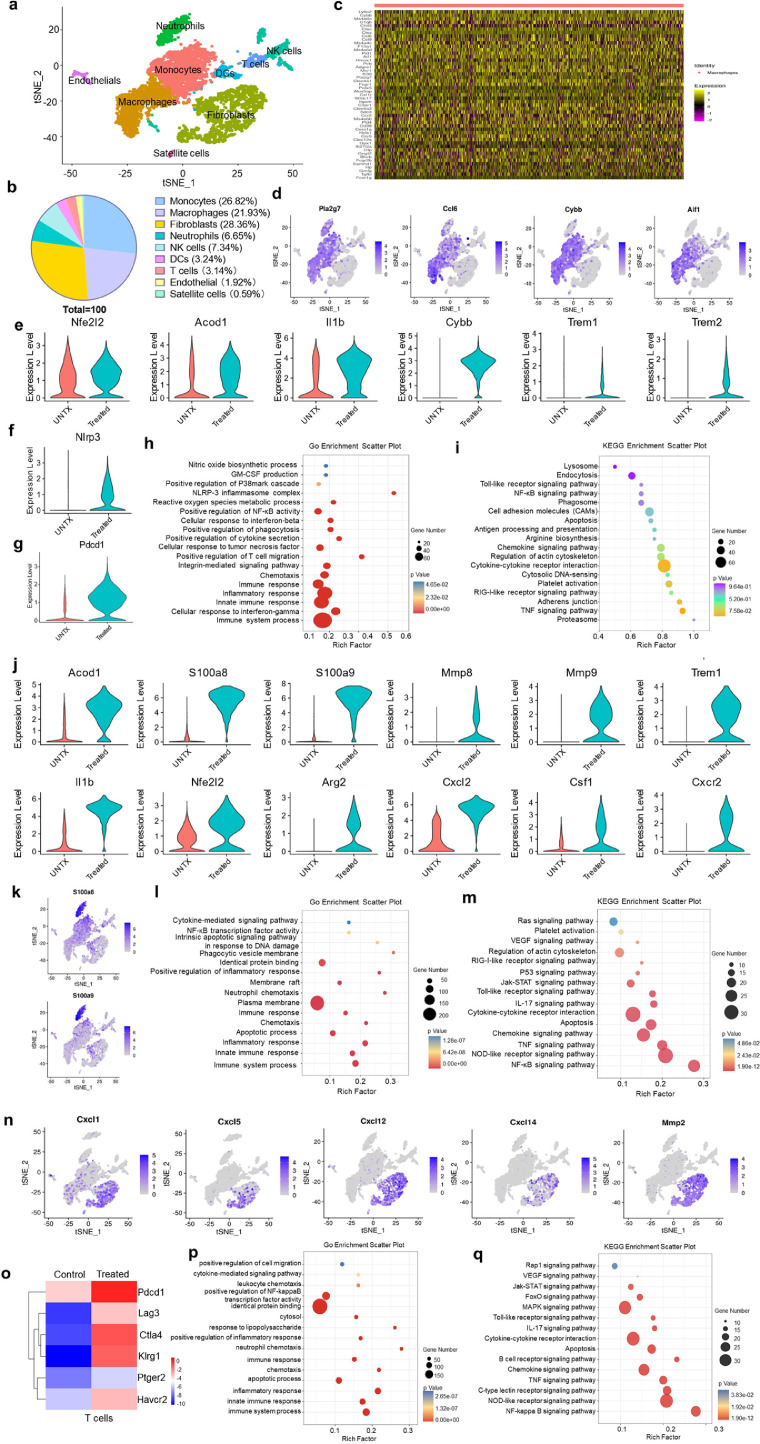
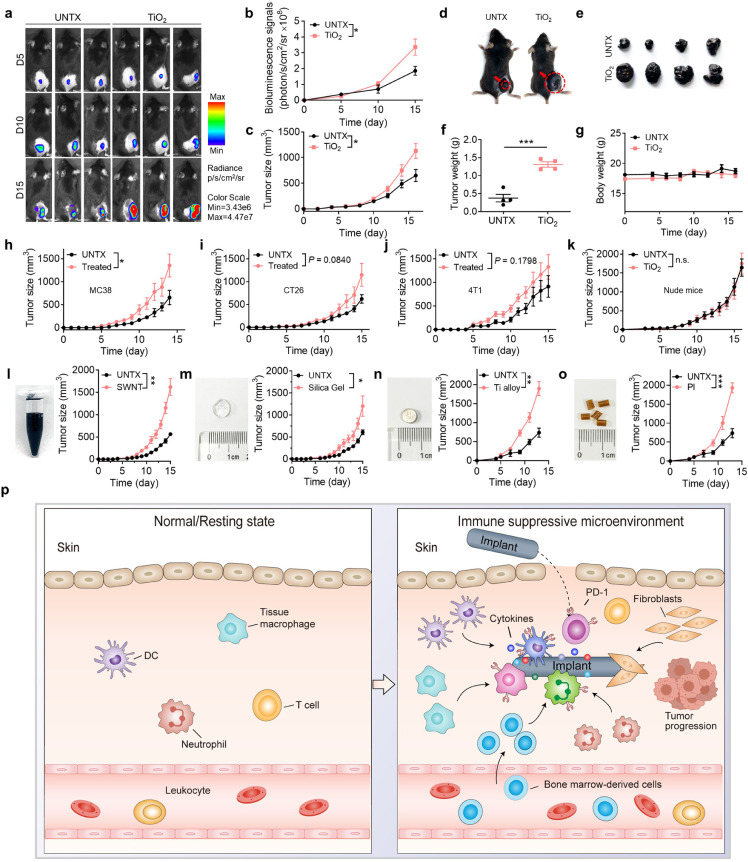
Implanted biomaterials have transformed healthcare and the treatment of injury and disease, but their influence on the local immune landscape remains unclear. Here we discovered that degradation-resistant titanium-based implants establish an immunosuppressive microenvironment by recruiting myeloid cells, including monocytes, macrophages, neutrophils, and myeloid-lineage dendritic cells. Unlike normal tissues, the tissues nearby implants exhibit an chronic inflamed and immunosuppressive status characterised by myeloid-rich, T cell-exhaustion gene signature by single-cell RNA sequencing. Vitamin C treatment provides an effective strategy to rescue the immunosuppressive microenvironment, which can be used as a regular supplement to reduce the risk of malignant cell survival around the implants.
植入式生物材料已经改变了医疗保健以及损伤和疾病的治疗方式,但其对局部免疫环境的影响仍不清楚。在这里,我们发现抗降解钛基植入物通过招募髓系细胞(包括单核细胞、巨噬细胞、中性粒细胞和髓系谱系树突状细胞)建立了一个免疫抑制微环境。与正常组织不同,植入物附近的组织表现出慢性炎症和免疫抑制状态,通过单细胞RNA测序显示其具有富含髓系细胞、T细胞耗竭的基因特征。维生素C治疗提供了一种有效的策略来挽救免疫抑制微环境,它可以作为一种常规补充剂来降低植入物周围恶性细胞存活的风险。