Renzu Mahvish, Hubers Carly, Conway Kendall, Gibatova Viktoriya, Mehta Vidhi, Taha Wael
Internal Medicine, Trinity Health Oakland/Wayne State University, Pontiac, USA.
Internal Medicine, School of Medicine, Wayne State University, Detroit, USA.
Cureus. 2024 Jun 13;16(6):e62324. doi: 10.7759/cureus.62324. eCollection 2024 Jun.
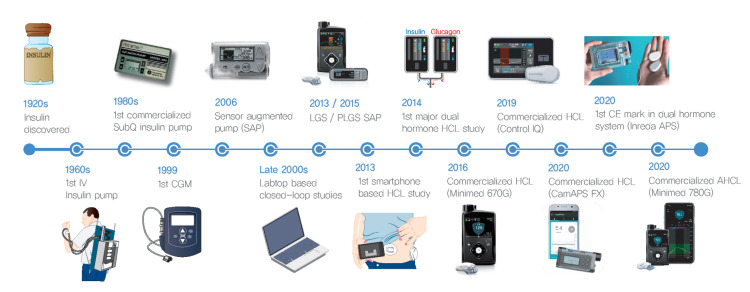
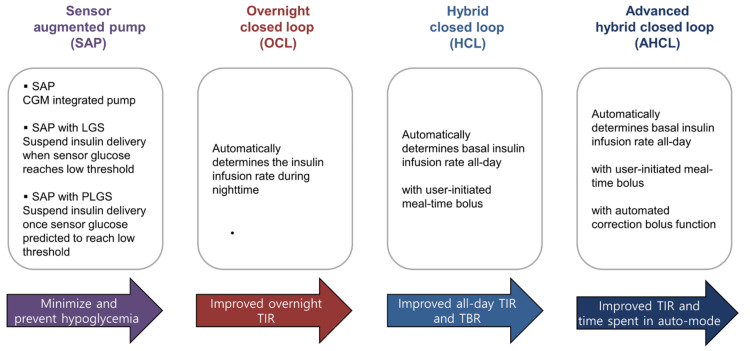
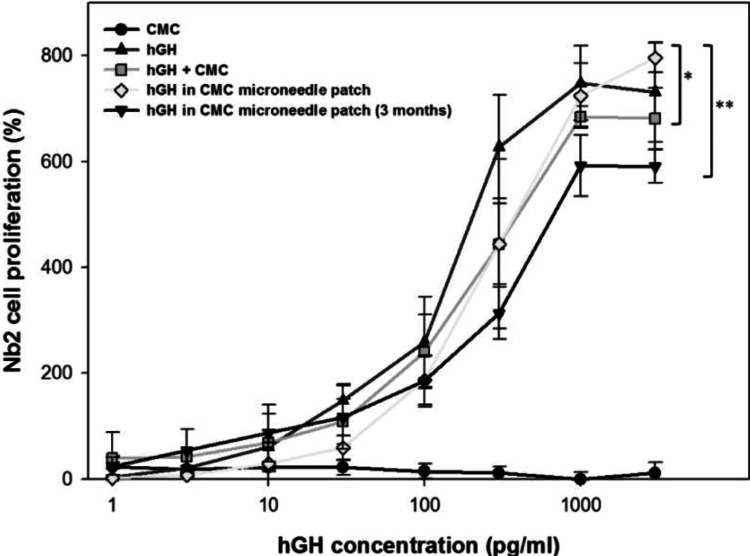
Recent advancements in drug delivery systems for endocrine disorders have significantly improved patient outcomes by addressing the limitations of traditional methods such as oral tablets and injections. These innovations include non-invasive alternatives like inhaled insulin, which provides rapid absorption and better patient compliance, and robotic pills that deliver drugs directly to specific gastrointestinal sites, enhancing absorption and reducing side effects. Wearable artificial pancreas systems have revolutionized diabetes management by integrating continuous glucose monitoring with insulin pumps to automate blood glucose control. These systems demonstrate superior glycemic control and reduce hypoglycemic events. Additionally, smart insulin pens enhance diabetes care through dose tracking and real-time data sharing, improving accuracy and adherence. Microneedle patches offer a minimally invasive method for transdermal drug delivery, effectively administering hormones and therapeutic peptides without the pain and inconvenience of injections. These patches dissolve after use, eliminating biohazardous waste. Implantable devices provide long-term, controlled release of medications, significantly improving adherence and glycemic control of patients with diabetes. Hydrogels also offer new drug delivery options. This review examines these technologies' clinical efficacy, safety, advantages, and limitations, highlighting their potential to transform endocrine disorder management. Integrating advanced delivery systems marks a significant step towards personalized medicine, tailoring treatments to individual patient needs for better health outcomes.
内分泌疾病药物递送系统的最新进展通过解决口服片剂和注射等传统方法的局限性,显著改善了患者的治疗效果。这些创新包括非侵入性替代方法,如吸入式胰岛素,它能快速吸收并提高患者的依从性;还有机器人药丸,可将药物直接递送至特定的胃肠道部位,增强吸收并减少副作用。可穿戴人工胰腺系统通过将连续血糖监测与胰岛素泵集成,实现血糖控制自动化,彻底改变了糖尿病管理方式。这些系统显示出卓越的血糖控制能力,并减少了低血糖事件。此外,智能胰岛素笔通过剂量跟踪和实时数据共享增强了糖尿病护理,提高了准确性和依从性。微针贴片提供了一种微创的经皮给药方法,能有效施用激素和治疗性肽,且没有注射带来的疼痛和不便。这些贴片在使用后会溶解,消除了生物危害废物。可植入设备可实现药物的长期控释,显著提高糖尿病患者的依从性和血糖控制水平。水凝胶也提供了新的药物递送选择。本综述考察了这些技术的临床疗效、安全性、优势和局限性,突出了它们在改变内分泌疾病管理方面的潜力。整合先进的递送系统是迈向个性化医疗的重要一步,根据个体患者的需求定制治疗方案以实现更好的健康结果。