Jafleh Eman A, Alnaqbi Fatima A, Almaeeni Hind A, Faqeeh Shooq, Alzaabi Moza A, Al Zaman Khaled
College of Dentistry, University of Sharjah, Sharjah, ARE.
College of Medicine, University of Sharjah, Sharjah, ARE.
Cureus. 2024 Sep 8;16(9):e68921. doi: 10.7759/cureus.68921. eCollection 2024 Sep.
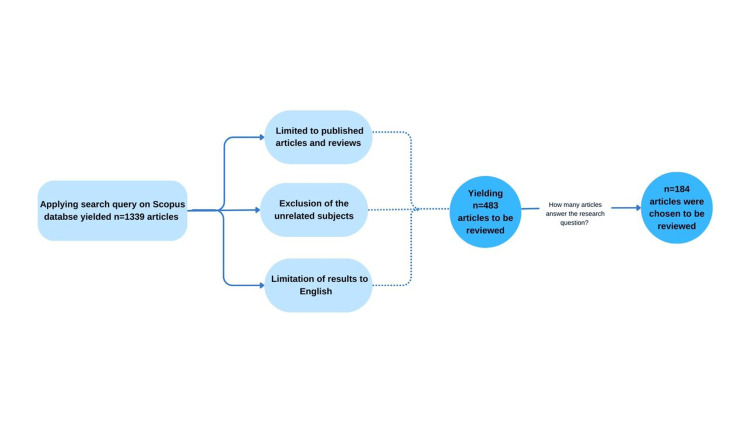
Wearable health devices are becoming vital in chronic disease management because they offer real-time monitoring and personalized care. This review explores their effectiveness and challenges across medical fields, including cardiology, respiratory health, neurology, endocrinology, orthopedics, oncology, and mental health. A thorough literature search identified studies focusing on wearable devices' impact on patient outcomes. In cardiology, wearables have proven effective for monitoring hypertension, detecting arrhythmias, and aiding cardiac rehabilitation. In respiratory health, these devices enhance asthma management and continuous monitoring of critical parameters. Neurological applications include seizure detection and Parkinson's disease management, with wearables showing promising results in improving patient outcomes. In endocrinology, wearable technology advances thyroid dysfunction monitoring, fertility tracking, and diabetes management. Orthopedic applications include improved postsurgical recovery and rehabilitation, while wearables help in early complication detection in oncology. Mental health benefits include anxiety detection, post-traumatic stress disorder management, and stress reduction through wearable biofeedback. In conclusion, wearable health devices offer transformative potential for managing chronic illnesses by enhancing real-time monitoring and patient engagement. Despite significant improvements in adherence and outcomes, challenges with data accuracy and privacy persist. However, with ongoing innovation and collaboration, we can all be part of the solution to maximize the benefits of wearable technologies in healthcare.
可穿戴健康设备在慢性病管理中变得至关重要,因为它们能提供实时监测和个性化护理。本综述探讨了其在包括心脏病学、呼吸健康、神经病学、内分泌学、骨科、肿瘤学和心理健康等医学领域的有效性和挑战。全面的文献检索确定了关注可穿戴设备对患者预后影响的研究。在心脏病学中,可穿戴设备已被证明在监测高血压、检测心律失常和辅助心脏康复方面有效。在呼吸健康方面,这些设备可加强哮喘管理并持续监测关键参数。神经学应用包括癫痫检测和帕金森病管理,可穿戴设备在改善患者预后方面显示出有希望的结果。在内分泌学中,可穿戴技术推动了甲状腺功能障碍监测、生育跟踪和糖尿病管理。骨科应用包括改善术后恢复和康复,而可穿戴设备有助于肿瘤学中的早期并发症检测。心理健康益处包括焦虑检测、创伤后应激障碍管理以及通过可穿戴生物反馈减轻压力。总之,可穿戴健康设备通过加强实时监测和患者参与,为慢性病管理提供了变革潜力。尽管在依从性和预后方面有显著改善,但数据准确性和隐私方面的挑战依然存在。然而,随着不断创新和合作,我们都可以成为解决方案的一部分,以最大限度地发挥可穿戴技术在医疗保健中的益处。