Agents, Interaction and Complexity Group, School of Electronics and Computer Science, University of Southampton, Southampton SO17 1BJ, United Kingdom.
Politics and International Relations Department, University of Southampton, Southampton SO17 1BJ, United Kingdom.
Proc Natl Acad Sci U S A. 2024 Jul 30;121(31):e2310458121. doi: 10.1073/pnas.2310458121. Epub 2024 Jul 23.
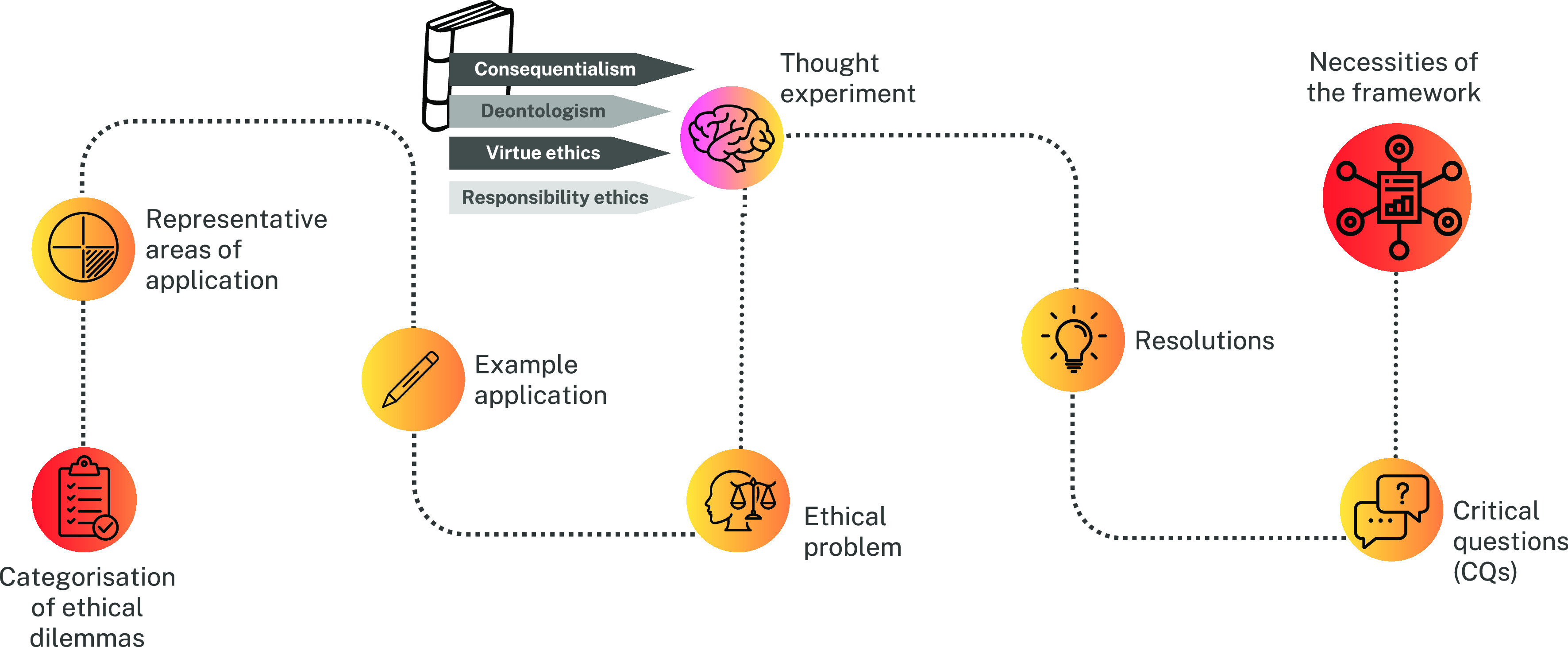
The industrial revolution of the 19th century marked the onset of an era of machines and robots that transformed societies. Since the beginning of the 21st century, a new generation of robots envisions similar societal transformation. These robots are biohybrid: part living and part engineered. They may self-assemble and emerge from complex interactions between living cells. While this new era of living robots presents unprecedented opportunities for positive societal impact, it also poses a host of ethical challenges. A systematic, nuanced examination of these ethical issues is of paramount importance to guide the evolution of this nascent field. Multidisciplinary fields face the challenge that inertia around collective action to address ethical boundaries may result in unexpected consequences for researchers and societies alike. In this Perspective, we i) clarify the ethical challenges associated with biohybrid robotics, ii) discuss the need for and elements of a potential governance framework tailored to this technology; and iii) propose tangible steps toward ethical compliance and policy formation in the field of biohybrid robotics.
19 世纪的工业革命标志着机器和机器人时代的开始,这一时代改变了社会。自 21 世纪初以来,新一代机器人设想了类似的社会变革。这些机器人是生物混合体:部分是活的,部分是工程设计的。它们可能会自我组装,并从活细胞之间的复杂相互作用中出现。虽然这个拥有活机器人的新时代为积极的社会影响带来了前所未有的机会,但它也带来了一系列道德挑战。系统地、细致地研究这些道德问题对于指导这一新兴领域的发展至关重要。多学科领域面临的挑战是,围绕集体行动来解决伦理界限的惯性可能会给研究人员和社会带来意想不到的后果。在本观点中,我们:i)阐明了与生物混合机器人相关的伦理挑战;ii)讨论了针对这项技术的潜在治理框架的必要性和要素;iii)提出了在生物混合机器人领域实现道德合规和政策制定的切实步骤。