
光动力疗法(PDT)与免疫检查点的最新研究进展
The Latest Look at PDT and Immune Checkpoints.
作者信息
Aebisher David, Przygórzewska Agnieszka, Bartusik-Aebisher Dorota
机构信息
Department of Photomedicine and Physical Chemistry, Medical College, The Rzeszów University, 35-959 Rzeszów, Poland.
English Division Science Club, Medical College of The Rzeszów University, 35-025 Rzeszów, Poland.
出版信息
Curr Issues Mol Biol. 2024 Jul 8;46(7):7239-7257. doi: 10.3390/cimb46070430.
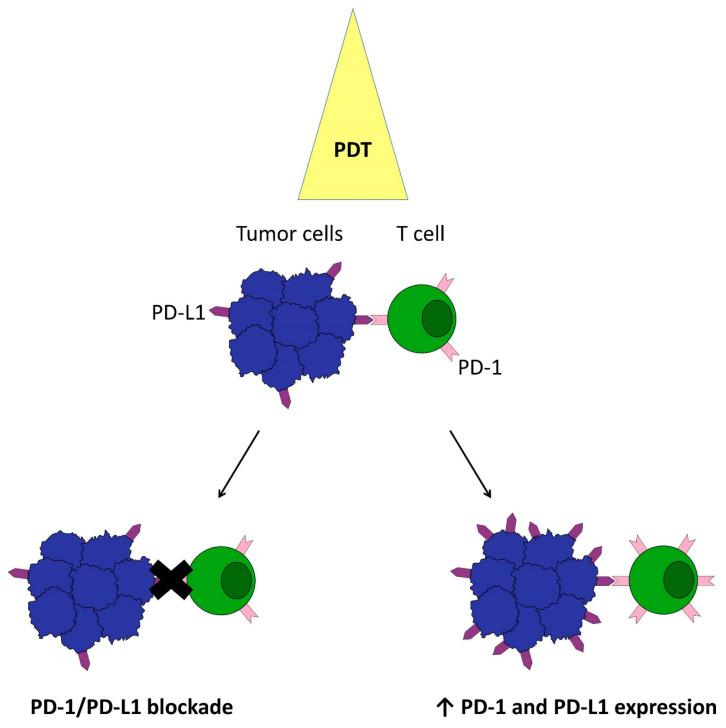
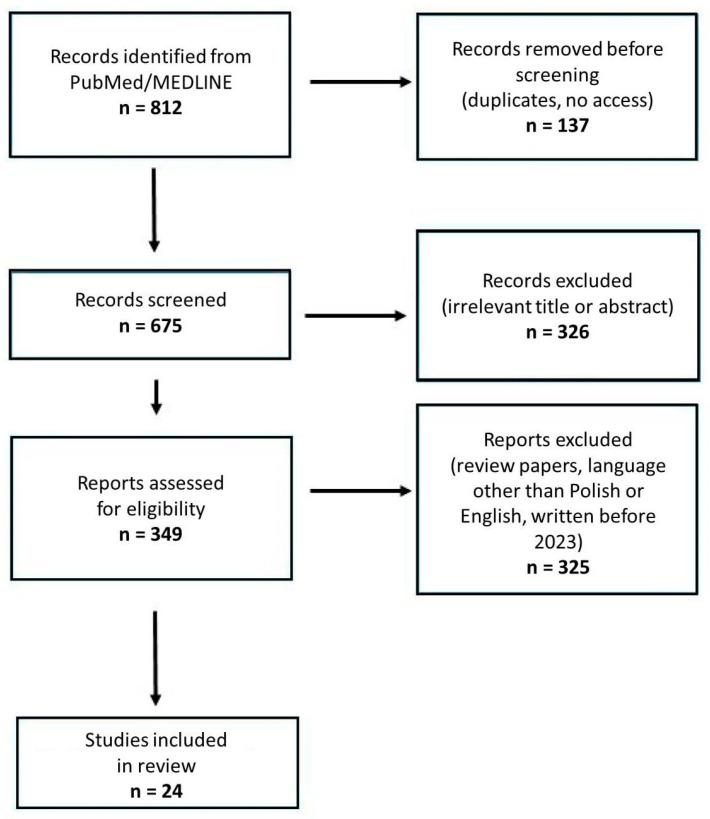
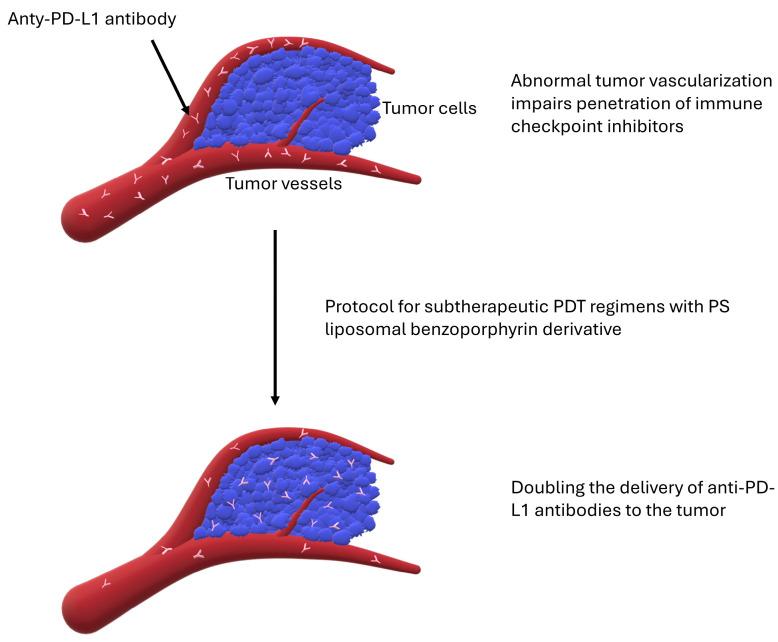
Photodynamic therapy (PDT) can not only directly eliminate cancer cells, but can also stimulate antitumor immune responses. It also affects the expression of immune checkpoints. The purpose of this review is to collect, analyze, and summarize recent news about PDT and immune checkpoints, along with their inhibitors, and to identify future research directions that may enhance the effectiveness of this approach. A search for research articles published between January 2023 and March 2024 was conducted in PubMed/MEDLINE. Eligibility criteria were as follows: (1) papers describing PDT and immune checkpoints, (2) only original research papers, (3) only papers describing new reports in the field of PDT and immune checkpoints, and (4) both in vitro and in vivo papers. Exclusion criteria included (1) papers written in a language other than Polish or English, (2) review papers, and (3) papers published before January 2023. 24 papers describing new data on PDT and immune checkpoints have been published since January 2023. These included information on the effects of PDT on immune checkpoints, and attempts to associate PDT with ICI and with other molecules to modulate immune checkpoints, improve the immunosuppressive environment of the tumor, and resolve PDT-related problems. They also focused on the development of new nanoparticles that can improve the delivery of photosensitizers and drugs selectively to the tumor. The effect of PDT on the level of immune checkpoints and the associated activity of the immune system has not been fully elucidated further, and reports in this area are divergent, indicating the complexity of the interaction between PDT and the immune system. PDT-based strategies have been shown to have a beneficial effect on the delivery of ICI to the tumor. The utility of PDT in enhancing the induction of the antitumor response by participating in the triggering of immunogenic cell death, the exposure of tumor antigens, and the release of various alarm signals that together promote the activation of dendritic cells and other components of the immune system has also been demonstrated, with the result that PDT can enhance the antitumor immune response induced by ICI therapy. PDT also enables multifaceted regulation of the tumor's immunosuppressive environment, as a result of which ICI therapy has the potential to achieve better antitumor efficacy. The current review has presented evidence of PDT's ability to modulate the level of immune checkpoints and the effectiveness of the association of PDT with ICIs and other molecules in inducing an effective immune response against cancer cells. However, these studies are at an early stage and many more observations need to be made to confirm their efficacy. The new research directions indicated may contribute to the development of further strategies.
光动力疗法(PDT)不仅可以直接消除癌细胞,还能刺激抗肿瘤免疫反应。它还会影响免疫检查点的表达。本综述的目的是收集、分析和总结关于PDT与免疫检查点及其抑制剂的最新消息,并确定可能提高该方法有效性的未来研究方向。在PubMed/MEDLINE中检索了2023年1月至2024年3月发表的研究文章。纳入标准如下:(1)描述PDT与免疫检查点的论文;(2)仅为原创研究论文;(3)仅描述PDT与免疫检查点领域新报告的论文;(4)体外和体内研究论文。排除标准包括:(1)非波兰语或英语撰写的论文;(2)综述论文;(3)2023年1月之前发表的论文。自2023年1月以来,已发表了24篇描述PDT与免疫检查点新数据的论文。这些数据包括PDT对免疫检查点的影响,以及将PDT与免疫检查点抑制剂(ICI)和其他分子关联以调节免疫检查点、改善肿瘤免疫抑制环境和解决PDT相关问题的尝试。它们还聚焦于新型纳米颗粒的研发,这些纳米颗粒可提高光敏剂和药物向肿瘤的选择性递送。PDT对免疫检查点水平及相关免疫系统活性的影响尚未得到充分阐明,该领域的报告存在分歧,表明PDT与免疫系统之间相互作用的复杂性。基于PDT的策略已被证明对ICI向肿瘤的递送具有有益作用。PDT通过参与引发免疫原性细胞死亡、暴露肿瘤抗原以及释放各种警报信号,共同促进树突状细胞和免疫系统其他成分的激活,从而增强ICI疗法诱导的抗肿瘤免疫反应,这一点也已得到证实。因此,PDT能够对肿瘤的免疫抑制环境进行多方面调节,使得ICI疗法有可能实现更好的抗肿瘤疗效。本综述展示了PDT调节免疫检查点水平的能力,以及PDT与ICI和其他分子联合在诱导针对癌细胞的有效免疫反应方面的有效性证据。然而,这些研究尚处于早期阶段,需要更多观察来证实其疗效。所指出的新研究方向可能有助于进一步策略的开发。
 Zotero 插件