Munim Md Adnan, Das Shuvo Chandra, Hossain Md Murad, Hami Ithmam, Topu Mridul Gope, Gupta Shipan Das
Department of Biotechnology and Genetic Engineering, Noakhali Science and Technology University, Noakhali, Bangladesh.
Department of Microbiology, Noakhali Science and Technology University, Noakhali, Bangladesh.
PLoS One. 2024 Aug 1;19(8):e0292638. doi: 10.1371/journal.pone.0292638. eCollection 2024.
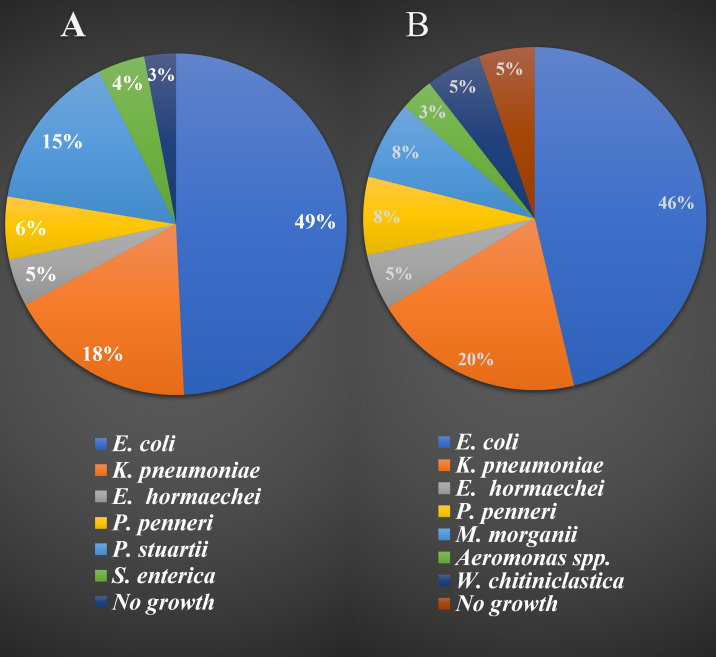
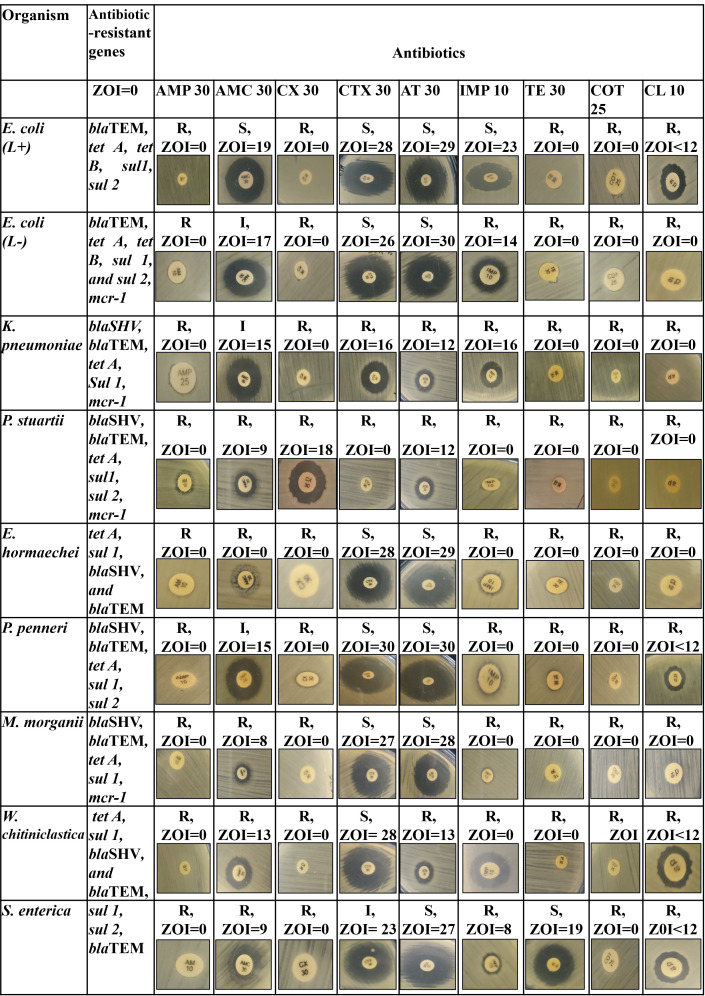
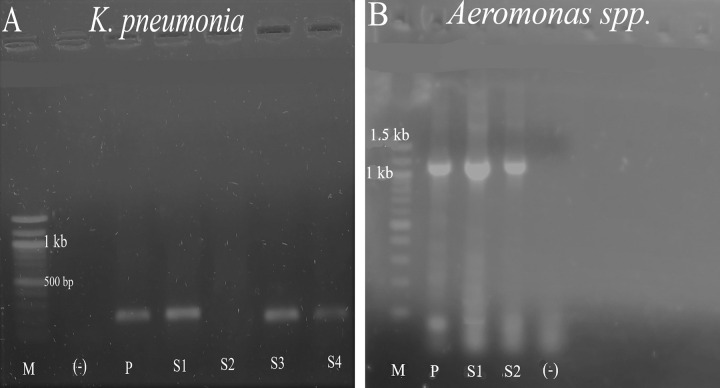
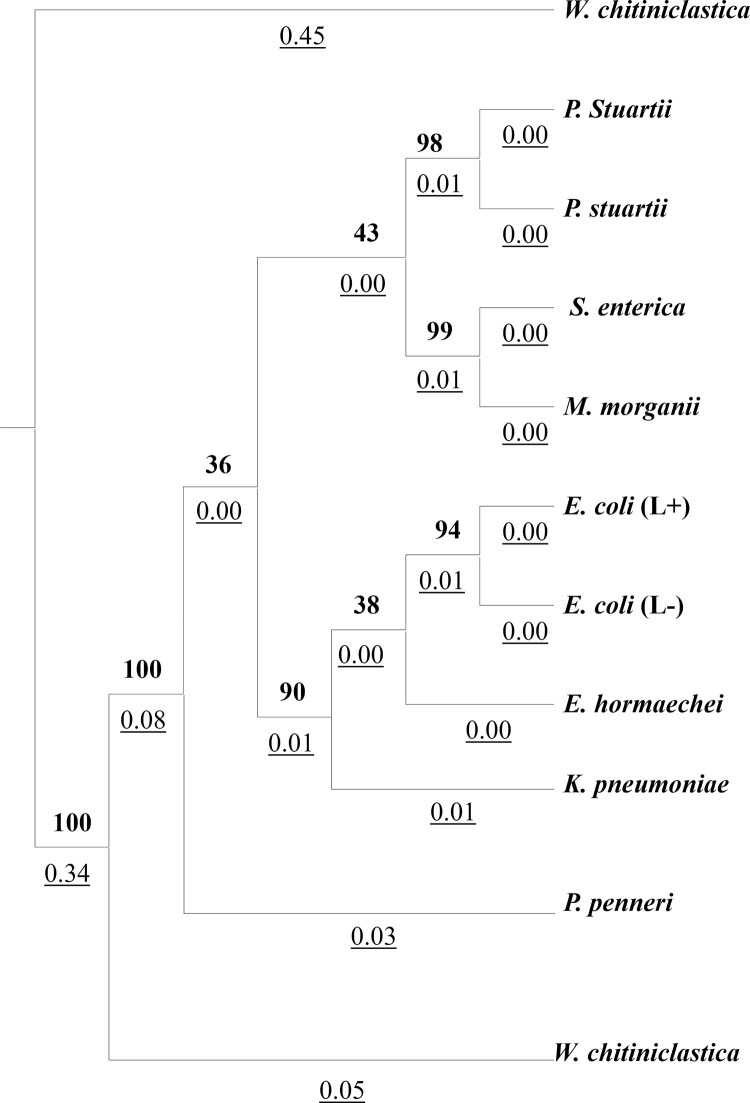
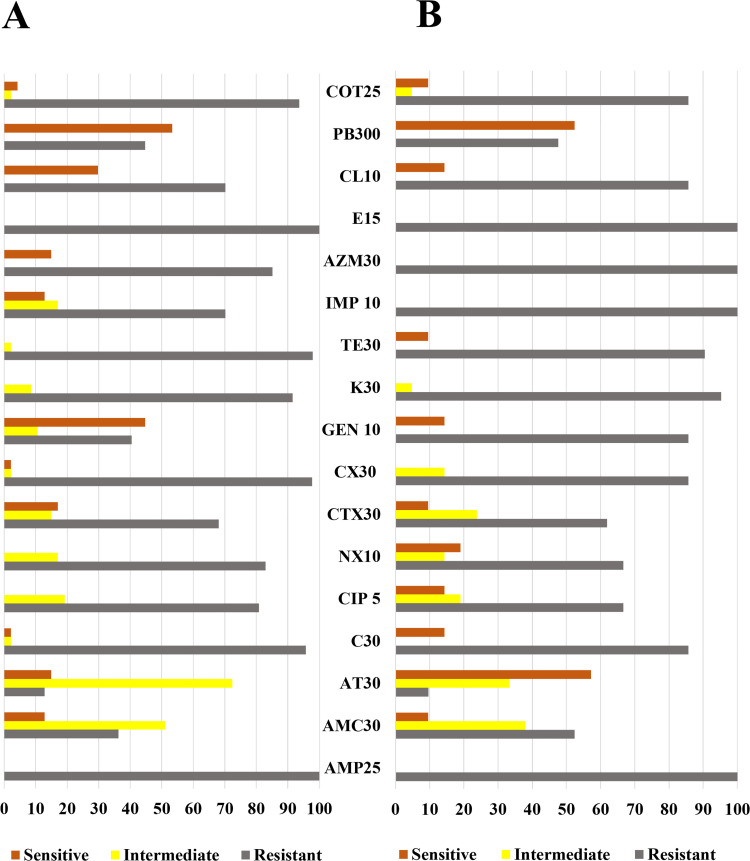
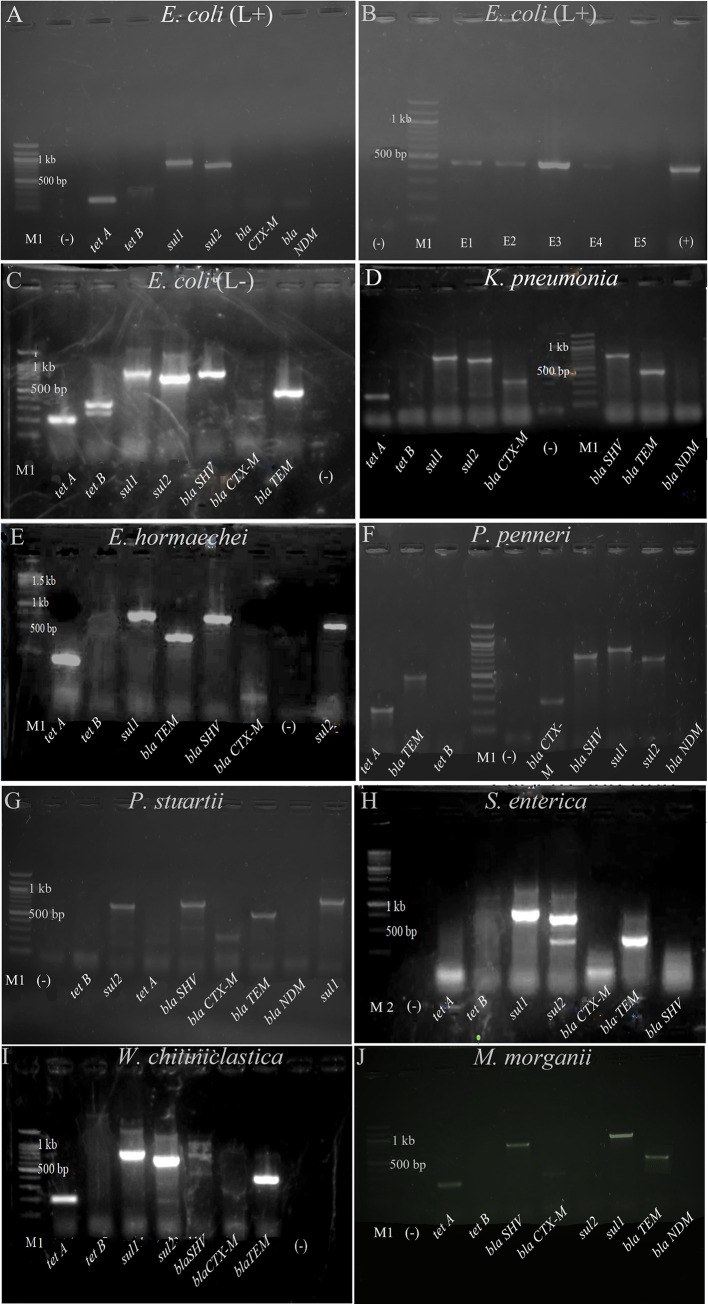
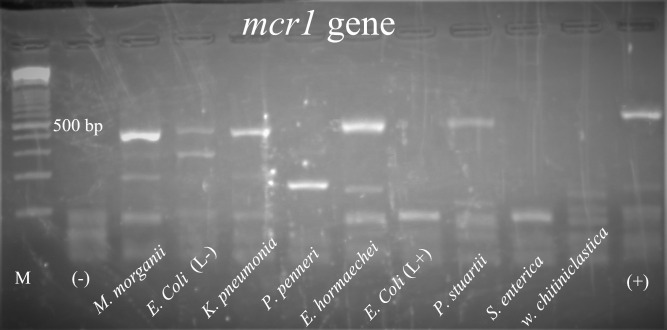
Rapidly increasing antibiotic-resistant bacterial strains in Bangladesh's food and farm animals stem from the excessive and inappropriate use of antibiotics. To assess the prevalence of multi-drug resistant (MDR) Gram-negative bacteria in poultry chicks, we sought to isolate and identify strains carrying antimicrobial resistance genes. Isolation and identification involved biochemical tests, 16S rRNA sequencing, and PCR screening of species-specific genes. MDR patterns were evaluated using CLSI guidelines with seventeen antibiotics across twelve classes. Targeted gene sequences were amplified for the detection of Extended-spectrum β-Lactamase (ESBL), carbapenem, tetracycline, sulfonamide, and colistin resistance genes. Common isolates, such as Escherichia coli, Klebsiella pneumoniae, Proteus penneri, and Enterobacter hormaechei, exhibited average Multiple Antimicrobial Resistance (MAR) indices of 0.66, 0.76, 0.8, 0.84, and 0.81, 0.76, 0.84, 0.41 for broiler and layer chicken, respectively. Providencia stuartii and Salmonella enterica, exclusive to broiler samples, had MAR indices of 0.82 and 0.84, respectively. Additional isolates Morganella morganii, Aeromonas spp., and Wohlfahrtiimonas chitiniclastica were found in layers (Average MAR indices: 0.73, 0.71, and 0.91). Notably, M. morganii, E. hormaechei and W. chitiniclastica were identified for the first time in Bangladeshi poultry chicken, although their evolution is yet to be understood. In this study, Pan-drug resistance was observed in one P. stuartii (broiler) and one Aeromonas spp. (layer) with a MAR index 1, while all isolates exhibited MAR indices >0.2, indicating MDR. Antimicrobial resistance (AMR) gene screening identified blaTEM, blaSHV, tetA, and sul1 in a majority of the MDR strains. Interestingly, E. coli (lactose positive and negative) and E. hormaechei were exclusively found to possess the tetB gene. In addition, E. coli (lactose negative), Klebsiella pneumoniae, Enterobacter hormaechei, M. morganii, and P. stuartii were observed to carry the colistin-resistant mcr-1 gene, whereas sul2 was detected in E. coli (lactose positive and negative), E. hormaechei, P. stuartii, and P. penneri. These findings emphasize the health risk of our consumers of both broiler and layer chickens as they have turned into a potent reservoir of various AMR gene carrying MDR and Pan-drug resistant bacteria.
孟加拉国食用动物和农场动物中抗生素耐药性细菌菌株的迅速增加源于抗生素的过度和不当使用。为了评估家禽雏鸡中多重耐药(MDR)革兰氏阴性菌的流行情况,我们试图分离和鉴定携带抗菌抗性基因的菌株。分离和鉴定涉及生化试验、16S rRNA测序以及物种特异性基因的PCR筛选。使用CLSI指南对十二类十七种抗生素评估MDR模式。扩增靶向基因序列以检测超广谱β-内酰胺酶(ESBL)、碳青霉烯、四环素磺胺类和黏菌素抗性基因。常见分离株,如大肠杆菌、肺炎克雷伯菌、彭氏变形杆菌和霍氏肠杆菌,肉鸡和蛋鸡的平均多重抗菌耐药(MAR)指数分别为0.66、0.76、0.8、0.84以及0.81、0.76、0.84、0.41。仅在肉鸡样本中发现的斯氏普罗威登斯菌和肠炎沙门氏菌的MAR指数分别为0.82和0.84。在蛋鸡中还发现了其他分离株摩根氏摩根菌属、气单胞菌属和几丁质分解沃氏菌属(平均MAR指数:0.73、0.71和0.91)。值得注意的是,摩根氏摩根菌属、霍氏肠杆菌和几丁质分解沃氏菌属首次在孟加拉国的家禽中被鉴定出来,尽管它们的进化情况尚不清楚。在本研究中,在一株斯氏普罗威登斯菌(肉鸡)和气单胞菌属(蛋鸡)中观察到泛耐药,其MAR指数为1,而所有分离株的MAR指数均>0.2,表明存在MDR。抗菌抗性(AMR)基因筛选在大多数MDR菌株中鉴定出blaTEM、blaSHV、tetA和sul1。有趣的是,仅发现大肠杆菌(乳糖阳性和阴性)和霍氏肠杆菌拥有tetB基因。此外,观察到大肠杆菌(乳糖阴性)、肺炎克雷伯菌、霍氏肠杆菌、摩根氏摩根菌属和斯氏普罗威登斯菌携带黏菌素抗性mcr-1基因,而在大肠杆菌(乳糖阳性和阴性)、霍氏肠杆菌、斯氏普罗威登斯菌和彭氏变形杆菌中检测到sul2。这些发现强调了肉鸡和蛋鸡对消费者的健康风险,因为它们已成为携带各种AMR基因的MDR和泛耐药细菌的有力宿主。