AI Lab, Tencent, Shenzhen, 518052, China.
Artificial Intelligence Medical Research Center, School of Intelligent Systems Engineering, Shenzhen Campus of Sun Yat-sen University, Shenzhen, China.
Nat Commun. 2024 Aug 10;15(1):6867. doi: 10.1038/s41467-024-50903-y.
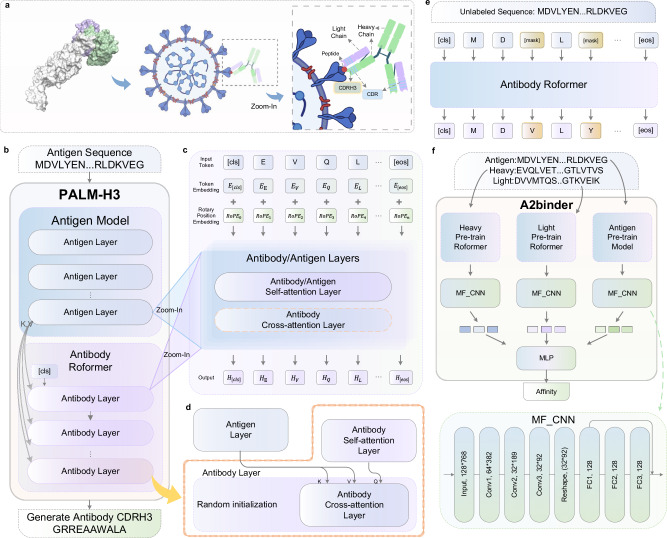
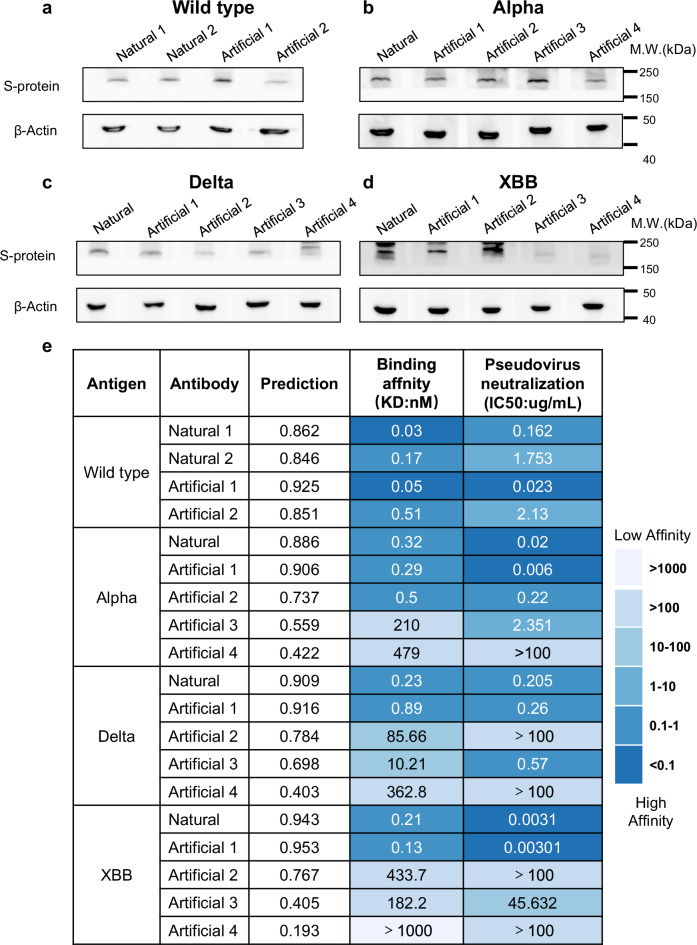
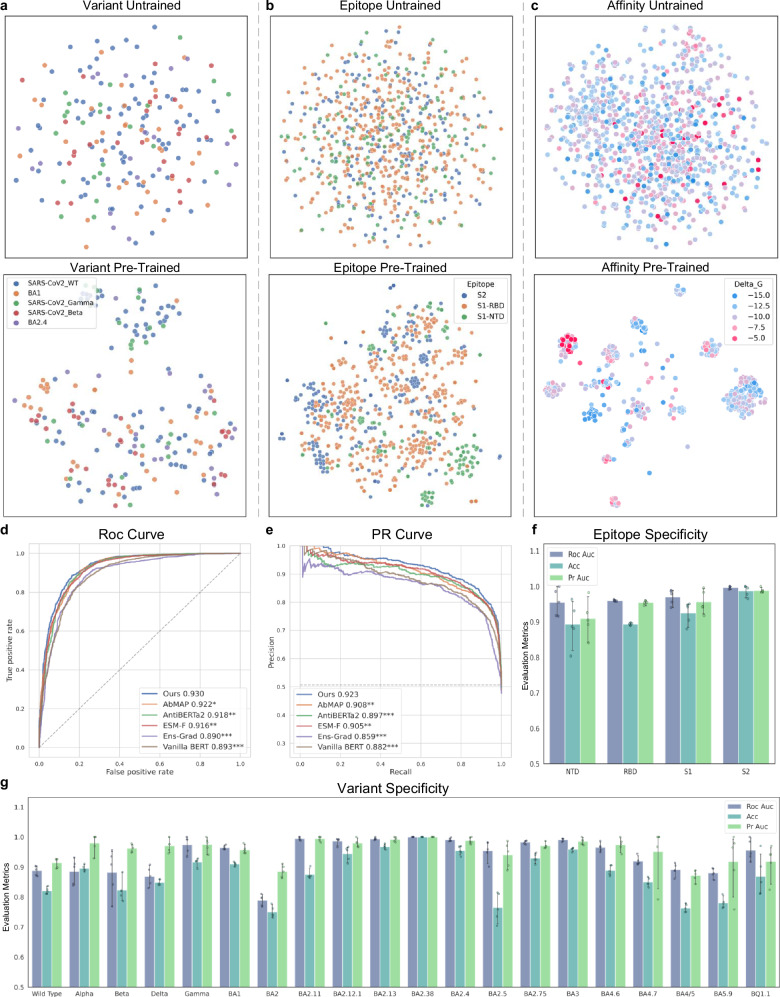
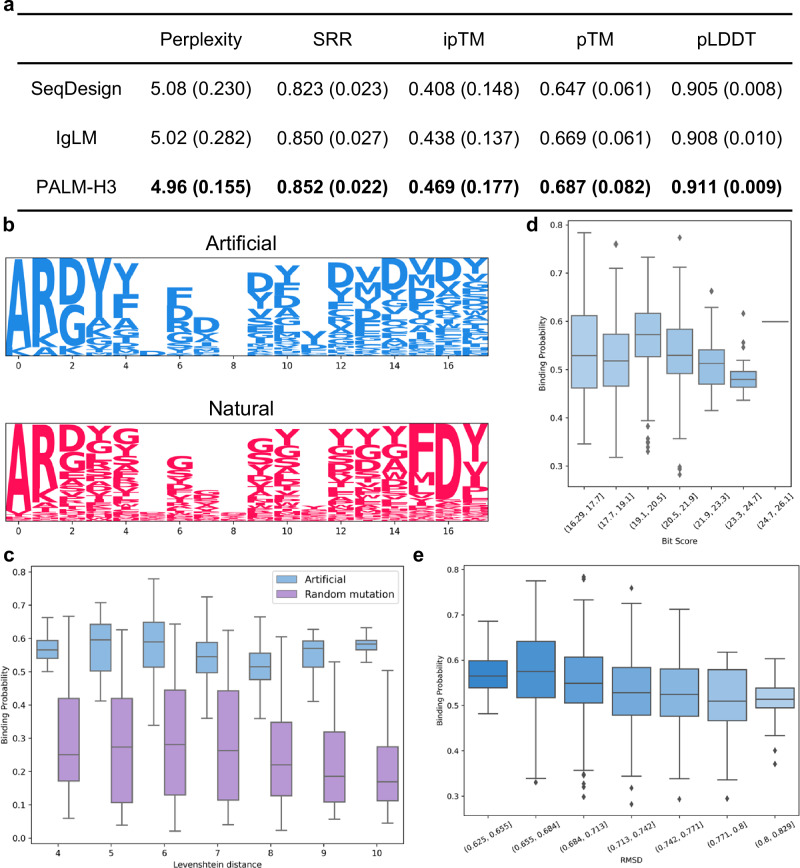
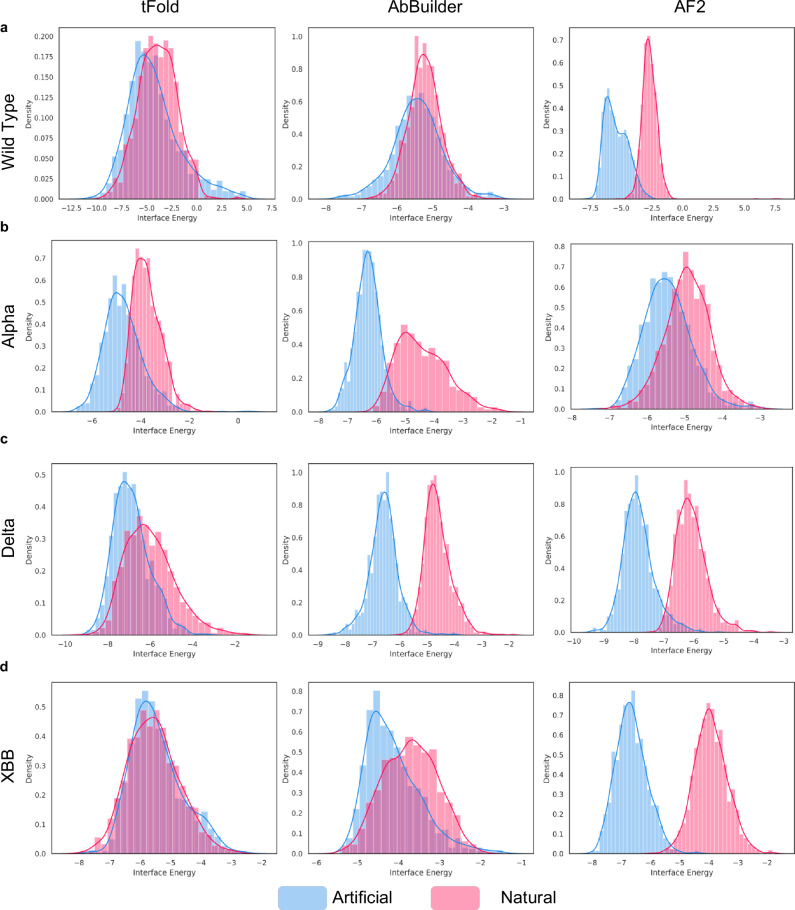
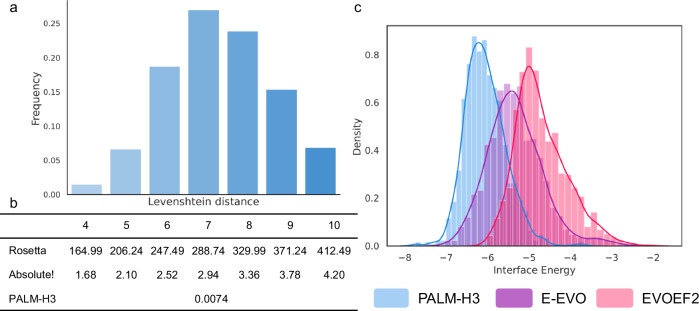
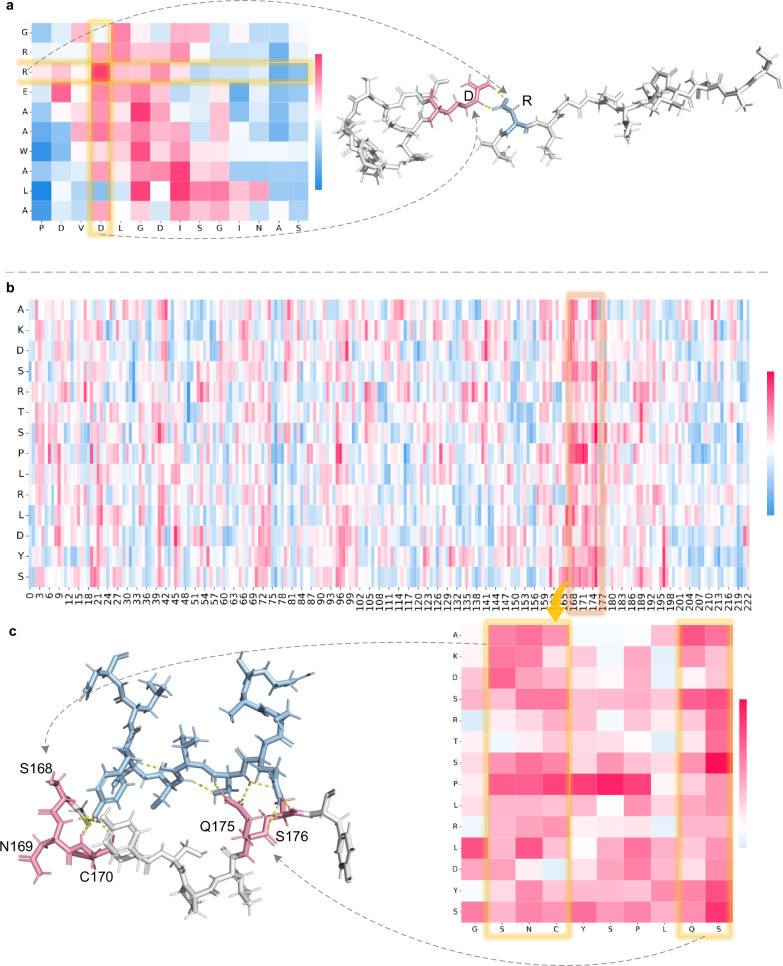
Artificial Intelligence (AI) techniques have made great advances in assisting antibody design. However, antibody design still heavily relies on isolating antigen-specific antibodies from serum, which is a resource-intensive and time-consuming process. To address this issue, we propose a Pre-trained Antibody generative large Language Model (PALM-H3) for the de novo generation of artificial antibodies heavy chain complementarity-determining region 3 (CDRH3) with desired antigen-binding specificity, reducing the reliance on natural antibodies. We also build a high-precision model antigen-antibody binder (A2binder) that pairs antigen epitope sequences with antibody sequences to predict binding specificity and affinity. PALM-H3-generated antibodies exhibit binding ability to SARS-CoV-2 antigens, including the emerging XBB variant, as confirmed through in-silico analysis and in-vitro assays. The in-vitro assays validate that PALM-H3-generated antibodies achieve high binding affinity and potent neutralization capability against spike proteins of SARS-CoV-2 wild-type, Alpha, Delta, and the emerging XBB variant. Meanwhile, A2binder demonstrates exceptional predictive performance on binding specificity for various epitopes and variants. Furthermore, by incorporating the attention mechanism inherent in the Roformer architecture into the PALM-H3 model, we improve its interpretability, providing crucial insights into the fundamental principles of antibody design.
人工智能 (AI) 技术在辅助抗体设计方面取得了重大进展。然而,抗体设计仍然严重依赖于从血清中分离抗原特异性抗体,这是一个资源密集型且耗时的过程。为了解决这个问题,我们提出了一种基于预训练的抗体生成大语言模型 (PALM-H3),用于从头生成具有所需抗原结合特异性的人工抗体重链互补决定区 3 (CDRH3),减少对天然抗体的依赖。我们还构建了一个高精度的模型抗原-抗体结合物 (A2binder),将抗原表位序列与抗体序列配对,以预测结合特异性和亲和力。通过计算机模拟分析和体外实验验证,PALM-H3 生成的抗体表现出对 SARS-CoV-2 抗原的结合能力,包括新兴的 XBB 变体。体外实验验证了 PALM-H3 生成的抗体对 SARS-CoV-2 野生型、Alpha、Delta 和新兴的 XBB 变体的刺突蛋白具有高结合亲和力和强大的中和能力。同时,A2binder 在各种表位和变体的结合特异性预测方面表现出出色的性能。此外,通过将 Roformer 架构中固有的注意力机制纳入 PALM-H3 模型,我们提高了其可解释性,为抗体设计的基本原则提供了重要的见解。