Hou Ling, Su Ke, He Ting, Zhao Jinbo, Li Yuanhong
Central Hospital of Tujia and Miao Autonomous Prefecture, Hubei University of Medicine, Shiyan, Hubei Province, People's Republic of China.
Cardiovascular Disease Center, Central Hospital of Tujia and Miao Autonomous Prefecture, Hubei University of Medicine, Enshi, Hubei Province, People's Republic of China.
Int J Gen Med. 2024 Aug 9;17:3443-3452. doi: 10.2147/IJGM.S477053. eCollection 2024.
This study aims to investigate their correlation and predictive utility for in-stent restenosis (ISR) in patients with acute coronary syndrome (ACS) following percutaneous coronary intervention (PCI).
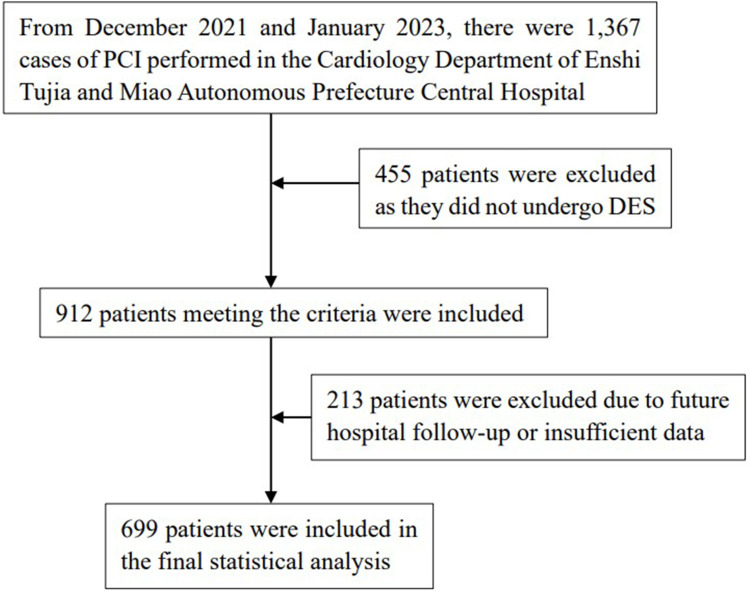
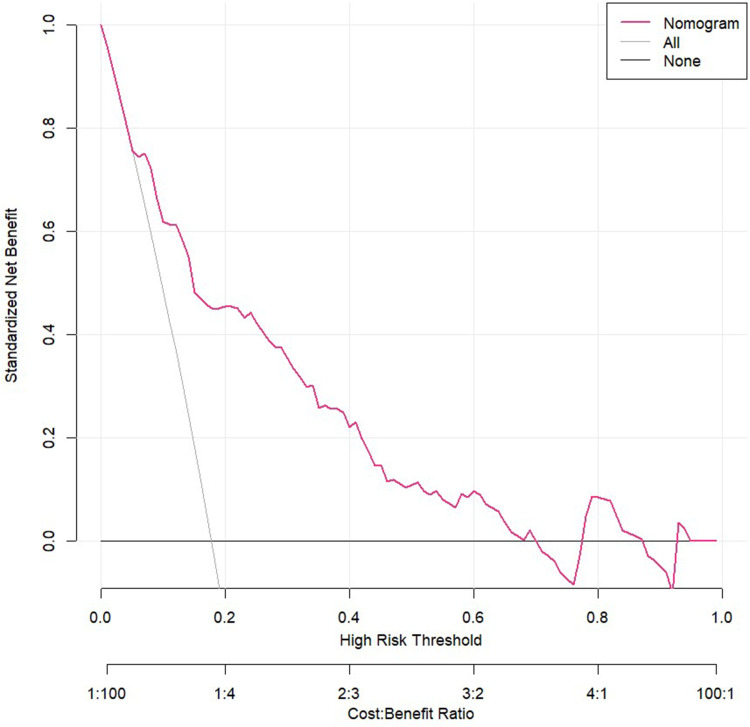
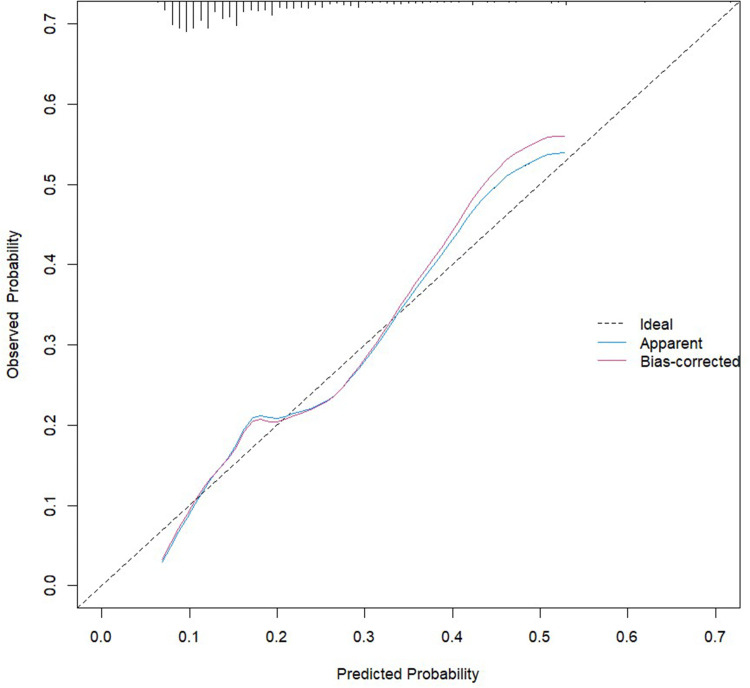
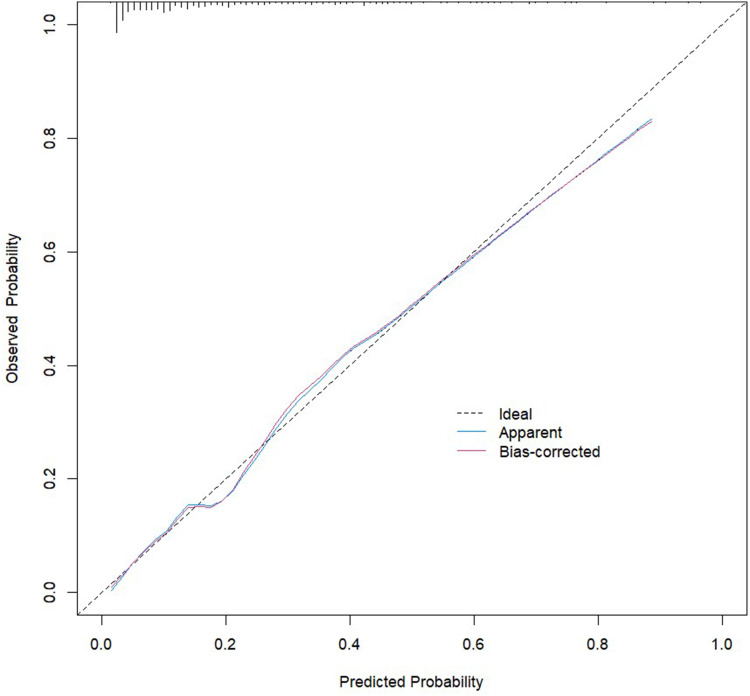
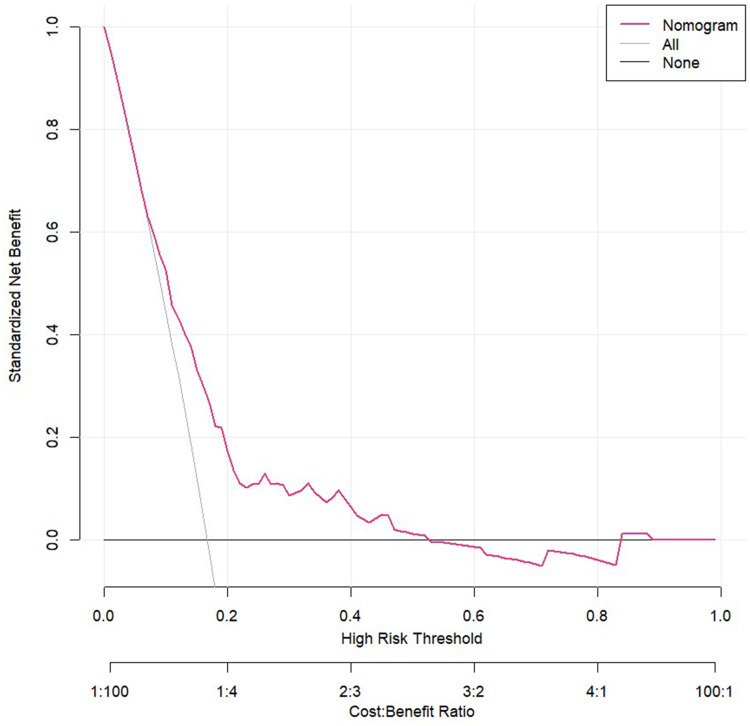
We collected medical records of 668 patients who underwent PCI treatment from January 2022 to December 2022. Based on follow-up results (ISR defined as luminal narrowing ≥ 50% on angiography), all participants were divided into ISR and non-ISR groups. The XGBoost machine learning (ML) model was employed to identify the optimal predictive variables from a set of 31 variables. Discriminatory ability was evaluated using the area under the receiver operating characteristic (ROC) curve (AUC), while calibration and performance of the prediction models were assessed using the Hosmer-Lemeshow (HL) test and calibration plots. Clinical utility of each model was evaluated using decision curve analysis (DCA).
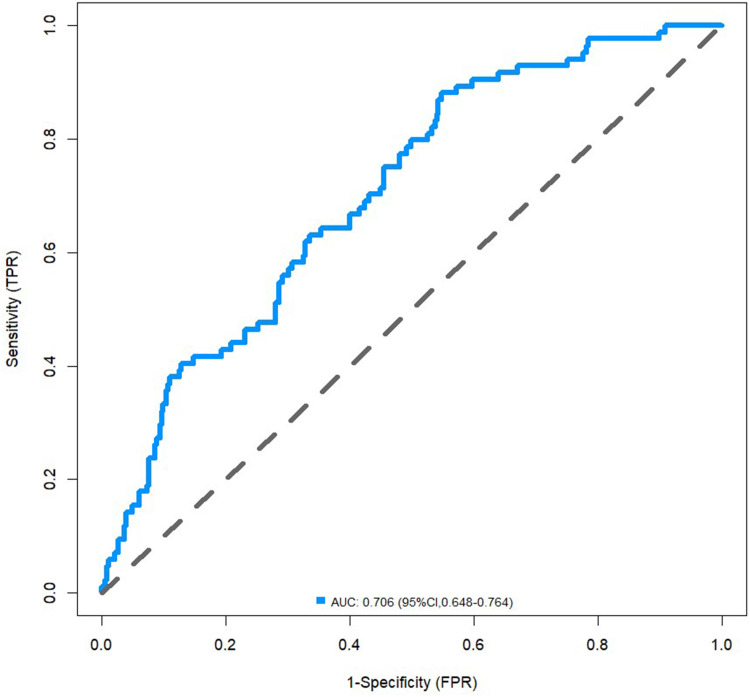
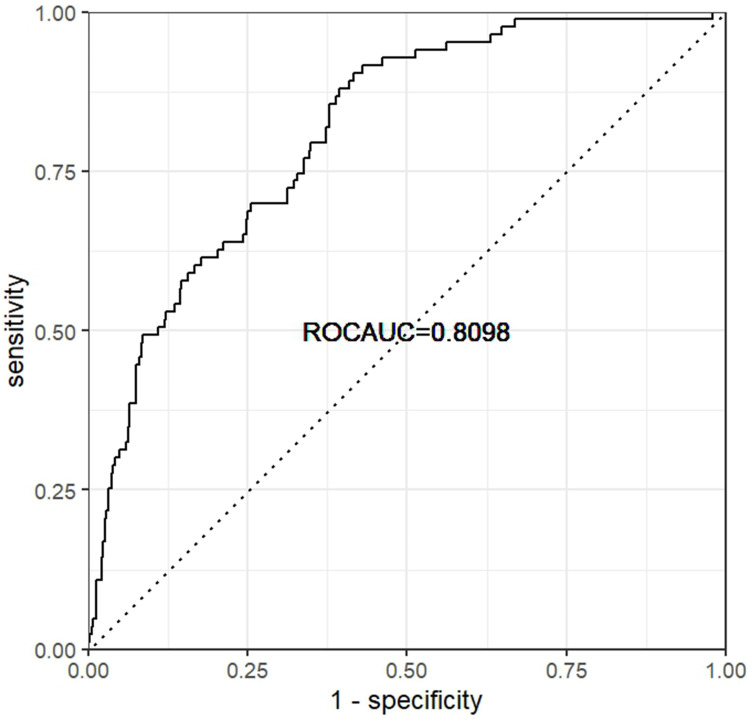
In the XGBoost importance ranking of predictive factors, LMR and RC ranked first and fourth, respectively. The AUC of the entire XGBoost ML model was 0.8098, whereas the model using traditional stepwise backward regression, comprising five predictive factors, had an AUC of 0.706. The XGBoost model showed superior predictive performance with a higher AUC, indicating better discrimination and predictive accuracy for ISR compared to traditional methods.
LMR and RC are identified as cost-effective and reliable biomarkers for predicting ISR risk in ACS patients following drug-eluting stent (DES) implantation. LMR and RC represent cost-effective and reliable biomarkers for predicting ISR risk in ACS patients following drug-eluting stent implantation. Enhances the accuracy and clinical utility of ISR prediction models, offering clinicians a robust tool for risk stratification and personalized patient management.
本研究旨在探讨其在经皮冠状动脉介入治疗(PCI)后急性冠状动脉综合征(ACS)患者中对支架内再狭窄(ISR)的相关性及预测效用。
我们收集了2022年1月至2022年12月期间接受PCI治疗的668例患者的病历。根据随访结果(ISR定义为血管造影显示管腔狭窄≥50%),将所有参与者分为ISR组和非ISR组。采用XGBoost机器学习(ML)模型从一组31个变量中识别出最佳预测变量。使用受试者工作特征(ROC)曲线下面积(AUC)评估判别能力,同时使用Hosmer-Lemeshow(HL)检验和校准图评估预测模型的校准和性能。使用决策曲线分析(DCA)评估每个模型的临床效用。
在预测因素的XGBoost重要性排名中,LMR和RC分别排名第一和第四。整个XGBoost ML模型的AUC为0.8098,而使用传统逐步向后回归的包含五个预测因素的模型的AUC为0.706。XGBoost模型显示出更好的预测性能,AUC更高,表明与传统方法相比,对ISR具有更好的判别能力和预测准确性。
LMR和RC被确定为预测药物洗脱支架(DES)植入后ACS患者ISR风险的经济有效且可靠的生物标志物。LMR和RC代表预测药物洗脱支架植入后ACS患者ISR风险的经济有效且可靠的生物标志物。提高了ISR预测模型的准确性和临床效用,为临床医生提供了一个强大的风险分层和个性化患者管理工具。