Roslund Kirsten J, Ramsey Jon J, Rutkowsky Jennifer M, Zhou Zeyu, Slupsky Carolyn M
Department of Nutrition, University of California Davis, Davis, CA, USA.
Department of Molecular Biosciences, School of Veterinary Medicine, University of California Davis, Davis, CA, USA.
Geroscience. 2025 Feb;47(1):935-952. doi: 10.1007/s11357-024-01314-w. Epub 2024 Aug 24.
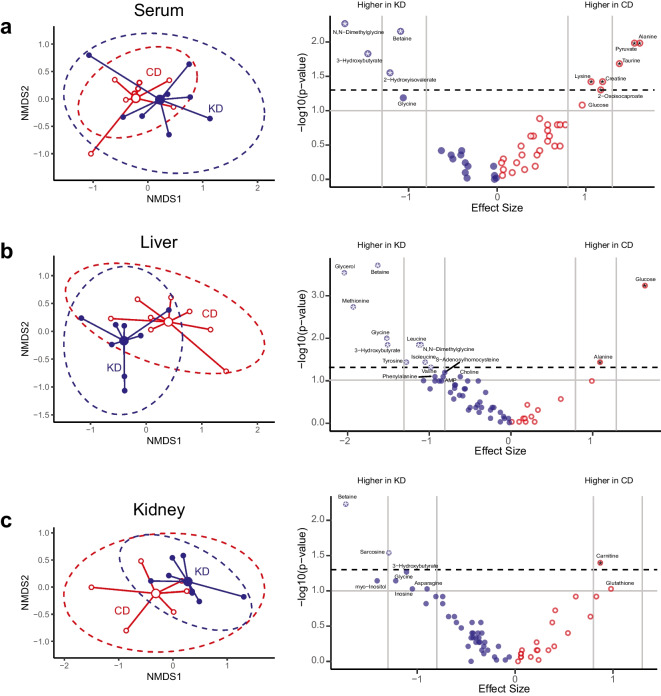
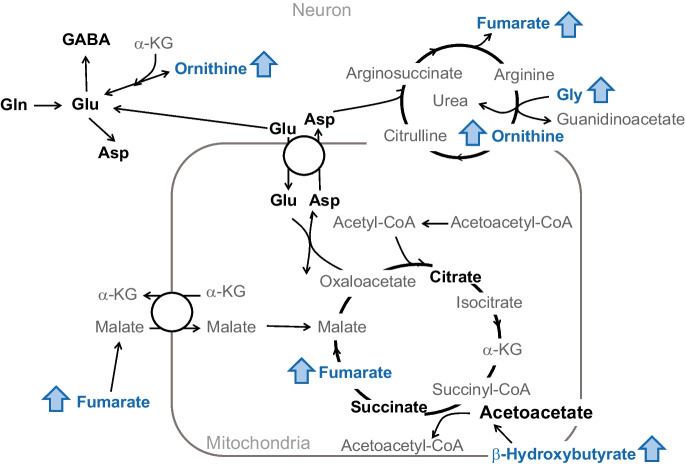
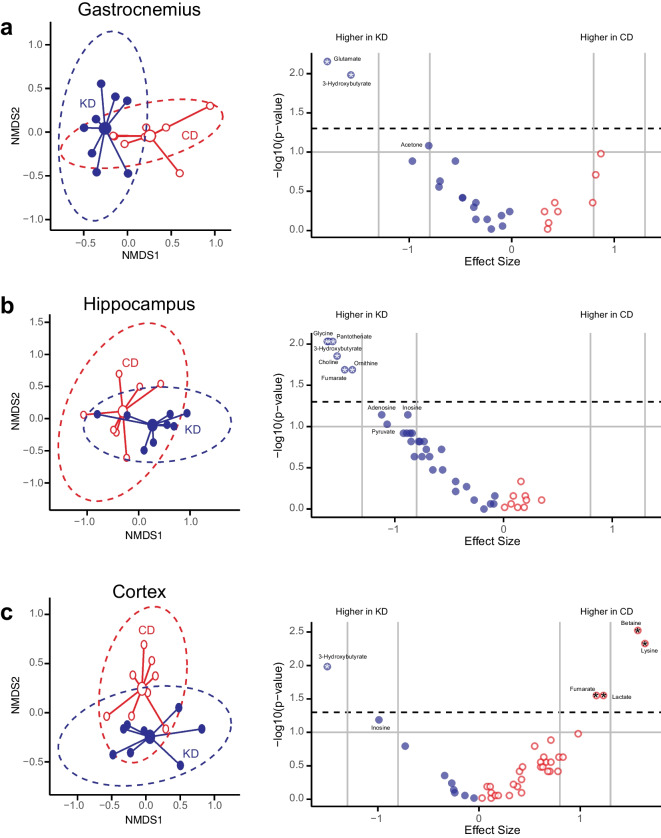
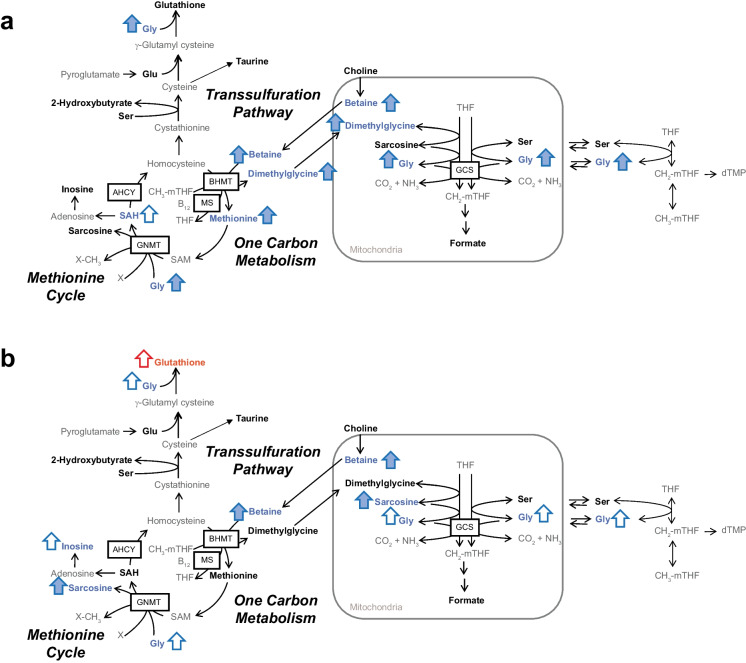
The ketogenic diet (KD) is a very low-carbohydrate, high-fat diet that reduces glucose catabolism and enhances β-oxidation and ketogenesis. While research in female rodents is limited, research in male rodents suggests that ketogenic interventions initiated at midlife may slow age-related cognitive decline, as well as preserve muscle mass and physical function later in life. This study aimed to investigate the effects of a KD on global metabolic changes in middle-aged females to inform potential mechanisms behind the anti-aging effects of this diet in an understudied sex. Targeted H-NMR metabolomics was conducted on serum, the liver, the kidney, and the gastrocnemius muscle, as well as the cortex and the hippocampal brain regions in 16-month-old female mice after a 2-month KD. Analysis of the serum and liver metabolome revealed that the 2-month KD resulted in increased concentrations of fatty acid catabolism metabolites, as well as system-wide elevations in ketones, consistent with the ketogenic phenotype. Metabolites involved in the glucose-alanine cycle were altered in the gastrocnemius muscle, serum and the liver. Other tissue-specific alterations were detected, including distinct effects on hepatic and renal one-carbon metabolism, as well as region specific differences in metabolism across hippocampal and cortical parts of the brain. Alterations to hippocampal metabolites involved in myelinogenesis could relate to the potential beneficial effects of a KD on memory.
生酮饮食(KD)是一种碳水化合物含量极低、脂肪含量高的饮食,可减少葡萄糖分解代谢,增强β-氧化和生酮作用。虽然对雌性啮齿动物的研究有限,但对雄性啮齿动物的研究表明,中年开始的生酮干预可能会减缓与年龄相关的认知衰退,并在晚年维持肌肉质量和身体功能。本研究旨在调查生酮饮食对中年雌性动物整体代谢变化的影响,以了解这种饮食在研究较少的性别中产生抗衰老作用的潜在机制。对16个月大的雌性小鼠进行2个月的生酮饮食后,对其血清、肝脏、肾脏、腓肠肌以及大脑皮层和海马体脑区进行了靶向氢核磁共振代谢组学分析。血清和肝脏代谢组分析显示,2个月的生酮饮食导致脂肪酸分解代谢产物浓度增加,以及全身酮体升高,与生酮表型一致。参与葡萄糖-丙氨酸循环的代谢产物在腓肠肌、血清和肝脏中发生了改变。还检测到了其他组织特异性变化,包括对肝脏和肾脏一碳代谢的不同影响,以及大脑海马体和皮层区域代谢的区域特异性差异。参与髓鞘形成的海马体代谢产物的改变可能与生酮饮食对记忆的潜在有益作用有关。