Saggu Daljeet Kaur, Udigala Madappa Nagamalesh, Sarkar Shantanu, Sathiyamoorthy Arunkumar, Dash Satyaprakash, P V R Mohan, Rajan Vinayakrishnan, Calambur Narasimahan
AIG Hospital, Hyderabad, India.
MS Ramaiah Hospital, Bengaluru, India.
Indian Pacing Electrophysiol J. 2024 Sep-Oct;24(5):282-290. doi: 10.1016/j.ipej.2024.08.003. Epub 2024 Aug 22.
Cardiac arrhythmia diagnostic yield improves with increased duration of monitoring. We investigated patient comfort, diagnostic quality of ECG, and arrhythmia diagnostic yield using a single lead longer term external cardiac monitor (ECM).
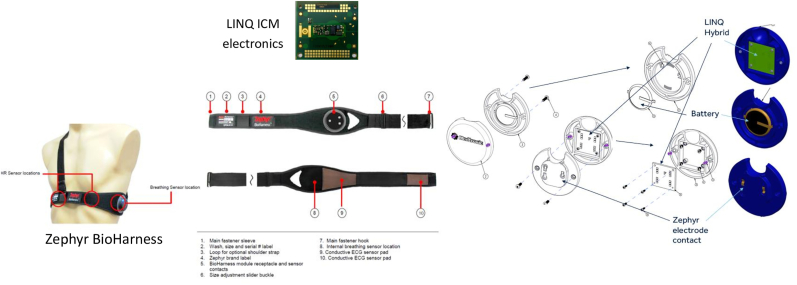
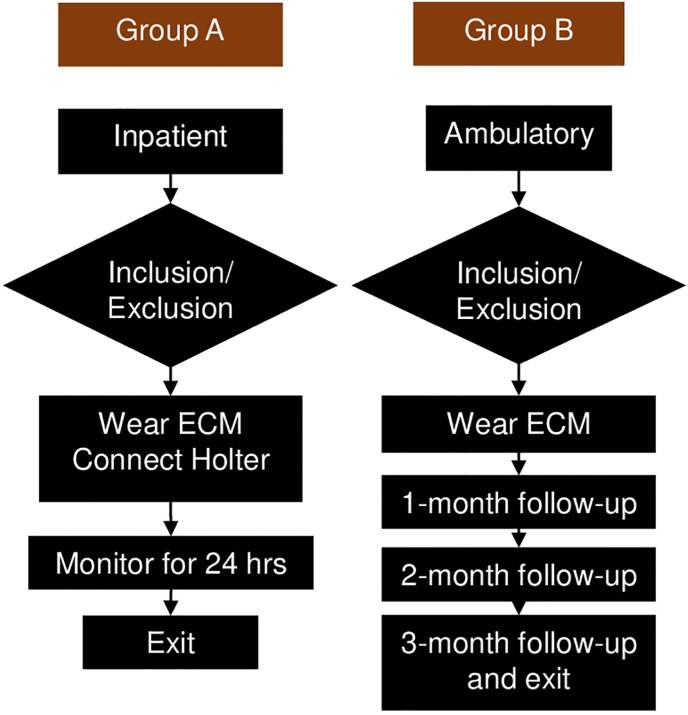
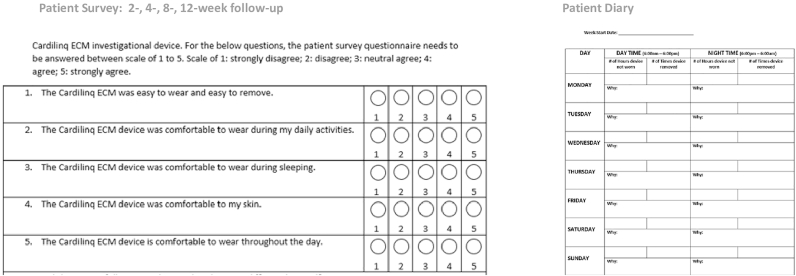
The observational ECM feasibility study enrolled patients with increased risk of cardiac arrhythmia. The ECM investigational prototype was designed using a chest strap with dry electrodes connected to module capable of triggered loop recording of ECG, and automatic detection of arrhythmia. In group-A of study (24-h inpatient), patients wore ECM and Holter that recorded ECG from the ECM and adhesive electrodes. In group-B of study (12-weeks ambulatory), at monthly follow-ups patients filled out a comfort survey and device stored arrhythmia episodes were reviewed.
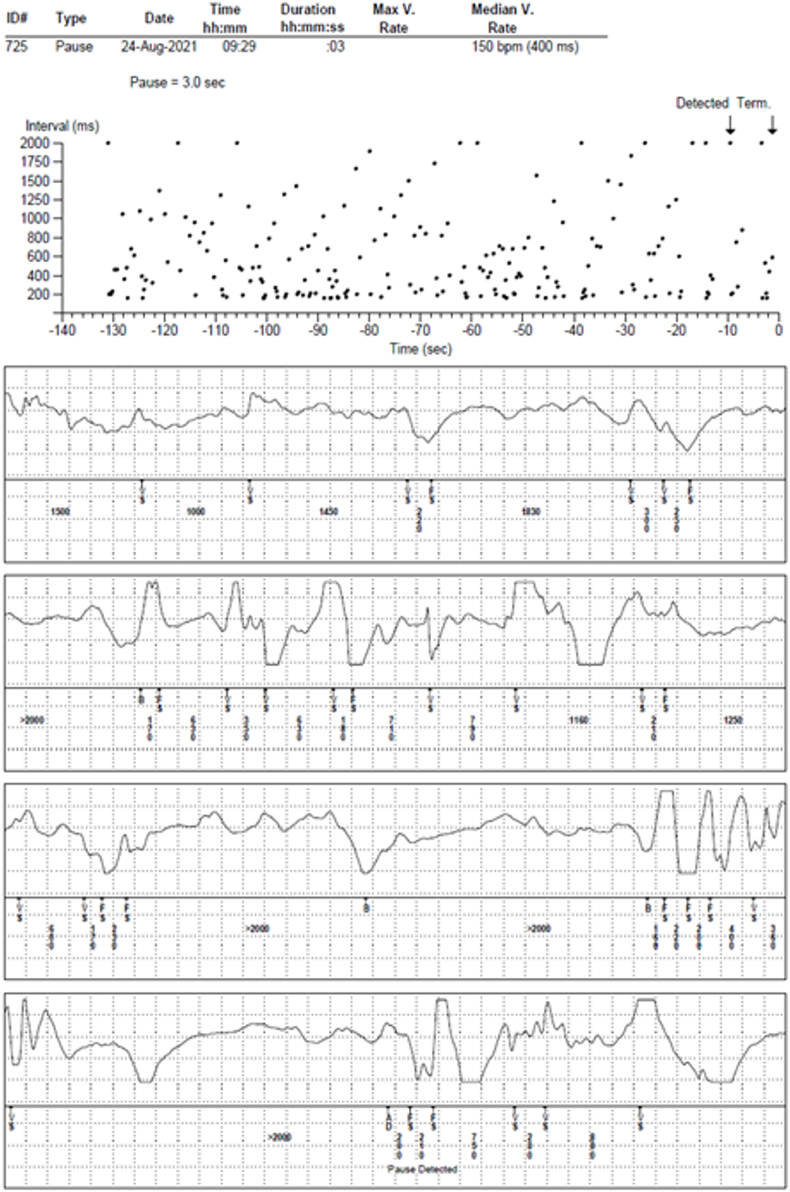
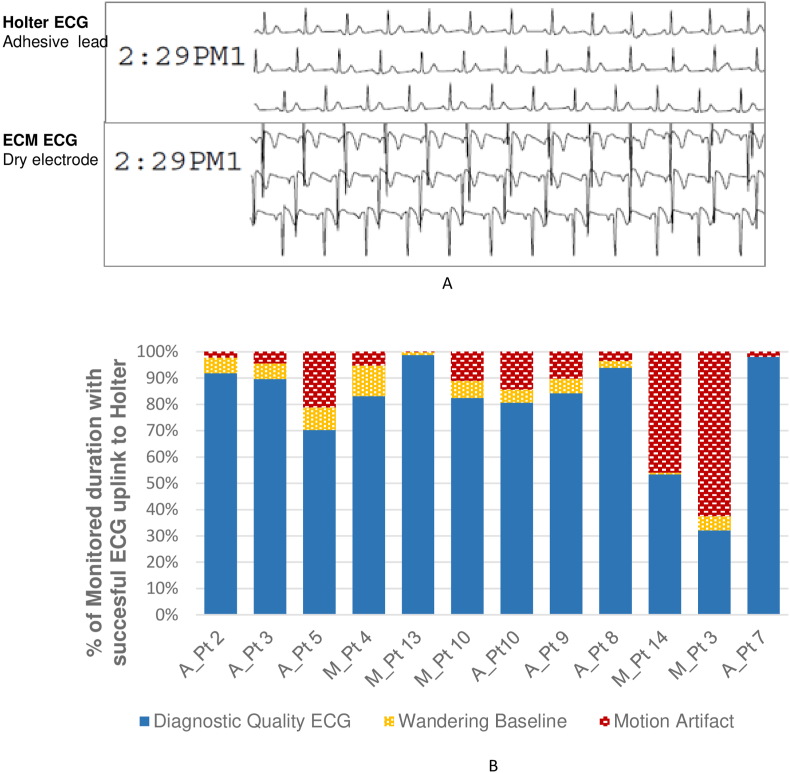
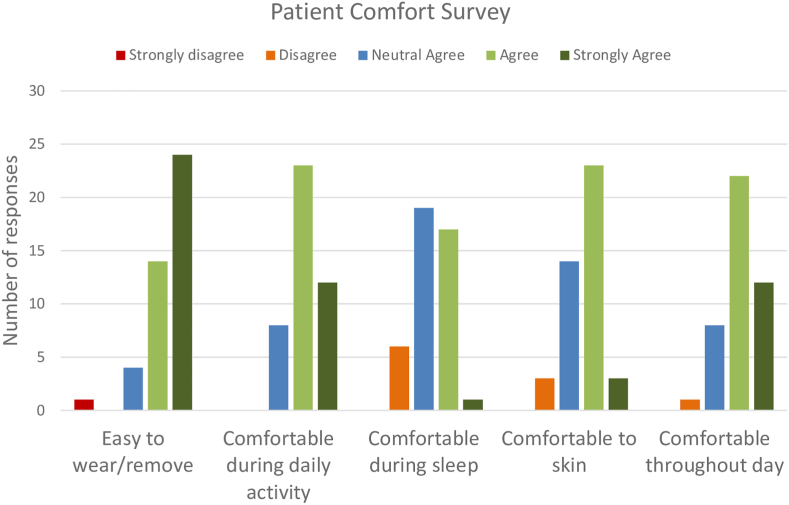
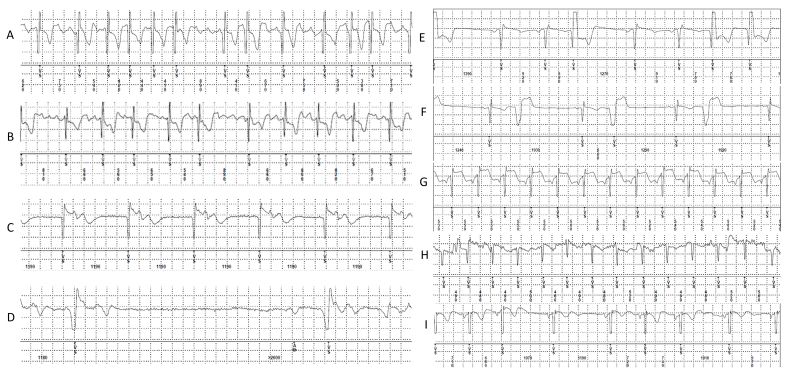
The study enrolled 34 patients (38 % females, average age 57.5 years, 65 % had palpitations, 12 % had syncope). Diagnostic quality ECG was recorded on 76.5 % of the monitoring duration in 12 of 20 patients with reviewable data in group-A, with motion artifacts causing loss in ECG signal for 18.7 % of the time. In 14 patients in group-B, 94.9 % of the survey responses indicated that ECM was comfortable to wear. Cardiac arrhythmia was observed in 4 of 17 patients (24 %) in group-A and 9 of 14 patients (64 %) in group-B in device recorded episodes. All ECM detected pause and tachycardia were inappropriate detections due to motion artifacts and temporary device removal.
The chest strap-based ECM device was mostly comfortable to wear and recorded diagnostic quality ECG in three-fourth of monitoring period. Cardiac arrhythmia was observed in 64 % of patients over 3-month monitoring along with large number of motion artifact induced inappropriate detections.
随着监测时间的延长,心律失常的诊断率会提高。我们使用单导联长期体外心脏监测仪(ECM)对患者舒适度、心电图诊断质量及心律失常诊断率进行了研究。
这项观察性ECM可行性研究纳入了心律失常风险增加的患者。ECM研究原型采用胸部束带设计,带有与能够触发心电图循环记录及自动检测心律失常的模块相连的干电极。在研究的A组(24小时住院患者)中,患者佩戴ECM和动态心电图监测仪,后者从ECM及粘贴电极记录心电图。在研究的B组(12周门诊患者)中,在每月随访时患者填写舒适度调查问卷,并对设备存储的心律失常发作情况进行回顾。
该研究纳入了34例患者(38%为女性,平均年龄57.5岁,65%有心悸症状,12%有晕厥症状)。A组20例有可审查数据的患者中,12例在76.5%的监测时间内记录到了诊断质量的心电图,运动伪差导致心电图信号丢失的时间占18.7%。在B组的14例患者中,94.9%的调查问卷回复表明佩戴ECM很舒适。在设备记录的发作情况中,A组17例患者中有4例(24%)、B组14例患者中有9例(64%)观察到心律失常。所有ECM检测到的停搏和心动过速均因运动伪差和临时移除设备而出现不恰当检测。
基于胸部束带的ECM设备佩戴大多舒适,在四分之三的监测期内记录到了诊断质量的心电图。在超过3个月的监测中,64%的患者观察到心律失常,同时有大量运动伪差导致的不恰当检测。