Roohi Zahra, Mighri Frej, Zhang Ze
Department of Chemical Engineering, Faculty of Sciences and Engineering, Université Laval, Quebec, QC G1V 0A6, Canada.
Division of Regenerative Medicine, Saint-François d'Assise Hospital, Research Center of CHU de Québec-Université Laval, Quebec, QC G1L 3L5, Canada.
Materials (Basel). 2024 Aug 20;17(16):4126. doi: 10.3390/ma17164126.
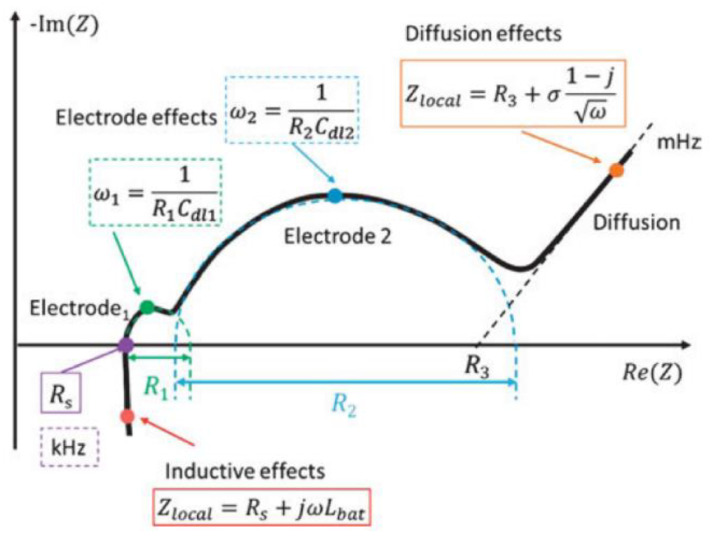
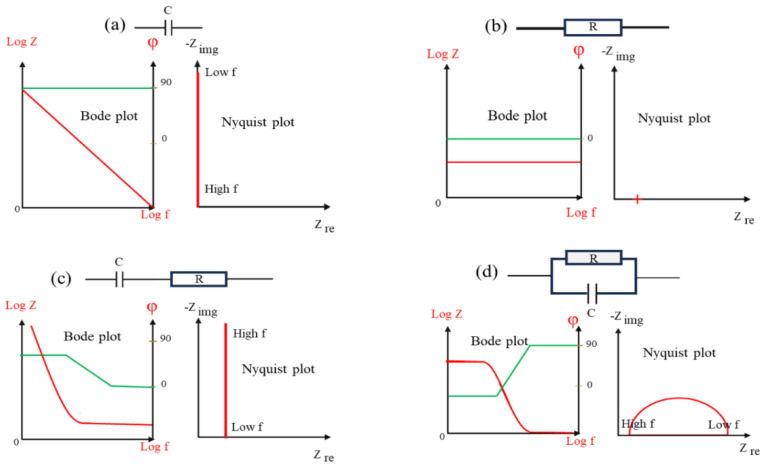
New materials and the interactions between them are the basis of novel energy storage devices such as supercapacitors and batteries. In recent years, because of the increasing demand for electricity as an energy source, the development of new energy storage materials is among the most actively studied topics. Conductive polymers (CPs), because of their intrinsic electrochemical activity and electrical conductivity, have also been intensively explored. While most of the high capacitance reported in the literature comes from hybrid materials, for example, conductive polymers composed of metal oxides and carbon materials, such as graphene and carbon nanotubes, new chemistry and the 3D structure of conductive polymers remain critical. This comprehensive review focuses on the basic properties of three popular conductive polymers and their composites with carbon materials and metal oxides that have been actively explored as energy storage materials, i.e., polypyrrole (PPy), polyaniline (PANi), and polythiophene (PTh), and various types of electrolytes, including aqueous, organic, quasi-solid, and self-healing electrolytes. Important experimental parameters affecting material property and morphology are also discussed. Electrochemical and analytical techniques frequently employed in material and supercapacitor research are presented. In particular, cyclic voltammetry (CV) and electrochemical impedance spectroscopy (EIS) are discussed in detail, including how to extract data from spectra to calculate key parameters. Pros and cons of CP-based supercapacitors are discussed together with their potential applications.
新材料及其之间的相互作用是超级电容器和电池等新型储能装置的基础。近年来,由于作为能源的电力需求不断增加,新型储能材料的开发成为研究最为活跃的课题之一。导电聚合物(CPs)因其固有的电化学活性和导电性,也受到了广泛的探索。虽然文献中报道的大多数高电容来自混合材料,例如由金属氧化物和碳材料(如石墨烯和碳纳米管)组成的导电聚合物,但导电聚合物的新化学性质和三维结构仍然至关重要。这篇综述聚焦于三种常见的导电聚合物及其与碳材料和金属氧化物的复合材料的基本性质,这些材料作为储能材料受到了积极探索,即聚吡咯(PPy)、聚苯胺(PANi)和聚噻吩(PTh),以及各种类型的电解质,包括水性、有机、准固态和自修复电解质。还讨论了影响材料性质和形态的重要实验参数。介绍了材料和超级电容器研究中常用的电化学和分析技术。特别是,详细讨论了循环伏安法(CV)和电化学阻抗谱(EIS),包括如何从光谱中提取数据以计算关键参数。讨论了基于导电聚合物的超级电容器的优缺点及其潜在应用。