Wang Lihui, Zhang Weijun, Dai Simin, Gao Yuan, Zhu Cheng, Yu Yuetian
Department of Critical Care Medicine, Renji Hospital, Shanghai Jiao Tong University, School of Medicine, Shanghai, China.
Department of Disease Prevention and Control, Ruijin Hospital, Shanghai Jiao Tong University, School of Medicine, Shanghai, China.
Front Med (Lausanne). 2024 Aug 21;11:1409409. doi: 10.3389/fmed.2024.1409409. eCollection 2024.
The objective of the study is to investigate the changes in the composition of intestinal microecology in severe acute pancreatitis (SAP) patients with or without intra-abdominal infection and also to analyze the expression of antibiotic resistance genes to provide evidence for early warning of infectious diseases and the rational use of antibiotics.
Twenty patients with SAP were enrolled in the study. According to whether the enrolled patients had a secondary intra-abdominal infection, they were divided into two groups, each consisting of 10 patients. Stool specimens were collected when the patients were admitted to the emergency intensive care unit (EICU), and nucleic acid extraction was performed. Next-generation gene sequencing was used to compare the differences in intestinal microflora diversity and drug resistance gene expression between the two groups.
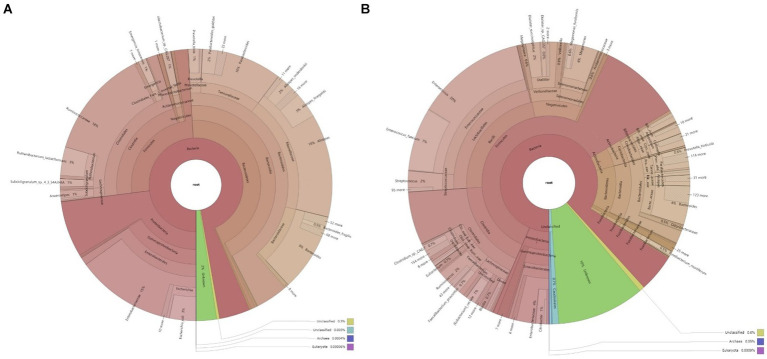
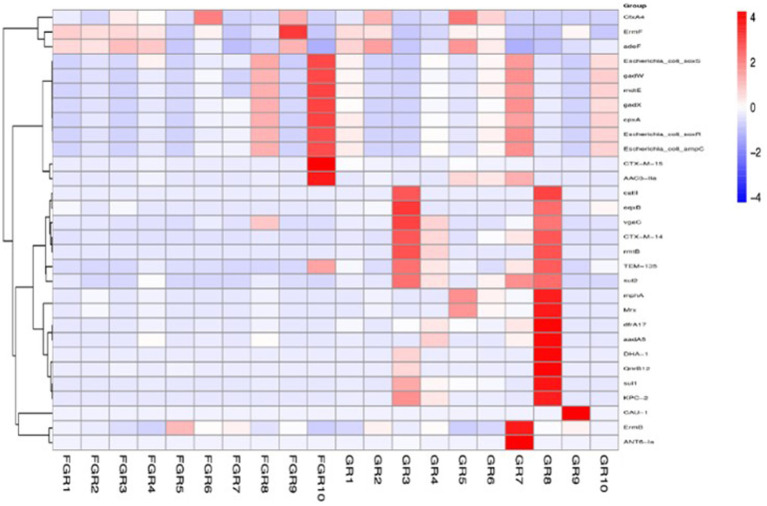
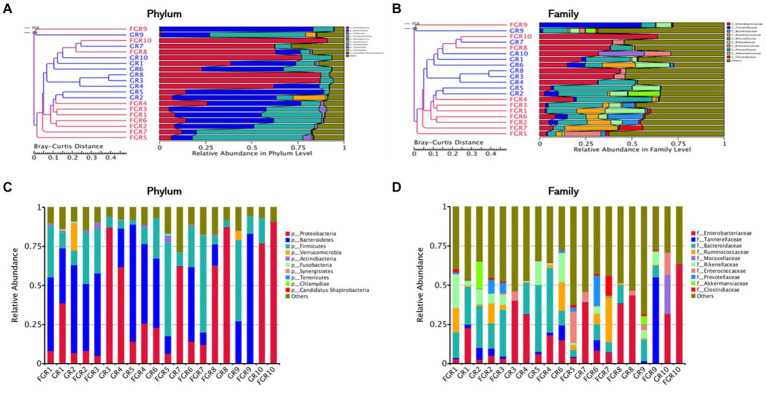
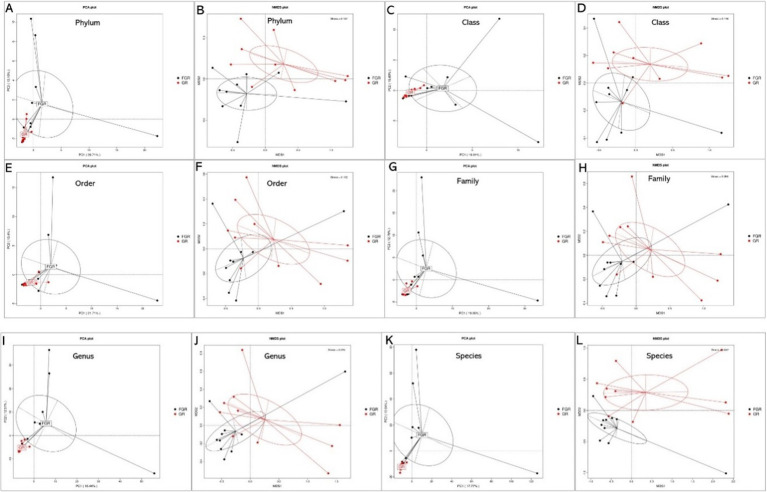
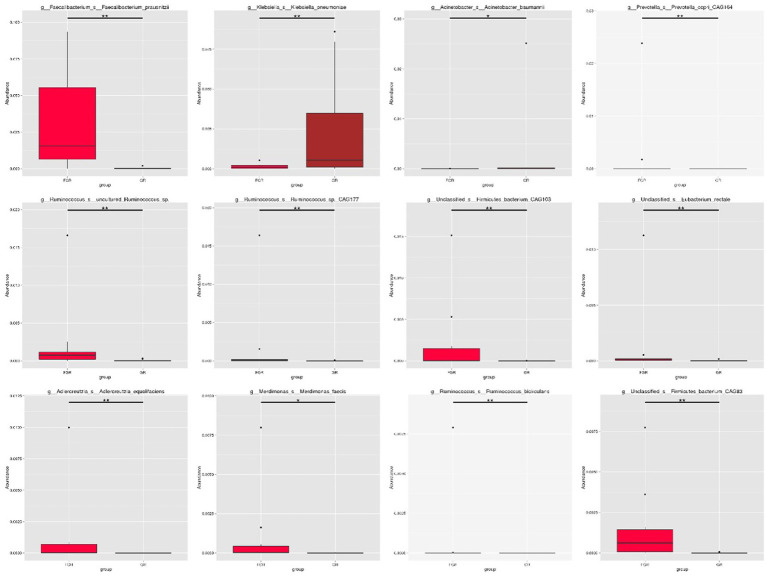
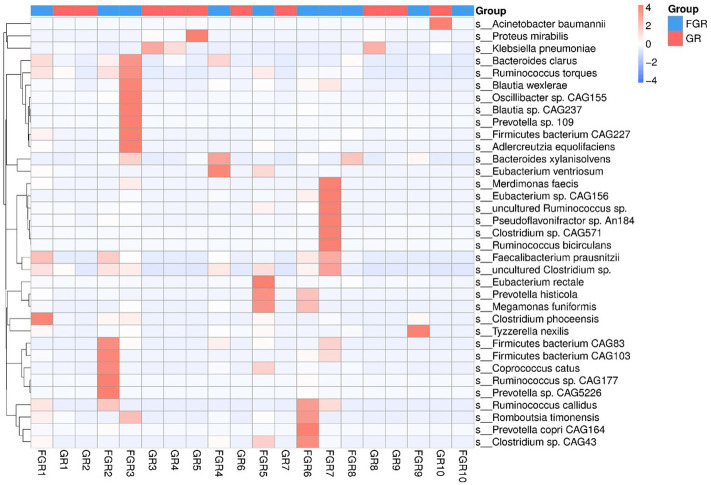
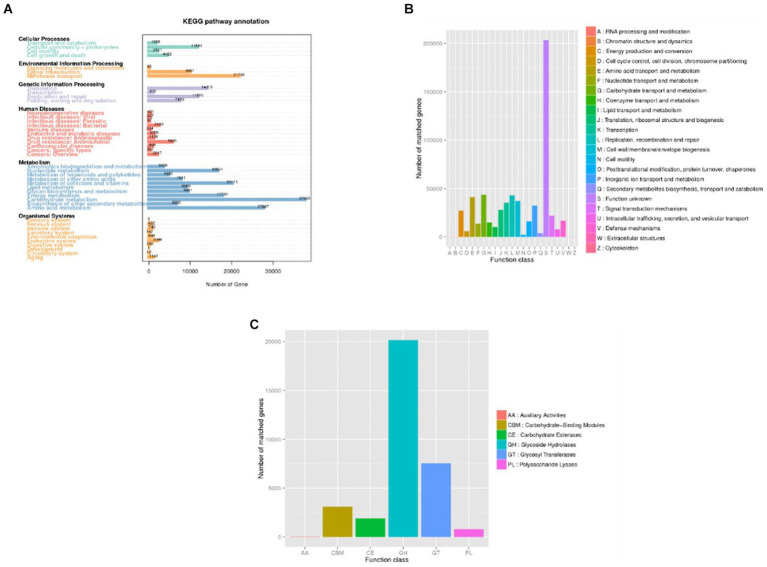
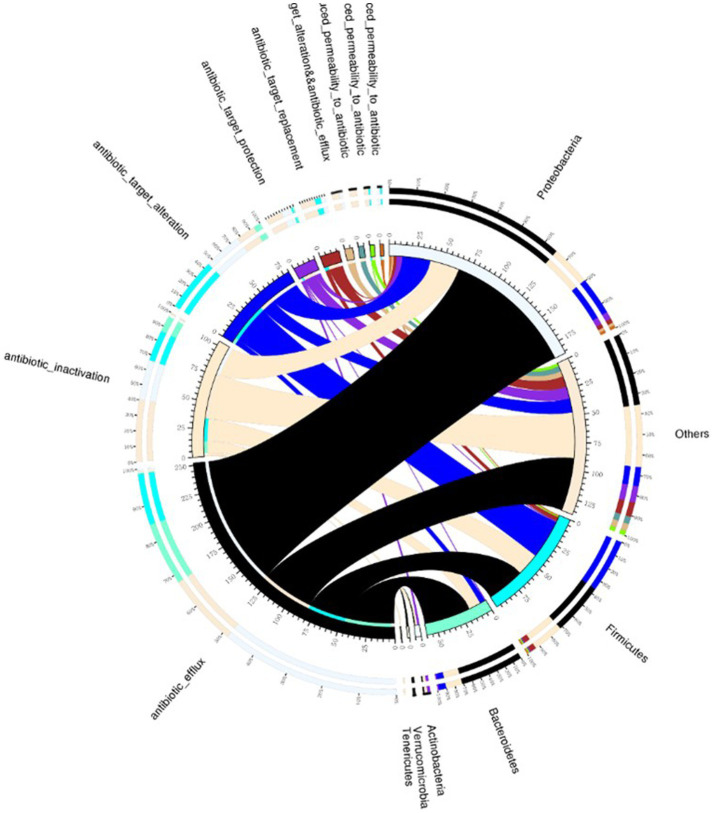
The gut microbiota of patients in the infection group exhibited distribution on multiple clustered branches with some intra-group heterogeneity, and their flora diversity was compromised. The infected group showed an enrichment of various opportunistic bacteria in the gut microbiota, along with a high number of metabolic functions, stress functions to external signals, and genes associated with pathogenesis. Drug resistance genes were expressed in the gut microbiota of both groups, but their abundance was significantly lower in the non-infected group.
The intestinal microbiota of patients in the infection group exhibited distribution on multiple clustered branches with some intra-group heterogeneity, and their flora diversity was compromised. Additionally, drug resistance genes were expressed in the gut microbiota of both groups, although their abundance was significantly lower in the non-infected group.
本研究旨在调查伴有或不伴有腹腔内感染的重症急性胰腺炎(SAP)患者肠道微生态组成的变化,并分析抗生素耐药基因的表达情况,为传染病的早期预警和抗生素的合理使用提供依据。
本研究纳入20例SAP患者。根据入选患者是否发生继发性腹腔内感染,将其分为两组,每组10例。患者入住急诊重症监护病房(EICU)时采集粪便标本,并进行核酸提取。采用二代基因测序比较两组肠道微生物群多样性和耐药基因表达的差异。
感染组患者的肠道微生物群在多个聚类分支上分布,组内存在一定异质性,其菌群多样性受损。感染组肠道微生物群中各种机会性细菌富集,同时具有大量代谢功能、对外界信号的应激功能以及与发病机制相关的基因。两组患者的肠道微生物群中均有耐药基因表达,但非感染组的丰度明显较低。
感染组患者的肠道微生物群在多个聚类分支上分布,组内存在一定异质性,其菌群多样性受损。此外,两组患者的肠道微生物群中均有耐药基因表达,尽管非感染组的丰度明显较低。