Bhardwaj Priya, Kim SeongKi, Koul Apeksha, Kumar Yogesh, Changela Ankur, Shafi Jana, Ijaz Muhammad Fazal
Department of Computer Science and Engineering (CSE), Tula's Institute, Dehradun, India.
Department of Computer Science and Engineering (CSE), School of Technology, Pandit Deendayal Energy University, Gandhinagar, India.
Front Oncol. 2024 Sep 16;14:1431912. doi: 10.3389/fonc.2024.1431912. eCollection 2024.
The rapid advancement of science and technology has significantly expanded the capabilities of artificial intelligence, enhancing diagnostic accuracy for gastric cancer.
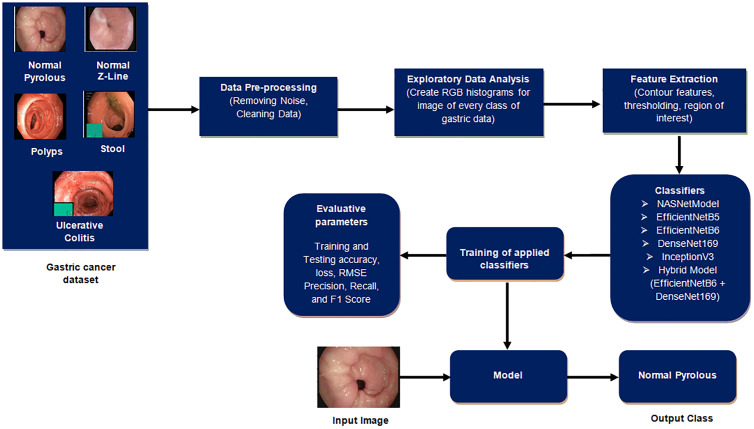
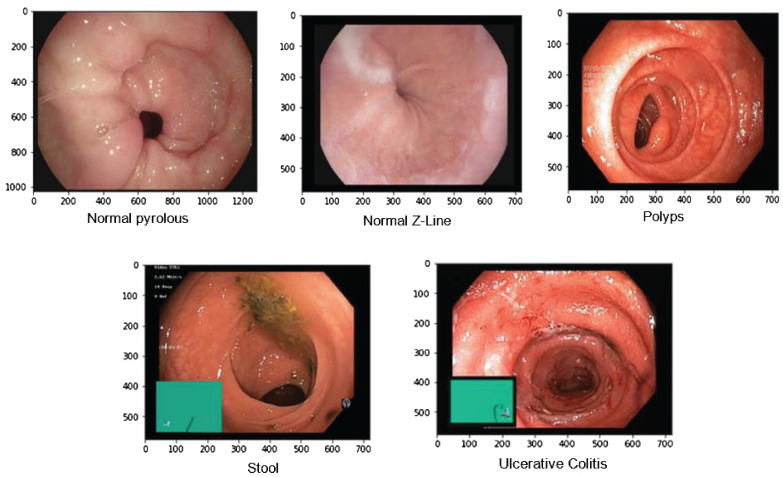
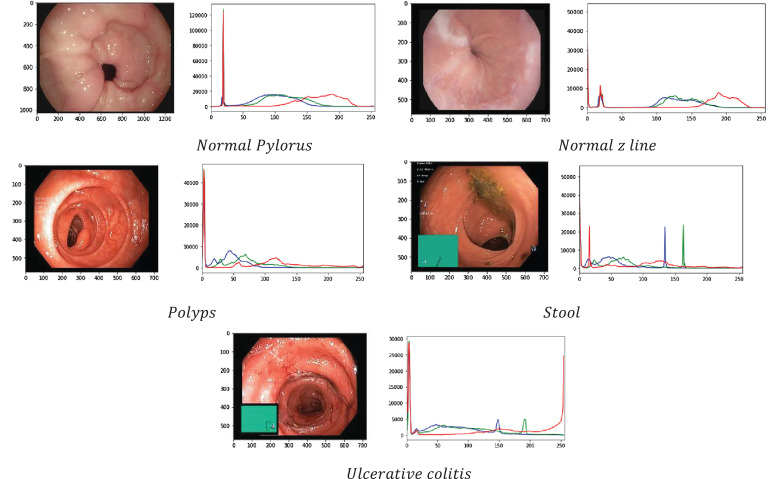
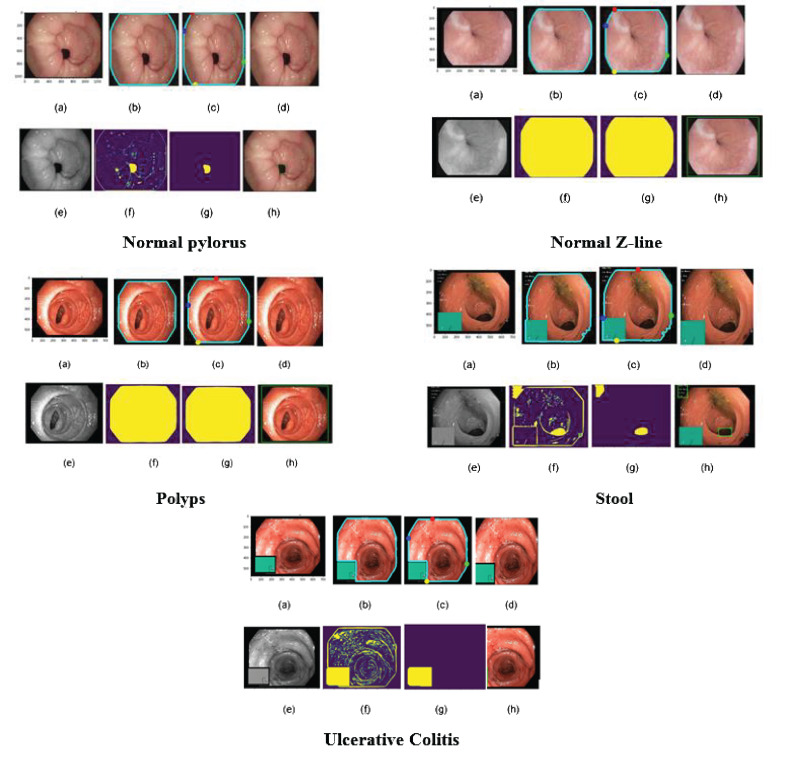
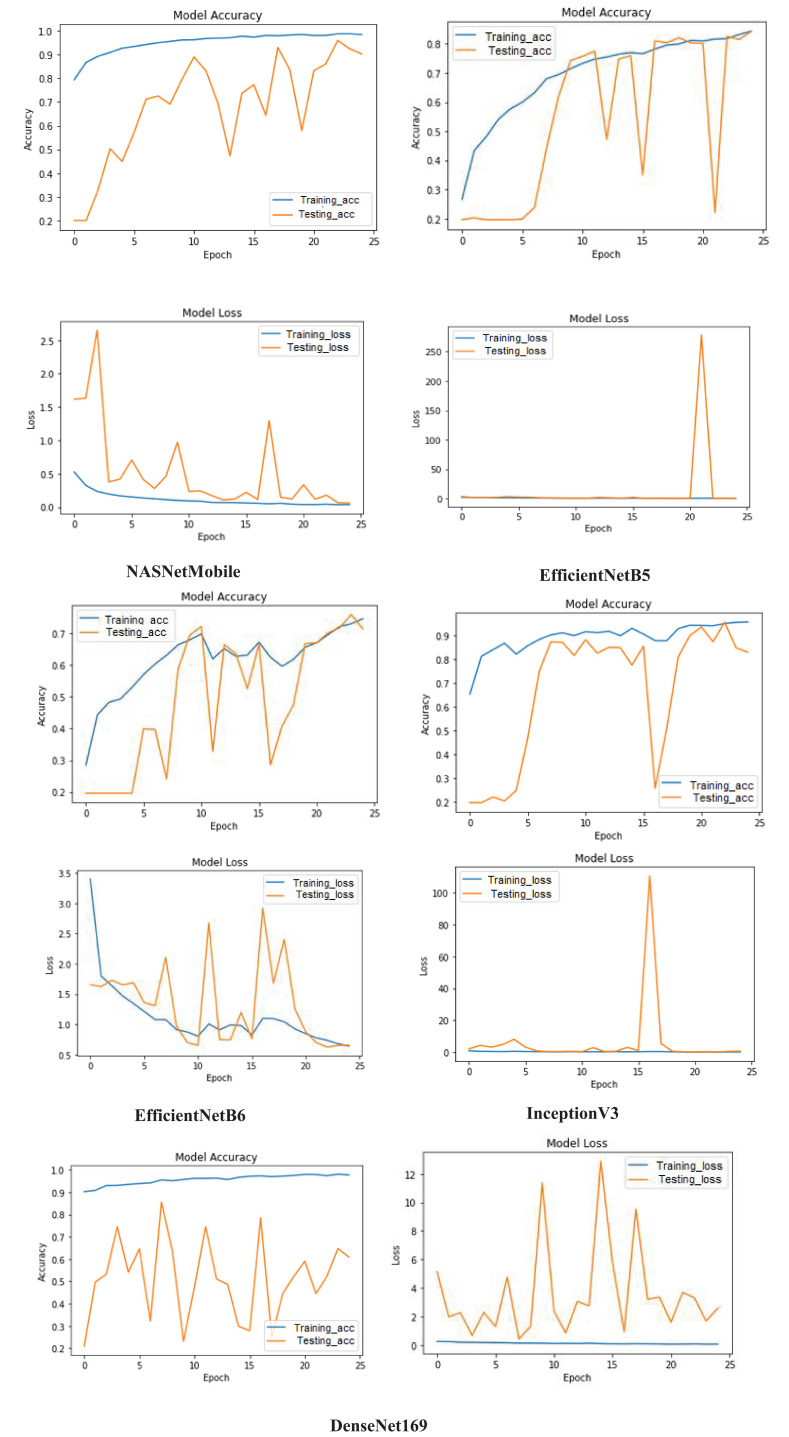
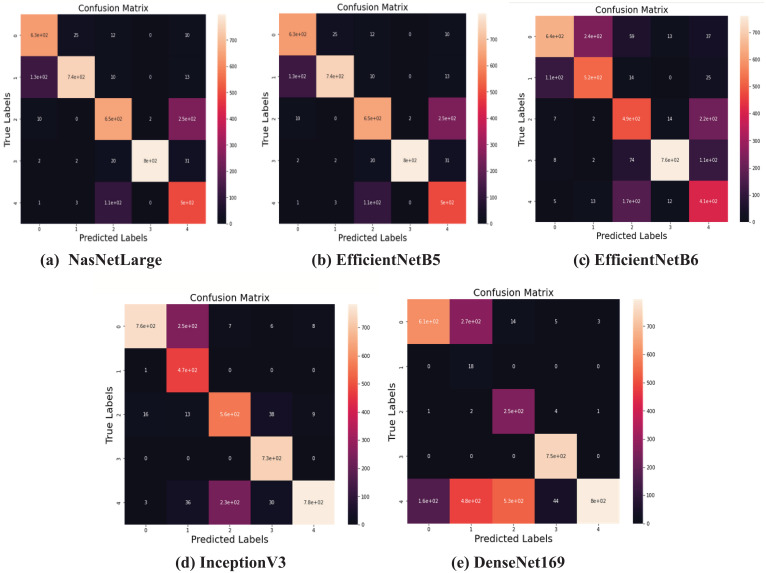
This research aims to utilize endoscopic images to identify various gastric disorders using an advanced Convolutional Neural Network (CNN) model. The Kvasir dataset, comprising images of normal Z-line, normal pylorus, ulcerative colitis, stool, and polyps, was used. Images were pre-processed and graphically analyzed to understand pixel intensity patterns, followed by feature extraction using adaptive thresholding and contour analysis for morphological values. Five deep transfer learning models-NASNetMobile, EfficientNetB5, EfficientNetB6, InceptionV3, DenseNet169-and a hybrid model combining EfficientNetB6 and DenseNet169 were evaluated using various performance metrics.
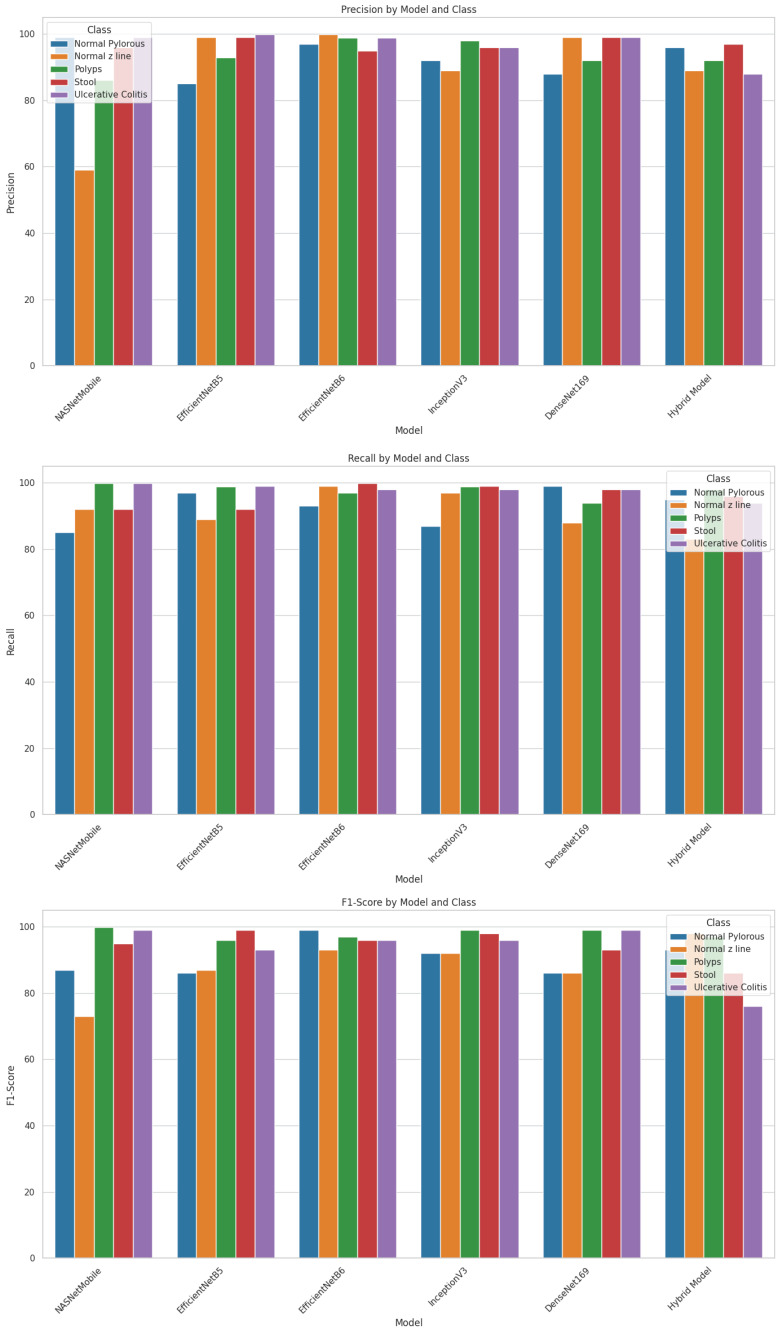
RESULTS & DISCUSSION: For the complete images of gastric cancer, EfficientNetB6 computed the top performance with 99.88% accuracy on a loss of 0.049. Additionally, InceptionV3 achieved the highest testing accuracy of 97.94% for detecting normal pylorus, while EfficientNetB6 excelled in detecting ulcerative colitis and normal Z-line with accuracies of 98.8% and 97.85%, respectively. EfficientNetB5 performed best for polyps and stool with accuracies of 98.40% and 96.86%, respectively.The study demonstrates that deep transfer learning techniques can effectively predict and classify different types of gastric cancer at early stages, aiding experts in diagnosis and detection.
科学技术的飞速发展极大地扩展了人工智能的能力,提高了胃癌的诊断准确性。
本研究旨在利用先进的卷积神经网络(CNN)模型,通过内镜图像识别各种胃部疾病。使用了Kvasir数据集,该数据集包含正常Z线、正常幽门、溃疡性结肠炎、粪便和息肉的图像。对图像进行预处理并进行图形分析,以了解像素强度模式,然后使用自适应阈值处理和形态学值的轮廓分析进行特征提取。使用各种性能指标对五个深度迁移学习模型——NASNetMobile、EfficientNetB5、EfficientNetB6、InceptionV3、DenseNet169——以及结合EfficientNetB6和DenseNet169的混合模型进行了评估。
对于胃癌的完整图像,EfficientNetB6在损失为0.049的情况下,以99.88%的准确率计算出最高性能。此外,InceptionV3在检测正常幽门方面达到了97.94%的最高测试准确率,而EfficientNetB6在检测溃疡性结肠炎和正常Z线方面表现出色,准确率分别为98.8%和97.85%。EfficientNetB5在息肉和粪便检测方面表现最佳,准确率分别为98.40%和96.86%。该研究表明,深度迁移学习技术可以有效地在早期阶段预测和分类不同类型的胃癌,帮助专家进行诊断和检测。