Pino-Ramos Liudis L, Farias Dafne Reyes, Olivares-Caro Lia, Mitsi Christina, Mardones Claudia, Echeverria Javier, Avila Felipe, Gutierrez Margarita
Instituto de Investigación Interdisciplinaria, Universidad de Talca, Talca, 3460000, Chile.
Instituto de Química de Recursos Naturales, Universidad de Talca, Talca, 3460000, Chile.
Heliyon. 2024 Oct 2;10(19):e38837. doi: 10.1016/j.heliyon.2024.e38837. eCollection 2024 Oct 15.
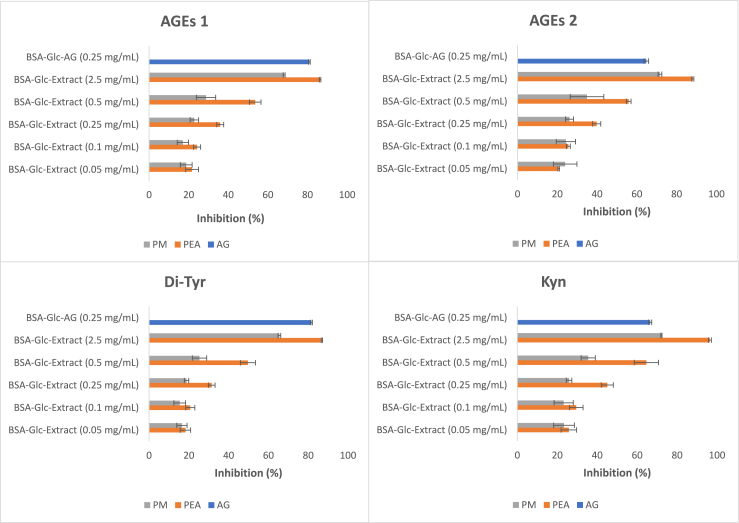
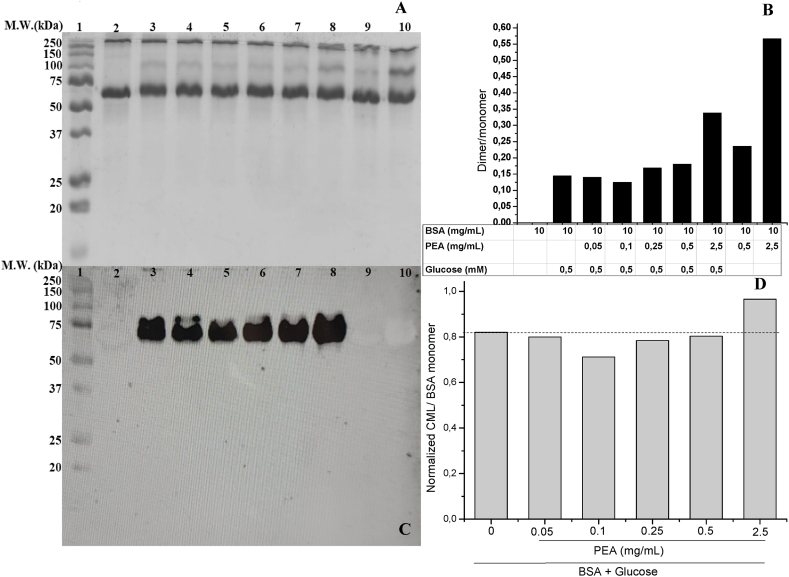
The Chilean papaya ( A.DC.) is a climacteric fruit that grows in the north and center of Chile. During its processing, residues formed mainly by mucilage and seeds are produced and mostly discarded, despite being a potential source of bioactive metabolites. This work aimed to apply untargeted metabolic analysis by HPLC-DAD-QToF to study the chemical composition of ethyl acetate and methanol extracts from Chilean papaya residues and evaluate their antioxidant and antiglycation capacities. Twenty-three metabolites were tentatively identified in papaya residues, including one carboxylic acid, one glycosylated hydroquinone, four flavan-3-ols, three proanthocyanidins, twelve glycosylated flavonols, one carbohydrate, and one alkaloid reported for the first time. The antioxidant capacity measured as the scavenging of DPPH and ABTS radicals was comparable with that of ascorbic acid. Chilean papaya extracts decreased fluorescent Advanced Glycation End (AGE) products and oxidative modifications in proteins induced by glucose.
智利番木瓜(A.DC.)是一种跃变型果实,生长于智利北部和中部。在其加工过程中,会产生主要由黏液和种子构成的残渣,尽管这些残渣是生物活性代谢物的潜在来源,但大多被丢弃。本研究旨在通过HPLC-DAD-QToF进行非靶向代谢分析,以研究智利番木瓜残渣的乙酸乙酯提取物和甲醇提取物的化学成分,并评估其抗氧化和抗糖化能力。在番木瓜残渣中初步鉴定出23种代谢物,包括一种羧酸、一种糖基化对苯二酚、四种黄烷-3-醇、三种原花青素、十二种糖基化黄酮醇、一种碳水化合物以及首次报道的一种生物碱。以清除DPPH和ABTS自由基来衡量的抗氧化能力与抗坏血酸相当。智利番木瓜提取物可减少荧光晚期糖基化终产物(AGE)以及葡萄糖诱导的蛋白质氧化修饰。