Department of Odontology, Faculty of Health and Medical Sciences, University of Copenhagen, Nørre Allé 20, 2200 Copenhagen, Denmark.
Int J Environ Res Public Health. 2024 Oct 3;21(10):1316. doi: 10.3390/ijerph21101316.
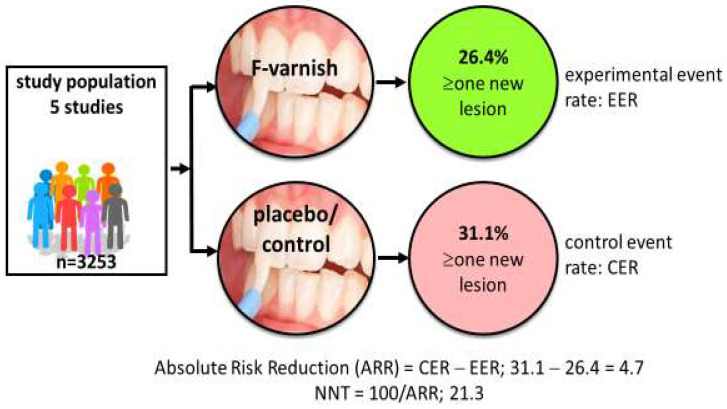
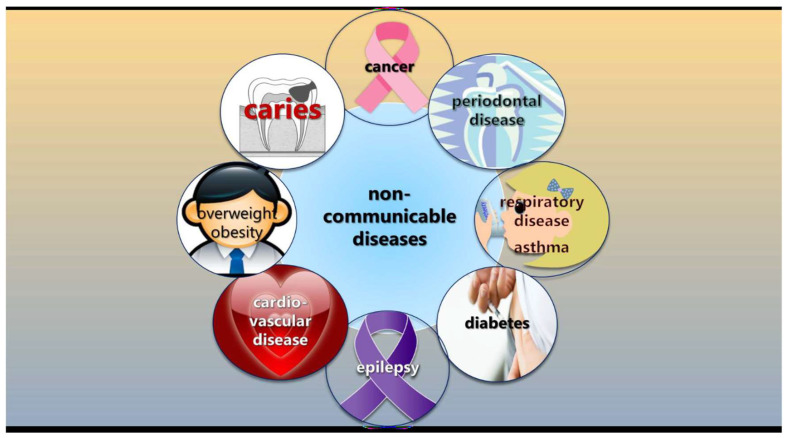
Caries is among the most common non-communicable diseases worldwide, yet it is commonly described as preventable. Caries prevention is, however, difficult and complex, since the disease has strong social, parental, behavioral, political, medical/genetic, and psychological elements, and the payment models are targeted at traditional conservative care. The aim of this paper is to discuss some key issues that make caries prevention in children be perceived as "difficult": i) the communication gap between researchers and clinicians, creating unrealistic expectations of intervention efficacy; ii) the skewed distribution of caries and the problem of reaching children with the highest need; iii) limited access to care, which is a threat to oral health, in particular in low-socioeconomic-status, underserviced, and remote communities; and iv) the need to adopt behavior change models to affect the modifiable risk factors that are shared with other non-communicable diseases. Dentists cannot simply rely on fluoride exposure; proper education and training in caries risk assessment, behavior change models targeted at oral hygiene and sugar intake, and collaboration with primary healthcare and local school authorities are avenues that aid in caries prevention and reduce the uneven burden of the disease. Online education and mobile apps may help to promote oral health in areas with shortages of dental work force.
龋齿是全球最常见的非传染性疾病之一,但通常被认为是可预防的。然而,龋齿的预防具有一定难度,因为它涉及到社会、家长、行为、政治、医学/遗传和心理等多个方面,且支付模式针对的是传统的保守治疗。本文旨在讨论一些使儿童龋齿预防被视为“困难”的关键问题:i)研究人员和临床医生之间的沟通障碍,导致干预效果的预期不切实际;ii)龋齿的分布不均以及难以接触到最需要的儿童的问题;iii)获得医疗服务的机会有限,这对口腔健康构成了威胁,尤其是在社会经济地位较低、服务不足和偏远的社区;iv)需要采用行为改变模型来影响与其他非传染性疾病共有的可改变的风险因素。牙医不能仅仅依赖氟化物暴露;在龋齿风险评估、针对口腔卫生和糖摄入量的行为改变模型、以及与初级医疗保健和当地学校当局的合作方面进行适当的教育和培训,是有助于预防龋齿和减轻疾病不均衡负担的途径。在线教育和移动应用程序可能有助于促进劳动力短缺地区的口腔健康。