Fiedler Heidelore
Örebro University, School of Science and Technology, MTM Research Centre, 702 18 Örebro, Sweden.
Environ Health (Wash). 2023 May 30;1(1):41-52. doi: 10.1021/envhealth.3c00020. eCollection 2023 Jul 21.
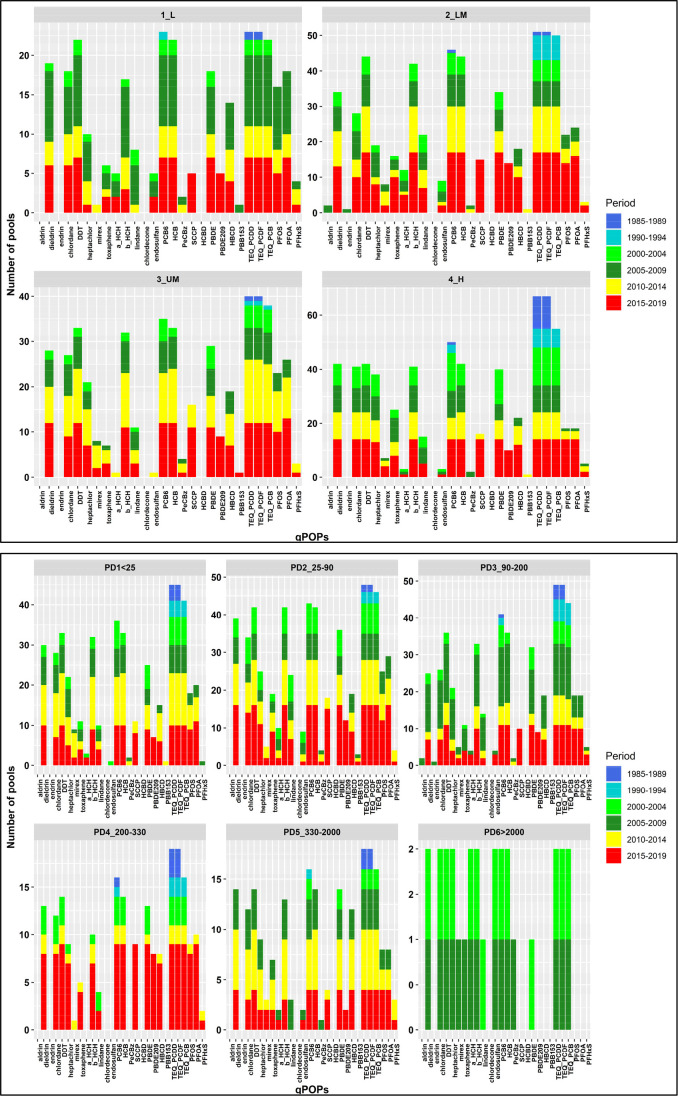
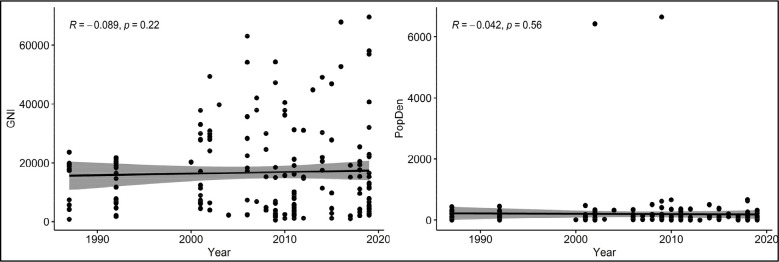
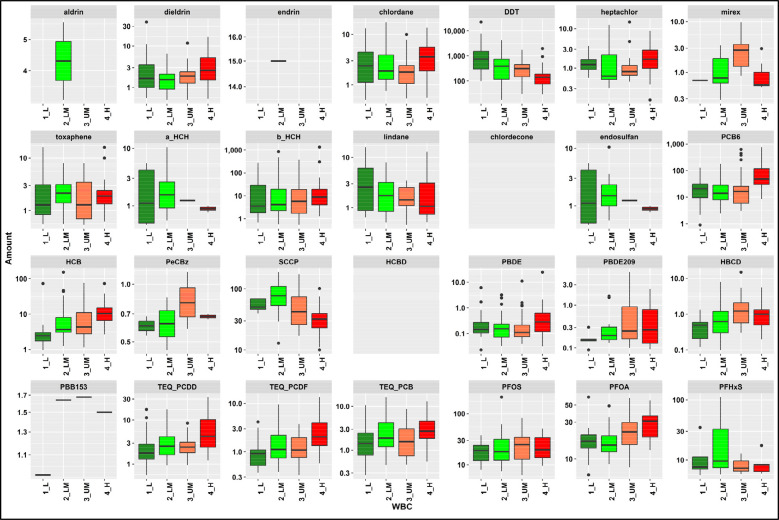
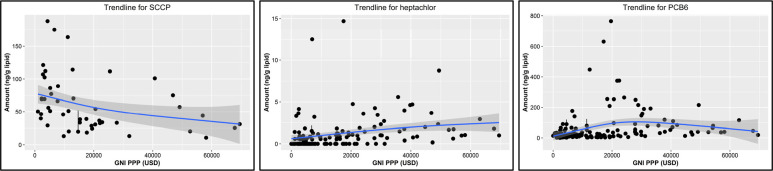
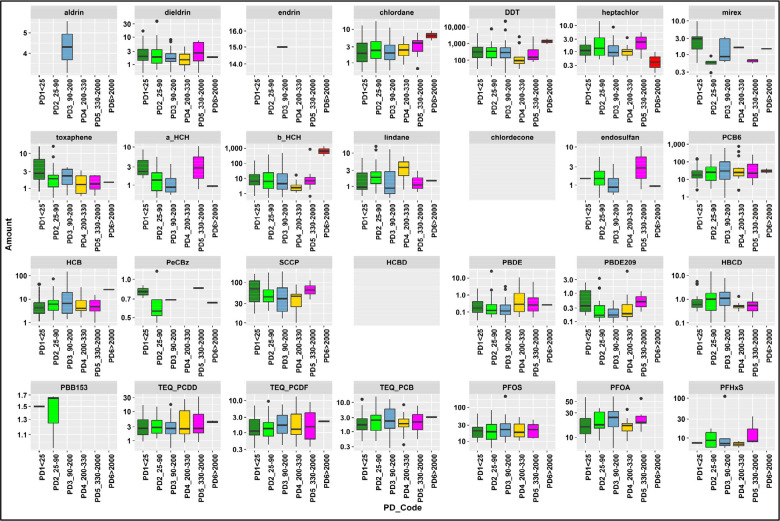
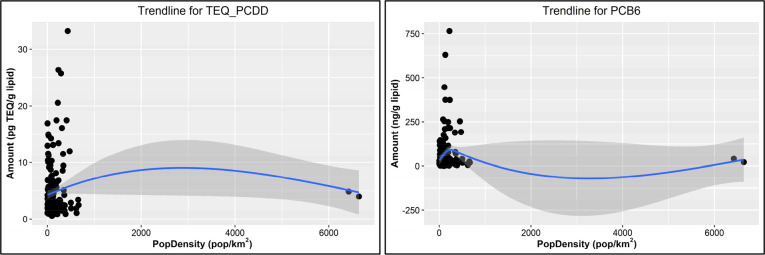
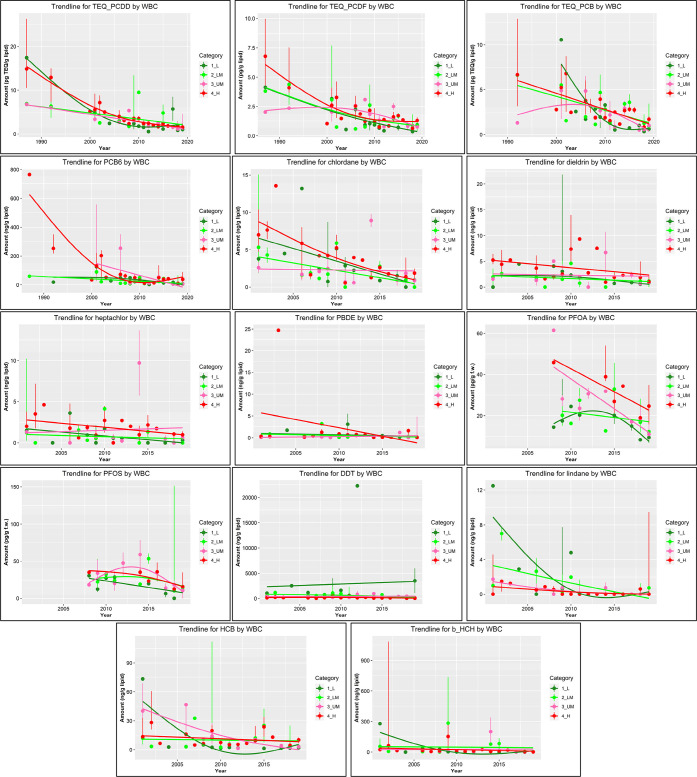
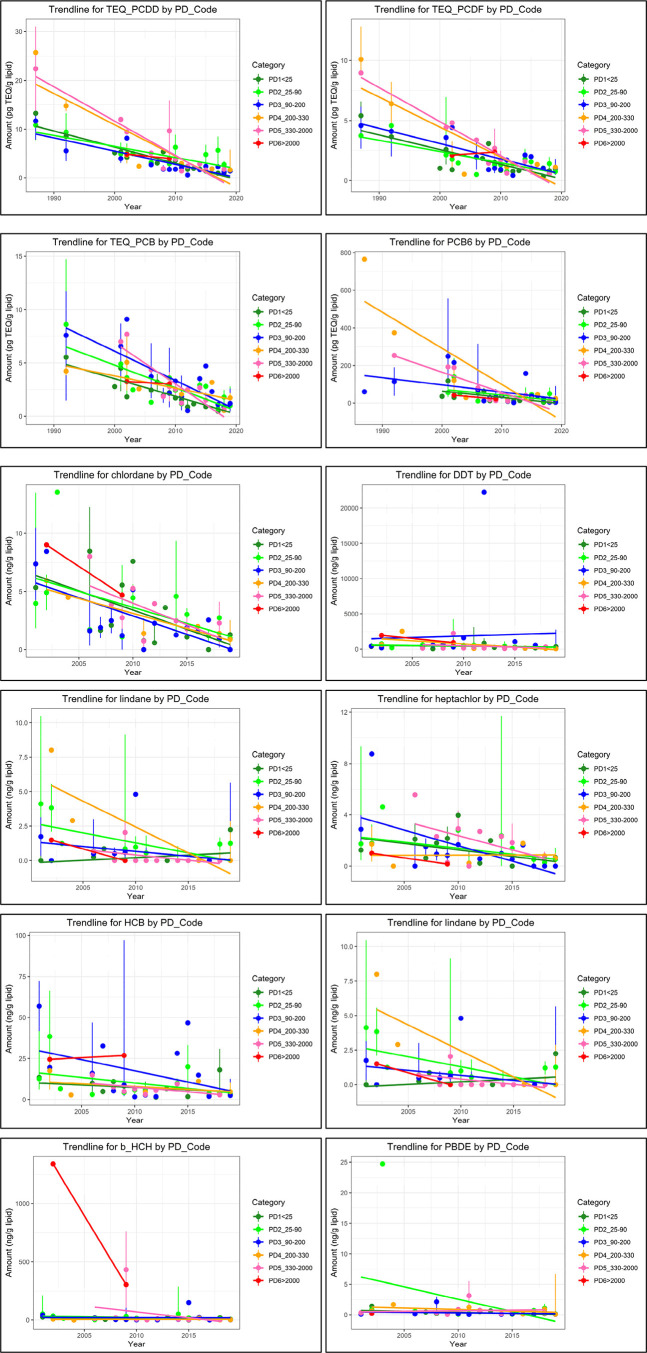
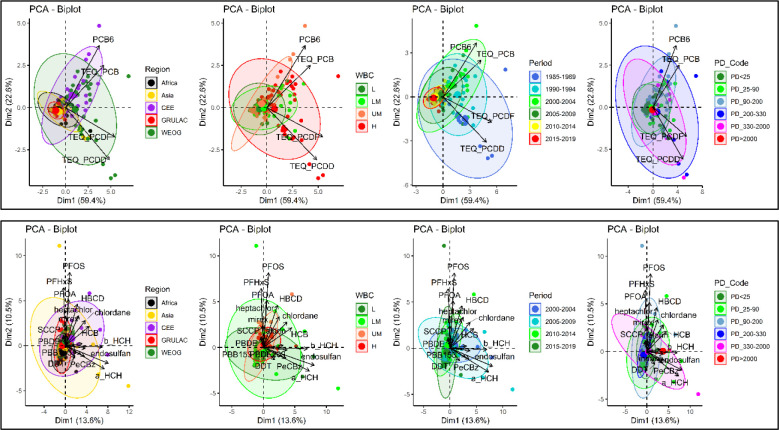
A set of human milk samples, consisting of pools from up to 50 mothers that delivered their first baby was assessed for the persistent organic pollutants (POPs) listed in the Stockholm Convention. It must be noted that only samples that qualified for the criteria, as established in the global monitoring plan of the Stockholm Convention, following an initial protocol from the World Health Organization, were included. The data do not allow for an assessment of POP concentrations in breast milk with lactation period nor, in most cases and when not indicated otherwise, a comparison within the same country. The assessment does not rank the POPs as to the risk for breastfeeding. Rather the measurements provide a basis for countries to compare among POPs or with other countries. A regional preference for certain POPs could not be identified; thus, taking into account global food supply chains and local production elsewhere does not allow us to prioritize a country for a certain POP. Although the highest concentrations were always found for the sum of DDT, these samples were not prominent in multivariate statistical analyses. The best indicator for the scale of POPs in breast milk was the sampling year: the earlier a national pool was created, the higher and the wider spread were the concentrations: see the example of dioxin-like POPs and indicator PCB. For some POPs, the income of a country seems to indicate scale and POP compounds. The population density was not found to be a suitable predictor or discriminator. Since all POPs seemed to level off and some POPs were only measured after the entry-into-force of the Stockholm Convention in 2004, we do not have a strong indicator to determine POP concentrations in the 1980s or before.
一组人乳样本接受了《斯德哥尔摩公约》所列持久性有机污染物(POPs)的评估,这些样本由多达50名首次分娩的母亲的乳汁汇集而成。必须指出的是,只有符合《斯德哥尔摩公约》全球监测计划所确立标准的样本才被纳入,该计划遵循了世界卫生组织的初始方案。这些数据无法用于评估不同哺乳期母乳中的POPs浓度,在大多数情况下且未另有说明时,也无法在同一国家内进行比较。该评估并未就母乳喂养风险对POPs进行排名。相反,这些测量结果为各国比较不同POPs或与其他国家进行比较提供了依据。无法确定对某些POPs存在区域偏好;因此,考虑到全球食品供应链和其他地方的本地生产情况,我们无法确定某个国家在某种特定POPs方面的优先级。尽管滴滴涕总量的浓度始终最高,但这些样本在多变量统计分析中并不突出。母乳中POPs规模的最佳指标是采样年份:某个国家的样本汇集时间越早,浓度越高且分布越广:见二恶英类POPs和指示性多氯联苯的示例。对于某些POPs而言,一个国家的收入似乎能表明其规模和POPs化合物情况。未发现人口密度是一个合适的预测指标或区分指标。由于所有POPs似乎都趋于平稳,且一些POPs是在《斯德哥尔摩公约》于2004年生效后才进行测量的,所以我们没有强有力的指标来确定20世纪80年代或更早时期的POPs浓度。