School of Mathematics, Statistics and Computer Science, University of Kwazulu Natal (UKZN), King Edward Avenue, Scottsville, Pietermaritzburg, 3209, KwaZulu Natal, Republic of South Africa.
Africa Health Research Institute, UKZN, 719 Umbilo Road, Durban, 10587, KwaZulu Natal, Republic of South Africa.
BMC Med Imaging. 2024 Nov 5;24(1):298. doi: 10.1186/s12880-024-01443-w.
To conduct a systematic review of the computer vision applications that detect, diagnose, or analyse tuberculosis (TB) pathology or bacilli using digitised human lung tissue images either through automatic or semi-automatic methods. We categorised the computer vision platform into four technologies: image processing, object/pattern recognition, computer graphics, and deep learning. In this paper, the focus is on image processing and deep learning (DL) applications for either 2D or 3D digitised human lung tissue images. This review is useful for establishing a common practice in TB analysis using human lung tissue as well as identifying opportunities for further research in this space. The review brings attention to the state-of-art techniques for detecting TB, with emphasis on the challenges and limitations of the current techniques. The ultimate goal is to promote the development of more efficient and accurate algorithms for the detection or analysis of TB, and raise awareness about the importance of early detection.
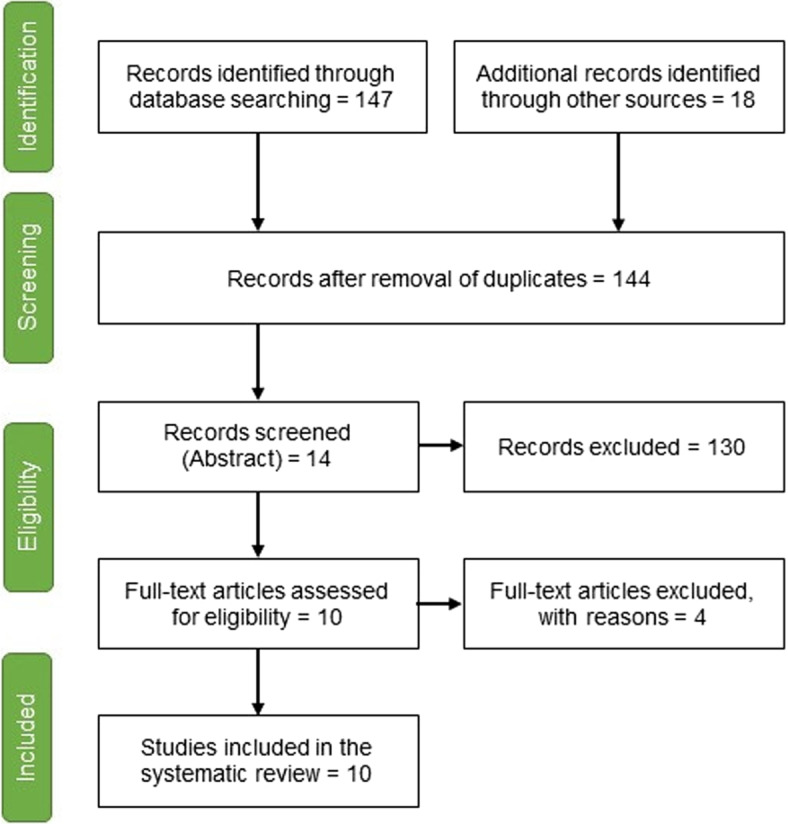
We searched five databases and Google Scholar for articles published between January 2017 and December 2022 that focus on Mycobacterium tuberculosis detection, or tuberculosis pathology using digitised human lung tissue images. Details regarding design, image processing and computer-aided techniques, deep learning models, and datasets were collected and summarised. Discussions, analysis, and comparisons of state-of-the-art methods are provided to help guide future research. Further, a brief update on the relevant techniques and their performance is provided.
Several studies have been conducted to develop automated and AI-assisted methods for diagnosing Mtb and TB pathology from digitised human lung tissue images. Some studies presented a completely automated method of diagnosis, while other studies developed AI-assisted diagnostic methods. Low-level focus areas included the development of a novel CT scanner for soft tissue image contract, and use of multiresolution computed tomography to analyse the 3D structure of the human lung. High-level focus areas included the investigation the effects of aging on the number and size of small airways in the lungs using CT and whole lung high-resolution CT, and the 3D microanatomy characterisation of human tuberculosis lung using CT in conjunction with histology and immunohistochemistry. Additionally, a novel method for acquiring high-resolution 3D images of human lung structure and topology is also presented.
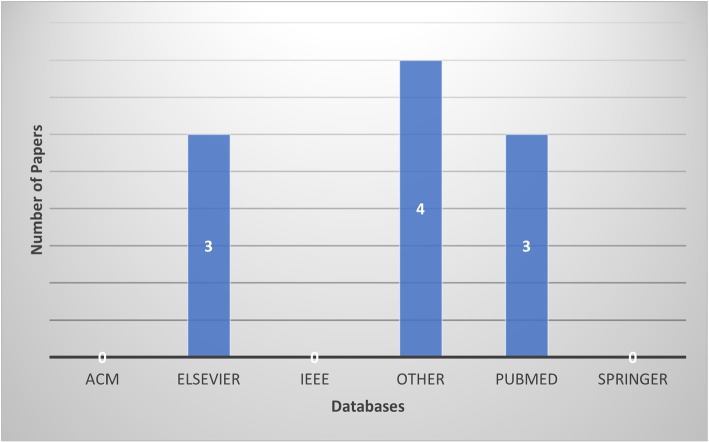
The literature indicates that post 1950s, TB was predominantly studied using animal models even though no animal model reflects the full spectrum of human pulmonary TB disease and does not reproducibly transmit Mtb infection to other animals (Hunter, 2011). This explains why there are very few studies that used human lung tissue for detection or analysis of Mtb. Nonetheless, we found 10 studies that used human tissues (predominately lung) of which five studies proposed machine learning (ML) models for the detection of bacilli and the other five used CT on human lung tissue scanned ex-vivo.
对使用数字化人体肺部图像,通过自动或半自动方法检测、诊断或分析结核病(TB)病理学或杆菌的计算机视觉应用进行系统评价。我们将计算机视觉平台分为四类技术:图像处理、目标/模式识别、计算机图形学和深度学习。在本文中,重点是针对 2D 或 3D 数字化人体肺部图像的图像处理和深度学习(DL)应用。这篇综述有助于建立使用人体肺部组织进行 TB 分析的通用实践,并确定该领域进一步研究的机会。该综述提请注意用于检测 TB 的最先进技术,重点介绍当前技术的挑战和局限性。最终目标是促进更高效和准确的 TB 检测或分析算法的发展,并提高对早期检测重要性的认识。
我们在 2017 年 1 月至 2022 年 12 月期间在五个数据库和 Google Scholar 上搜索了重点关注使用数字化人体肺部图像检测结核分枝杆菌或结核病病理学的文章。收集并总结了有关设计、图像处理和计算机辅助技术、深度学习模型和数据集的详细信息。提供了对最先进方法的讨论、分析和比较,以帮助指导未来的研究。此外,还提供了相关技术及其性能的简要更新。
已经进行了多项研究,以开发用于从数字化人体肺部图像诊断 Mtb 和 TB 病理学的自动化和人工智能辅助方法。一些研究提出了一种完全自动化的诊断方法,而其他研究则开发了人工智能辅助诊断方法。低水平重点领域包括开发一种新的软组织 CT 扫描仪来进行软组织图像对比度,以及使用多分辨率 CT 来分析人体肺部的 3D 结构。高水平重点领域包括使用 CT 结合组织学和免疫组织化学研究年龄对肺部小气道数量和大小的影响,以及使用 CT 结合组织学和免疫组织化学对人类肺结核肺的 3D 微观解剖结构进行特征描述。此外,还提出了一种获取人体肺部结构和拓扑的高分辨率 3D 图像的新方法。
文献表明,自 20 世纪 50 年代以来,TB 主要使用动物模型进行研究,尽管没有一种动物模型能反映人类肺部 TB 疾病的全貌,也不能将 Mtb 感染复制性地传播给其他动物(Hunter,2011)。这解释了为什么很少有研究使用人体肺组织来检测或分析 Mtb。尽管如此,我们还是发现了 10 项使用人体组织(主要是肺)的研究,其中 5 项研究提出了用于检测杆菌的机器学习(ML)模型,另外 5 项研究使用了对离体扫描的人体肺部 CT。