Department of Orthopaedics, Zhoushan Hospital of Traditional Chinese Medicine Affiliated to Zhejiang Chinese Medical University, 355 Xinqiao Road, Dinghai District, Zhoushan, 316000, Zhejiang, People's Republic of China.
Department of Orthopedics, Zhoushan Guanghua Hospital, Zhoushan, 316000, Zhejiang, China.
J Transl Med. 2024 Nov 5;22(1):1001. doi: 10.1186/s12967-024-05809-0.
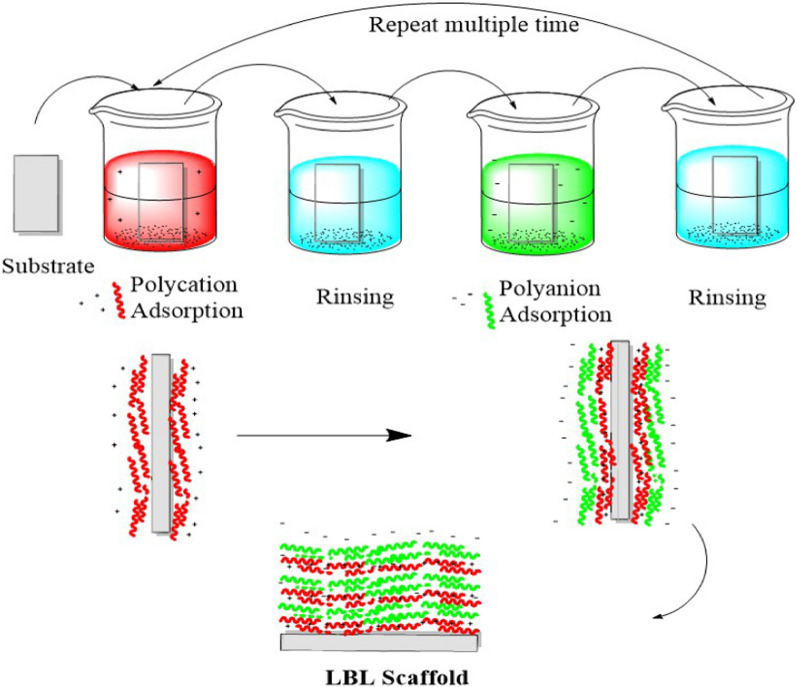
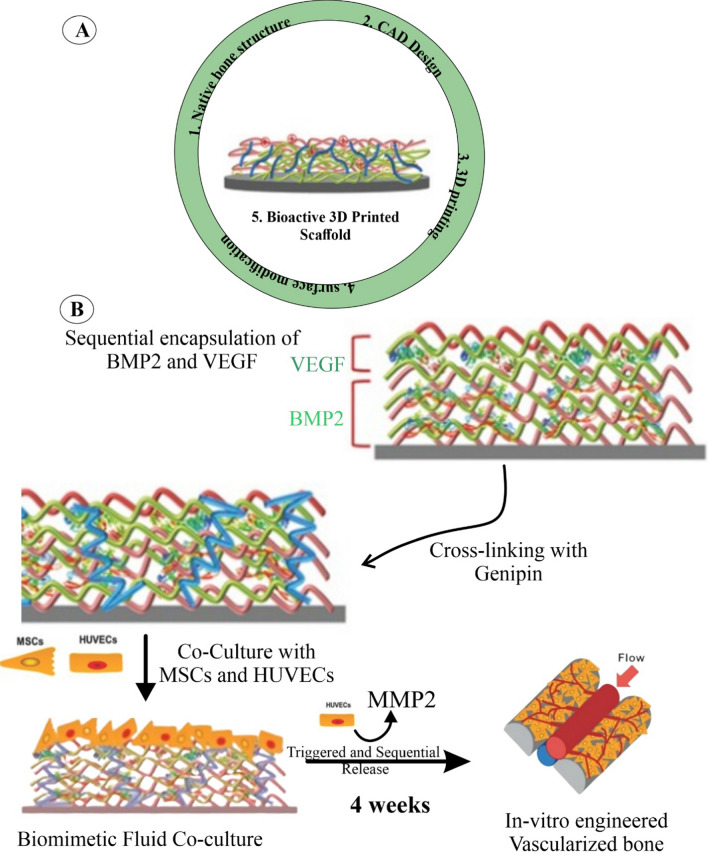
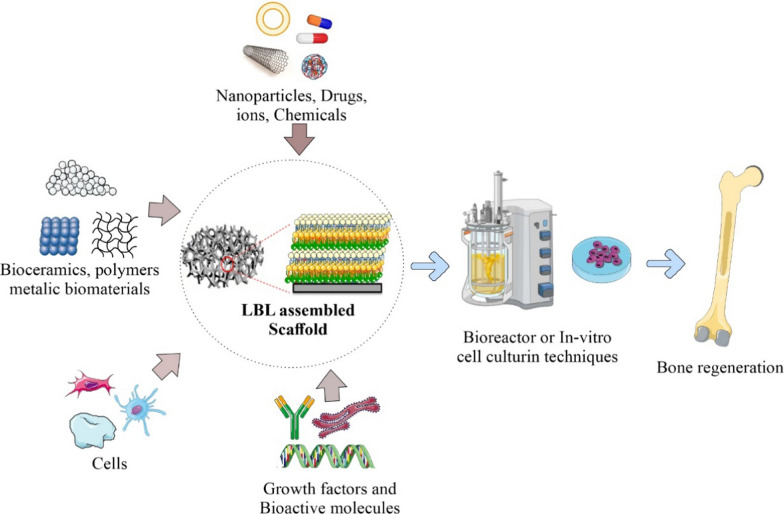
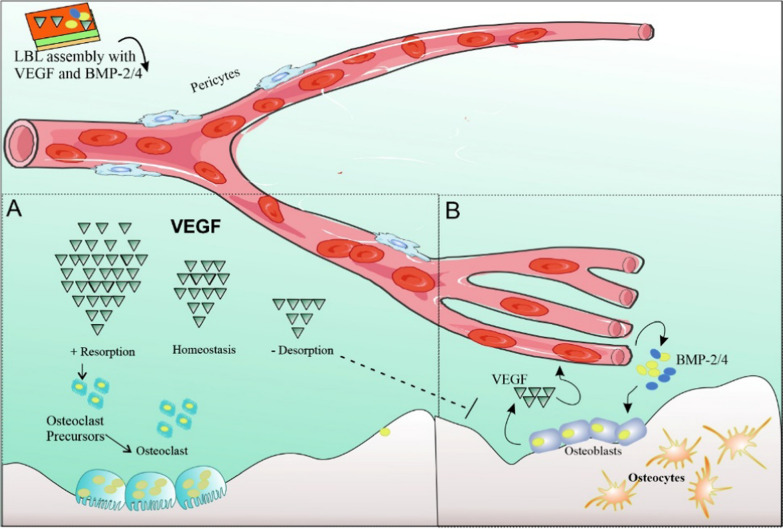
Orthopedic implants have faced challenges in treating bone defects due to various factors, including inadequate osseointegration, oxidative stress, bacterial infection, immunological rejection, and poor individualized treatment. These challenges profoundly affect both the results of treatment and patients' daily lives. There is great promise for the layer-by-layer (LbL) assembly method in tissue engineering. The method primarily relies on electrostatic attraction and entails the consecutive deposition of electrolyte complexes with opposite charges onto a substrate, leading to the formation of homogeneous single layers that can be quickly deposited to produce nanolayer films. LbL has attracted considerable interest as a coating technology because of its ease of production, cost-effectiveness, and capability to apply diverse biomaterial coatings without compromising the primary bio-functional properties of the substrate materials. This review will look into the fundamentals and evolution of LbL in orthopedics, provide an analysis of the chemical strategy used to prepare bone implants with LbL and introduce the application of LbL bone implants in orthopedics over recent years. Among the many potential uses of LbL, such as the implementation of sustained-release and programmed drug delivery, which in turn promotes the osseointegration and the development of new blood vessels, as well as antibacterial, antioxidant, and other similar applications. In addition, we offer a thorough examination of cell behavior and biomaterial interaction to facilitate the advancement of next-generation LbL films for tissue engineering.
骨科植入物在治疗骨缺损方面面临挑战,原因包括骨整合不足、氧化应激、细菌感染、免疫排斥和个体化治疗不佳等。这些挑战严重影响治疗效果和患者的日常生活。层层(LbL)组装方法在组织工程中有很大的应用前景。该方法主要依赖于静电吸引,涉及将带相反电荷的电解质复合物连续沉积到基底上,形成均匀的单层,这些单层可以快速沉积以产生纳米层膜。LbL 作为一种涂层技术引起了相当大的兴趣,因为它易于生产、具有成本效益,并且可以在不影响基底材料主要生物功能特性的情况下应用各种生物材料涂层。本文将探讨 LbL 在骨科中的基础和发展,分析用于制备具有 LbL 的骨植入物的化学策略,并介绍近年来 LbL 骨植入物在骨科中的应用。在 LbL 的许多潜在用途中,例如实施持续释放和编程药物输送,这反过来又促进了骨整合和新血管的发展,以及抗菌、抗氧化等类似应用。此外,我们对细胞行为和生物材料相互作用进行了全面研究,以促进下一代组织工程 LbL 薄膜的发展。