Zhejiang Key Laboratory of Imaging and Interventional Medicine, Zhejiang Engineering Research Csaenter of Interventional Medicine Engineering and Biotechnology, The Fifth Affiliated Hospital of Wenzhou Medical University, Lishui, Zhejiang, 323000, China.
Department of Radiation Oncology, Zhongshan Hospital, Fudan University, Shanghai, 200032, China.
Mol Cancer. 2024 Nov 15;23(1):255. doi: 10.1186/s12943-024-02130-8.
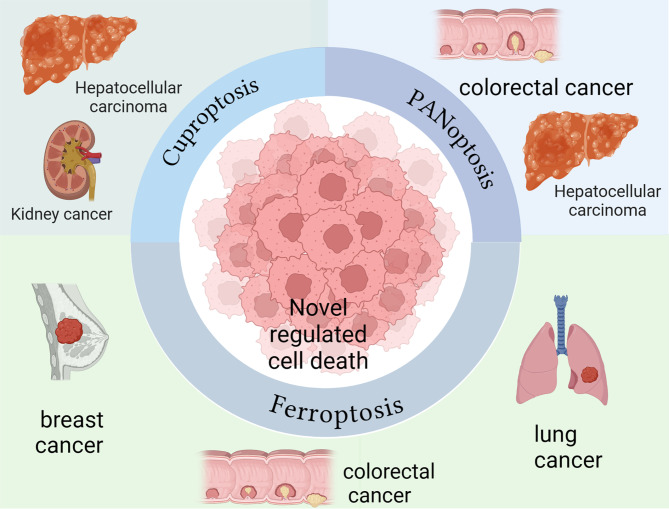
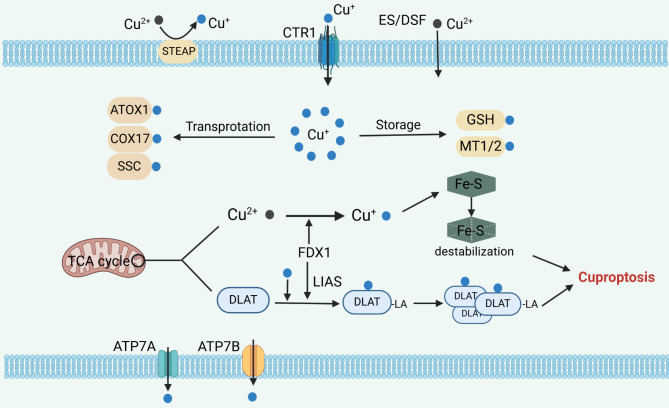
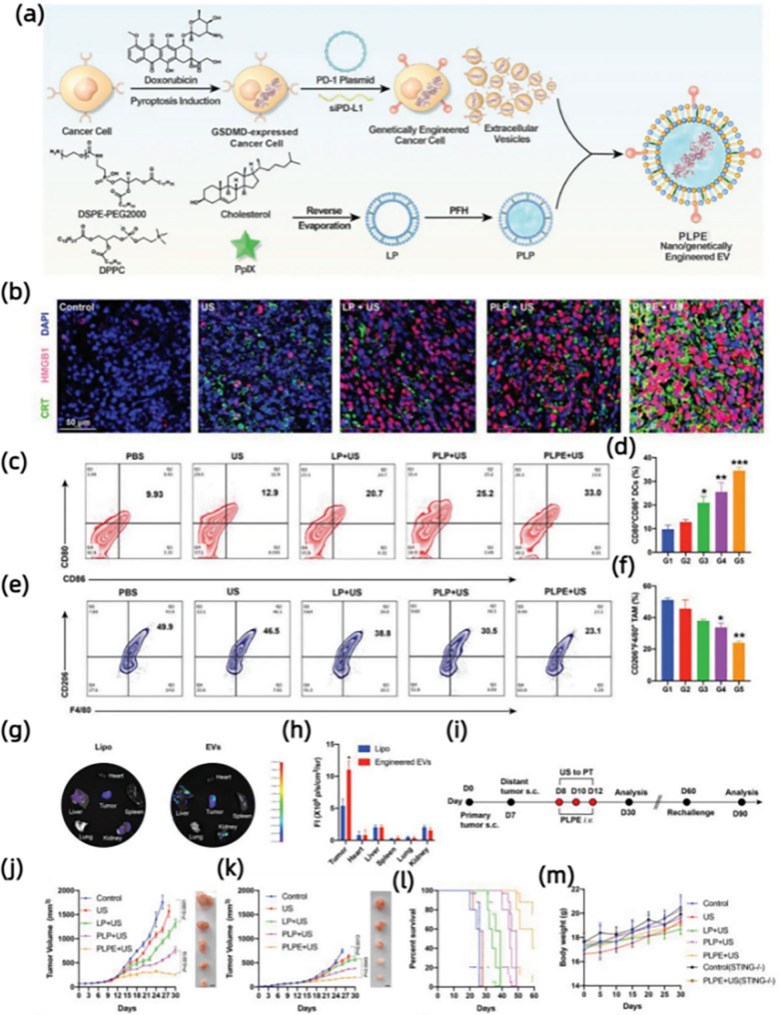
Normal life requires cell division to produce new cells, but cell death is necessary to maintain balance. Dysregulation of cell death can lead to the survival and proliferation of abnormal cells, promoting tumor development. Unlike apoptosis, necrosis, and autophagy, the newly recognized forms of regulated cell death (RCD) cuproptosis, ferroptosis, and PANoptosis provide novel therapeutic strategies for tumor treatment. Increasing research indicates that the death of tumor and immune cells mediated by these newly discovered forms of cell death can regulate the tumor microenvironment (TME) and influence the effectiveness of tumor immunotherapy. This review primarily elucidates the molecular mechanisms of cuproptosis, ferroptosis, and PANoptosis and their complex effects on tumor cells and the TME. This review also summarizes the exploration of nanoparticle applications in tumor therapy based on in vivo and in vitro evidence derived from the induction or inhibition of these new RCD pathways.
正常生命活动需要细胞分裂来产生新的细胞,但细胞死亡对于维持平衡也是必要的。细胞死亡的失调会导致异常细胞的存活和增殖,促进肿瘤的发展。与细胞凋亡、细胞坏死和自噬不同,新发现的调控性细胞死亡(RCD)形式如铜死亡、铁死亡和多细胞凋亡(PANoptosis)为肿瘤治疗提供了新的治疗策略。越来越多的研究表明,这些新发现的细胞死亡形式介导的肿瘤和免疫细胞的死亡可以调节肿瘤微环境(TME)并影响肿瘤免疫治疗的效果。本综述主要阐明了铜死亡、铁死亡和多细胞凋亡的分子机制及其对肿瘤细胞和 TME 的复杂影响。本综述还总结了基于体内和体外证据的纳米颗粒在肿瘤治疗中的应用探索,这些证据来自于这些新的 RCD 途径的诱导或抑制。