Alexandrescu Luana, Suceveanu Adrian Paul, Stanigut Alina Mihaela, Tofolean Doina Ecaterina, Axelerad Ani Docu, Iordache Ionut Eduard, Herlo Alexandra, Nelson Twakor Andreea, Nicoara Alina Doina, Tocia Cristina, Dumitru Andrei, Dumitru Eugen, Condur Laura Maria, Aftenie Cristian Florentin, Tofolean Ioan Tiberiu
Gastroenterology Department, "Sf. Apostol Andrei" Emergency County Hospital, 145 Tomis Blvd., 900591 Constanta, Romania.
Medicine Faculty, "Ovidius" University of Constanta, 1 Universitatii Street, 900470 Constanta, Romania.
Microorganisms. 2024 Nov 16;12(11):2341. doi: 10.3390/microorganisms12112341.
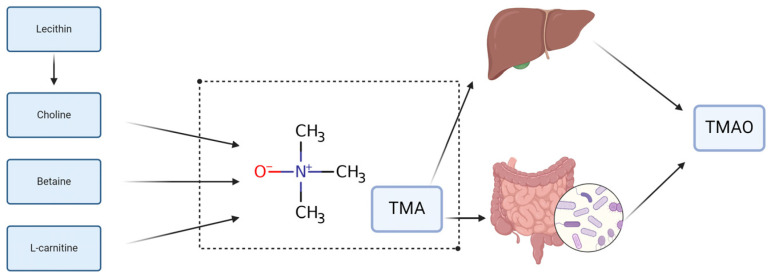
Recent advances have highlighted the gut microbiota as a significant contributor to the development and progression of atherosclerosis, which is an inflammatory cardiovascular disease (CVD) characterized by plaque buildup within arterial walls. The gut microbiota, consisting of a diverse collection of microorganisms, impacts the host's metabolism, immune responses, and lipid processing, all of which contribute to atherosclerosis. This review explores the complex mechanisms through which gut dysbiosis promotes atherogenesis. We emphasize the potential of integrating microbiota modulation with traditional cardiovascular care, offering a holistic approach to managing atherosclerosis. Important pathways involve the translocation of inflammatory microbial components, modulation of lipid metabolism through metabolites such as trimethylamine-N-oxide (TMAO), and the production of short-chain fatty acids (SCFAs) that influence vascular health. Studies reveal distinct microbial profiles in atherosclerosis patients, with increased pathogenic bacteria (, , ) and reduced anti-inflammatory genera (, ), highlighting the potential of these profiles as biomarkers and therapeutic targets. Probiotics are live microorganisms that have health benefits on the host. Prebiotics are non-digestible dietary fibers that stimulate the growth and activity of beneficial gut bacteria. Interventions targeting microbiota, such as probiotics, prebiotics, dietary modifications, and faecal microbiota transplantation (FMT), present effective approaches for restoring microbial equilibrium and justifying cardiovascular risk. Future research should focus on longitudinal, multi-omics studies to clarify causal links and refine therapeutic applications.
近期的研究进展突出了肠道微生物群在动脉粥样硬化发生和发展过程中的重要作用,动脉粥样硬化是一种炎症性心血管疾病(CVD),其特征是动脉壁内出现斑块堆积。肠道微生物群由多种微生物组成,会影响宿主的新陈代谢、免疫反应和脂质代谢,所有这些都与动脉粥样硬化的发生有关。本综述探讨了肠道菌群失调促进动脉粥样硬化形成的复杂机制。我们强调将微生物群调节与传统心血管护理相结合的潜力,为动脉粥样硬化的管理提供一种整体方法。重要途径包括炎症性微生物成分的易位、通过三甲胺 - N - 氧化物(TMAO)等代谢产物调节脂质代谢,以及产生影响血管健康的短链脂肪酸(SCFAs)。研究揭示了动脉粥样硬化患者独特的微生物谱,其中致病细菌增加(,,),抗炎菌属减少(,),突出了这些谱作为生物标志物和治疗靶点的潜力。益生菌是对宿主有益健康的活微生物。益生元是不可消化的膳食纤维,可刺激有益肠道细菌的生长和活性。针对微生物群的干预措施,如益生菌、益生元、饮食调整和粪便微生物群移植(FMT),为恢复微生物平衡和降低心血管风险提供了有效方法。未来的研究应侧重于纵向、多组学研究,以阐明因果关系并优化治疗应用。