Cox Donal J, Connolly Sarah A, Ó Maoldomhnaigh Cilian, Brugman Aenea A I, Sandby Thomas Olivia, Duffin Emily, Gogan Karl M, Ó Gallchobhair Oisin, Murphy Dearbhla M, O'Rourke Sinead A, O'Connell Finbarr, Nadarajan Parthiban, Phelan James J, Gleeson Laura E, Basdeo Sharee A, Keane Joseph
Trinity Translational Medicine Institute, St James's Hospital, Trinity College Dublin, The University of Dublin, Dublin, Ireland.
Elife. 2024 Dec 2;13:RP98449. doi: 10.7554/eLife.98449.
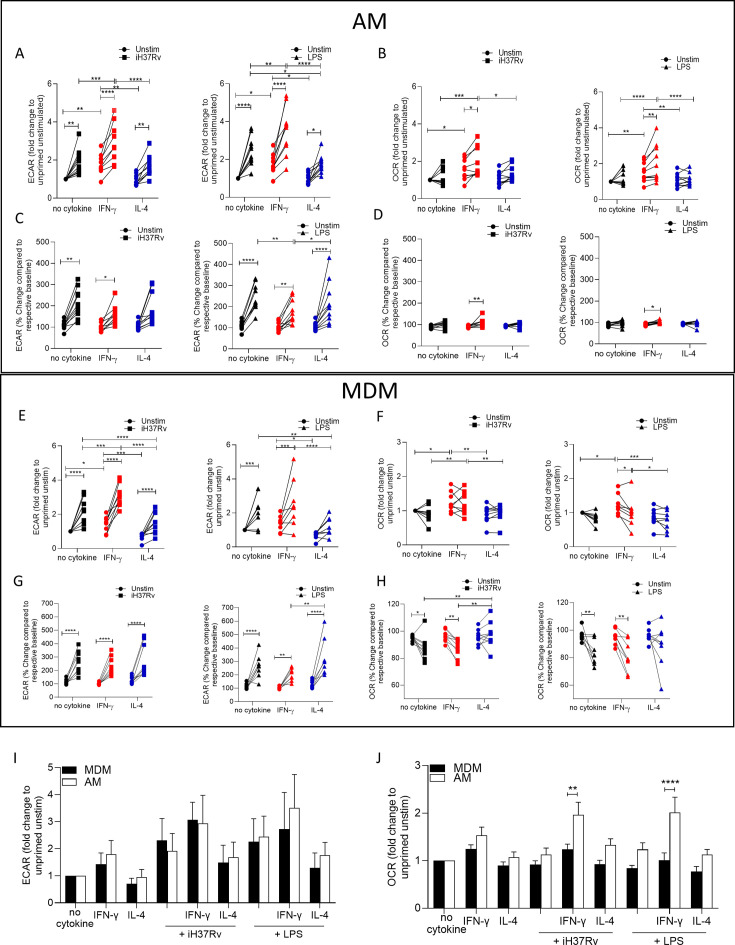
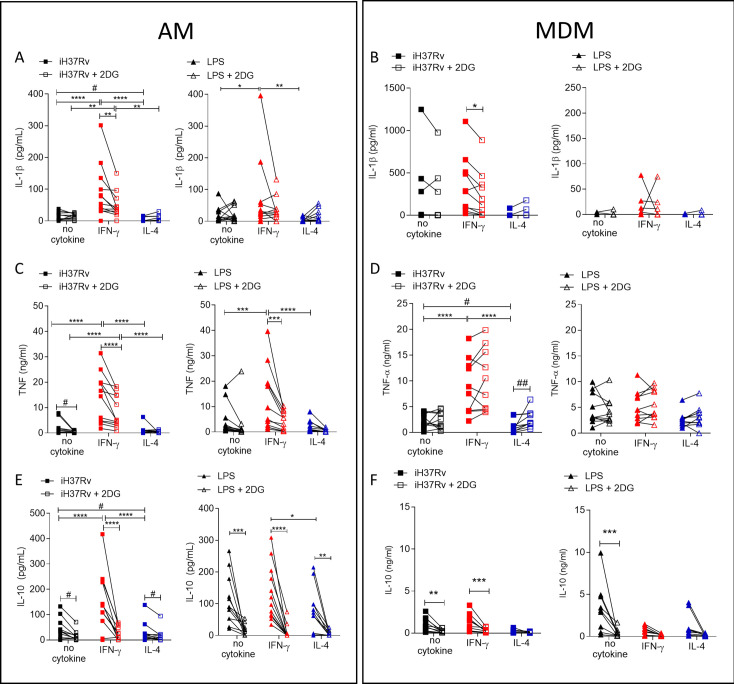
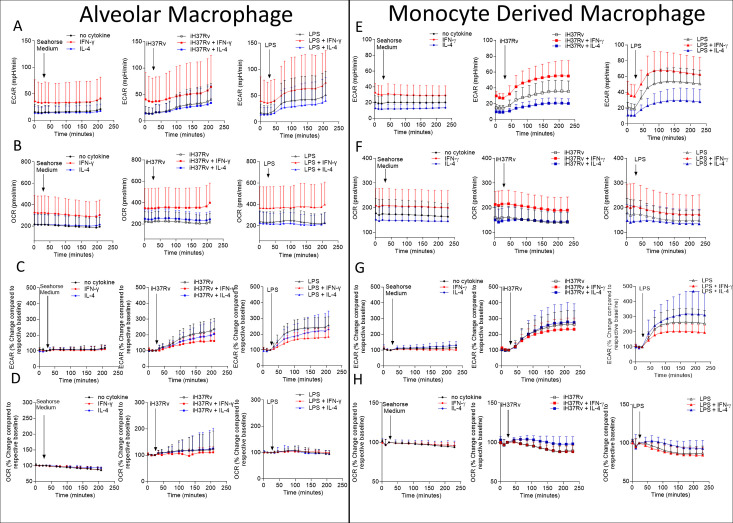
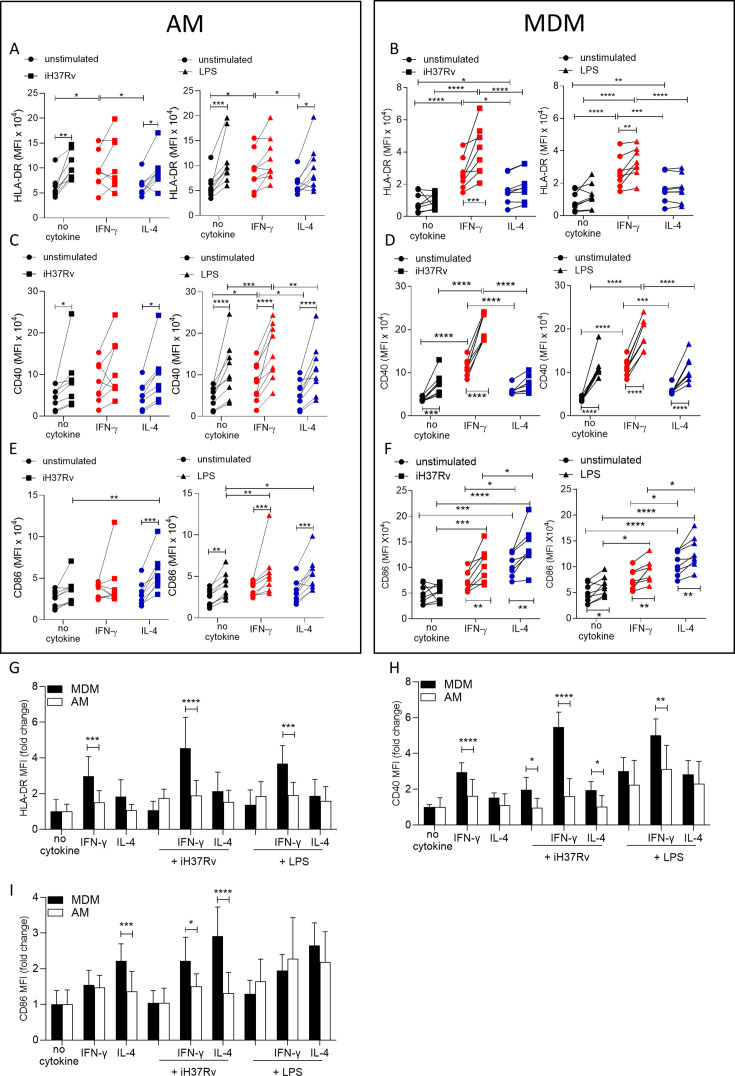
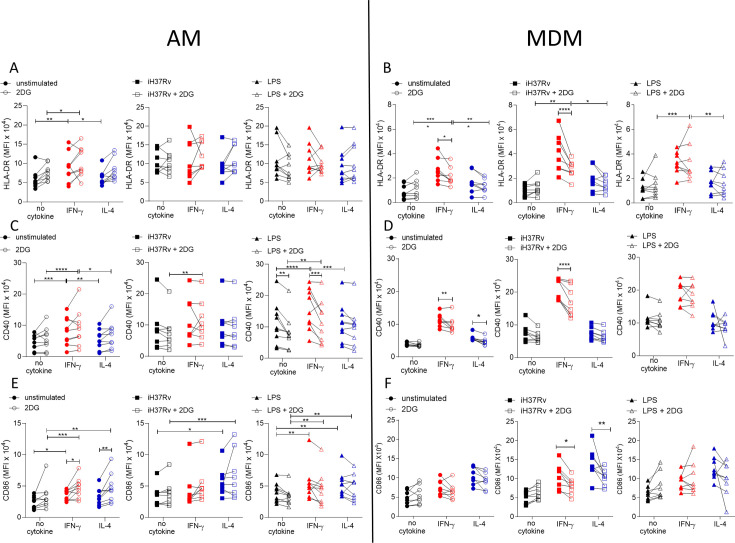
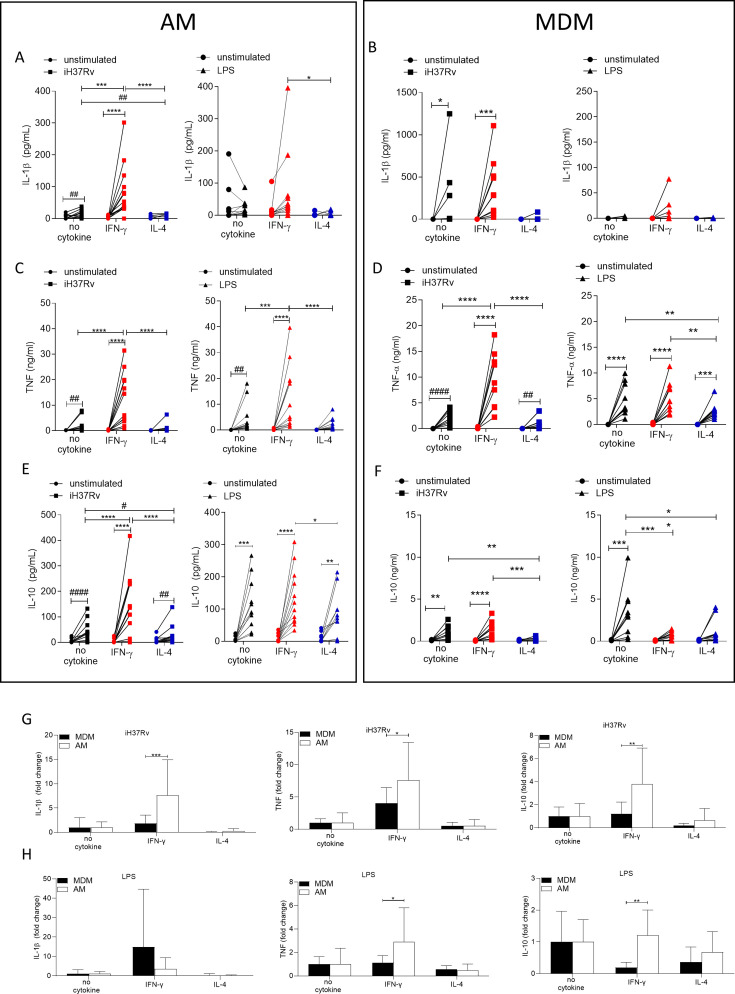
Airway macrophages (AM) are the predominant immune cell in the lung and play a crucial role in preventing infection, making them a target for host directed therapy. Macrophage effector functions are associated with cellular metabolism. A knowledge gap remains in understanding metabolic reprogramming and functional plasticity of distinct human macrophage subpopulations, especially in lung resident AM. We examined tissue-resident AM and monocyte-derived macrophages (MDM; as a model of blood derived macrophages) in their resting state and after priming with IFN-γ or IL-4 to model the Th1/Th2 axis in the lung. Human macrophages, regardless of origin, had a strong induction of glycolysis in response to IFN-γ or upon stimulation. IFN-γ significantly enhanced cellular energetics in both AM and MDM by upregulating both glycolysis and oxidative phosphorylation. Upon stimulation, AM do not decrease oxidative phosphorylation unlike MDM which shift to 'Warburg'-like metabolism. IFN-γ priming promoted cytokine secretion in AM. Blocking glycolysis with 2-deoxyglucose significantly reduced IFN-γ driven cytokine production in AM, indicating that IFN-γ induces functional plasticity in human AM, which is mechanistically mediated by glycolysis. Directly comparing responses between macrophages, AM were more responsive to IFN-γ priming and dependent on glycolysis for cytokine secretion than MDM. Interestingly, TNF production was under the control of glycolysis in AM and not in MDM. MDM exhibited glycolysis-dependent upregulation of HLA-DR and CD40, whereas IFN-γ upregulated HLA-DR and CD40 on AM independently of glycolysis. These data indicate that human AM are functionally plastic and respond to IFN-γ in a manner distinct from MDM. These data provide evidence that human AM are a tractable target for inhalable immunomodulatory therapies for respiratory diseases.
气道巨噬细胞(AM)是肺中的主要免疫细胞,在预防感染中起关键作用,使其成为宿主导向治疗的靶点。巨噬细胞效应功能与细胞代谢相关。在理解不同人类巨噬细胞亚群的代谢重编程和功能可塑性方面仍存在知识空白,尤其是肺驻留AM。我们研究了组织驻留AM和单核细胞衍生巨噬细胞(MDM;作为血液来源巨噬细胞的模型)在静息状态下以及用IFN-γ或IL-4刺激后,以模拟肺中的Th1/Th2轴。无论来源如何,人类巨噬细胞在响应IFN-γ或刺激时都会强烈诱导糖酵解。IFN-γ通过上调糖酵解和氧化磷酸化显著增强了AM和MDM中的细胞能量代谢。受到刺激时,与转变为“瓦氏”样代谢的MDM不同,AM不会降低氧化磷酸化。IFN-γ刺激促进了AM中的细胞因子分泌。用2-脱氧葡萄糖阻断糖酵解显著降低了AM中IFN-γ驱动的细胞因子产生,表明IFN-γ诱导了人类AM中的功能可塑性,其机制是由糖酵解介导的。直接比较巨噬细胞之间的反应,AM对IFN-γ刺激的反应比MDM更敏感,且细胞因子分泌依赖于糖酵解。有趣的是,AM中TNF的产生受糖酵解控制,而MDM中则不受控制。MDM表现出糖酵解依赖性的HLA-DR和CD40上调,而IFN-γ在AM上上调HLA-DR和CD40与糖酵解无关。这些数据表明,人类AM在功能上具有可塑性,并且以不同于MDM的方式对IFN-γ作出反应。这些数据提供了证据,表明人类AM是呼吸系统疾病可吸入免疫调节疗法的可处理靶点。