Li Xue, Han Buying, Liu Dehui, Wang Song, Wang Lei, Pei Quanbang, Zhang Zian, Zhao Jincai, Huang Bin, Zhang Fuqiang, Zhao Kai, Tian Dehong
Key Laboratory of Adaptation and Evolution of Plateau Biota, Qinghai Provincial Key Laboratory of Animal Ecological Genomics, Northwest Institute of Plateau Biology, Chinese Academy of Sciences, Xining, Qinghai, 810008, China.
University of Chinese Academy of Sciences, Beijing, 100049, China.
J Anim Sci Biotechnol. 2024 Dec 6;15(1):164. doi: 10.1186/s40104-024-01125-1.
Tibetan sheep, economically important animals on the Qinghai-Tibet Plateau, have diversified into numerous local breeds with unique characteristics through prolonged environmental adaptation and selective breeding. However, most current research focuses on one or two breeds, and lacks a comprehensive representation of the genetic diversity across multiple Tibetan sheep breeds. This study aims to fill this gap by investigating the genetic structure, diversity and high-altitude adaptation of 6 Tibetan sheep breeds using whole-genome resequencing data.
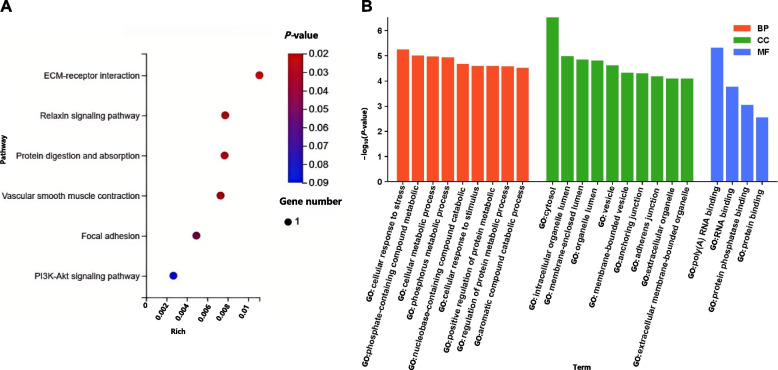
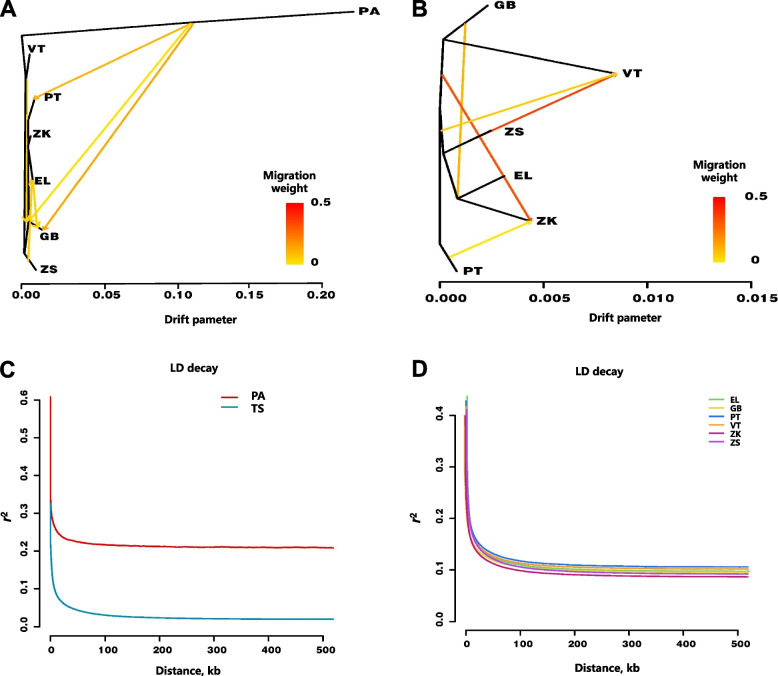
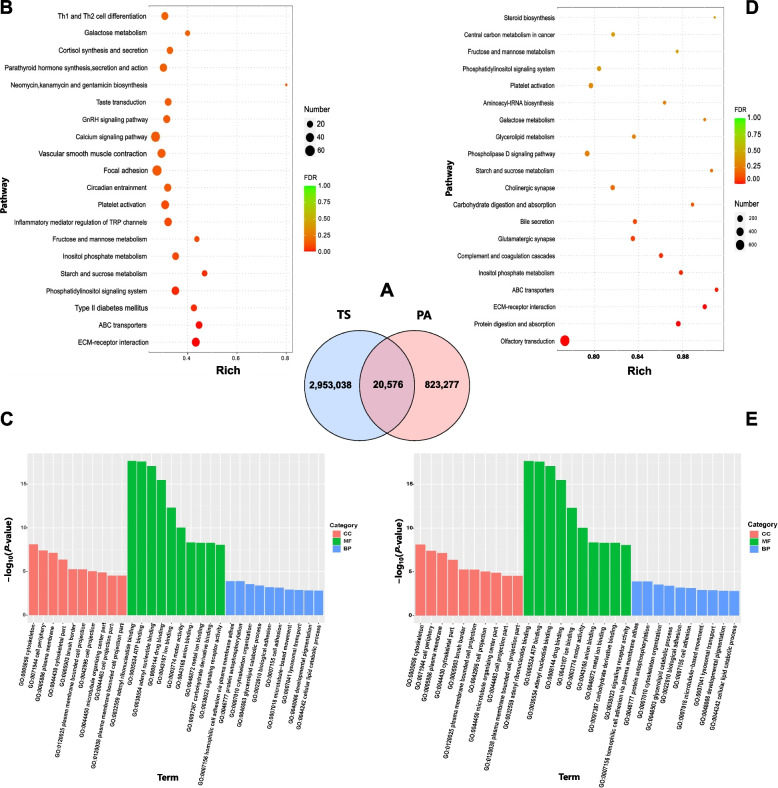
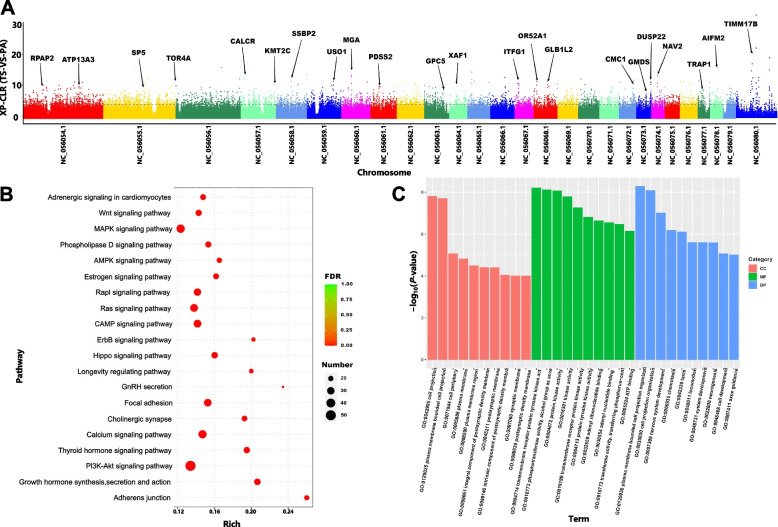
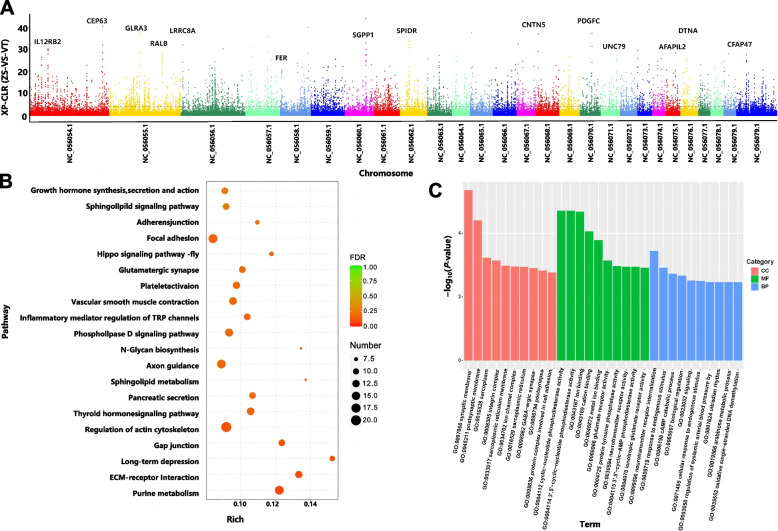
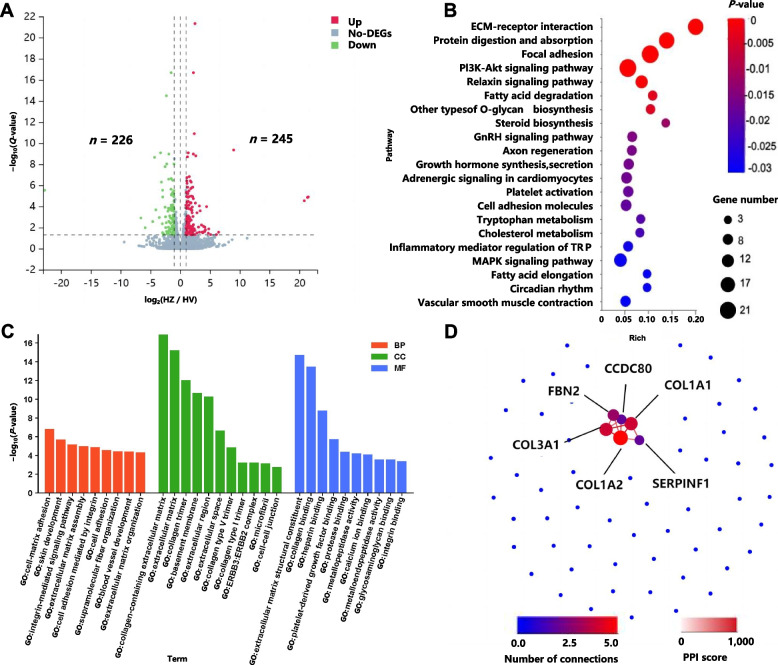
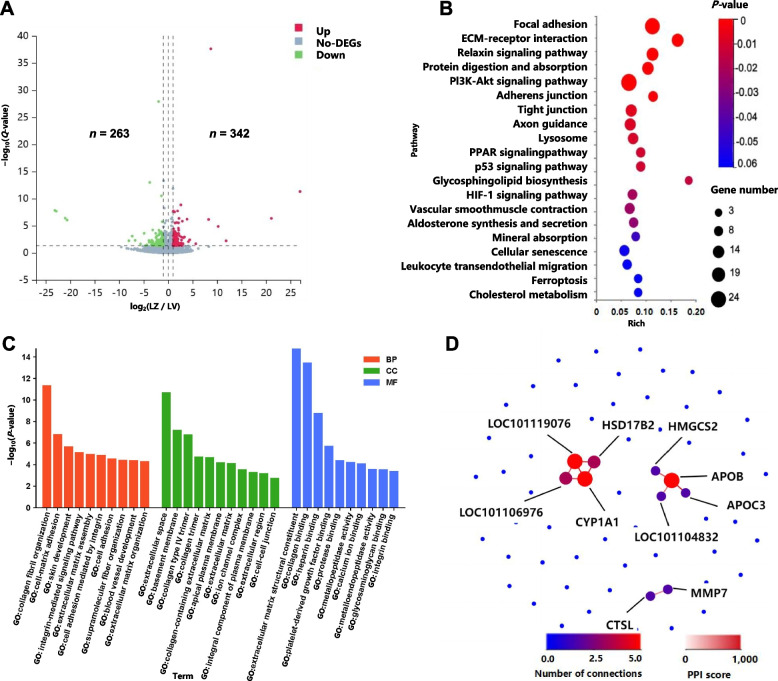
Six Tibetan sheep breeds were investigated in this study, and whole-genome resequencing data were used to investigate their genetic structure and population diversity. The results showed that the 6 Tibetan sheep breeds exhibited distinct separation in the phylogenetic tree; however, the levels of differentiation among the breeds were minimal, with extensive gene flow observed. Population structure analysis broadly categorized the 6 breeds into 3 distinct ecological types: plateau-type, valley-type and Euler-type. Analysis of unique single-nucleotide polymorphisms (SNPs) and selective sweeps between Argali and Tibetan sheep revealed that Tibetan sheep domestication was associated primarily with sensory and signal transduction, nutrient absorption and metabolism, and growth and reproductive characteristics. Finally, comprehensive analysis of selective sweep and transcriptome data suggested that Tibetan sheep breeds inhabiting different altitudes on the Qinghai-Tibet Plateau adapt by enhancing cardiopulmonary function, regulating body fluid balance through renal reabsorption, and modifying nutrient digestion and absorption pathways.
In this study, we investigated the genetic diversity and population structure of 6 Tibetan sheep breeds in Qinghai Province, China. Additionally, we analyzed the domestication traits and investigated the unique adaptation mechanisms residing varying altitudes in the plateau region of Tibetan sheep. This study provides valuable insights into the evolutionary processes of Tibetan sheep in extreme environments. These findings will also contribute to the preservation of genetic diversity and offer a foundation for Tibetan sheep diversity preservation and plateau animal environmental adaptation mechanisms.
藏羊是青藏高原上具有重要经济价值的动物,通过长期的环境适应和选择性育种,已分化为众多具有独特特征的地方品种。然而,目前大多数研究集中在一两个品种上,缺乏对多个藏羊品种遗传多样性的全面描述。本研究旨在通过利用全基因组重测序数据,研究6个藏羊品种的遗传结构、多样性和高原适应性,以填补这一空白。
本研究对6个藏羊品种进行了调查,并利用全基因组重测序数据研究了它们的遗传结构和群体多样性。结果表明,这6个藏羊品种在系统发育树中表现出明显的分化;然而,品种间的分化水平极低,观察到广泛的基因流动。群体结构分析大致将这6个品种分为3种不同的生态类型:高原型、山谷型和欧拉型。对盘羊和藏羊之间独特的单核苷酸多态性(SNP)和选择性清除分析表明,藏羊的驯化主要与感官和信号转导、营养吸收和代谢以及生长和繁殖特征有关。最后,对选择性清除和转录组数据的综合分析表明,栖息在青藏高原不同海拔高度的藏羊品种通过增强心肺功能、通过肾脏重吸收调节体液平衡以及改变营养消化和吸收途径来适应环境。
在本研究中,我们调查了中国青海省6个藏羊品种的遗传多样性和群体结构。此外,我们分析了驯化特征,并研究了藏羊高原地区不同海拔高度存在的独特适应机制。本研究为藏羊在极端环境中的进化过程提供了有价值的见解。这些发现也将有助于保护遗传多样性,并为藏羊多样性保护和高原动物环境适应机制提供基础。