Zimoch Marta, Grau-Roma Llorenç, Liniger Matthias, Donzé Noelle, Godel Aurélie, Escribano Damián, Trüeb Bettina Salome, Pramateftaki Paraskevi, Torres-Puig Sergi, Cerón José Joaqín, Thiel Volker, Jores Jörg, Summerfield Artur, Ruggli Nicolas, Benarafa Charaf, García-Nicolás Obdulio
Institute of Virology and Immunology (IVI), Mittelhäusern, Switzerland.
Department of Infectious Diseases and Pathobiology, Vetsuisse Faculty, University of Bern, Bern, Switzerland.
PLoS Pathog. 2024 Dec 9;20(12):e1012751. doi: 10.1371/journal.ppat.1012751. eCollection 2024 Dec.
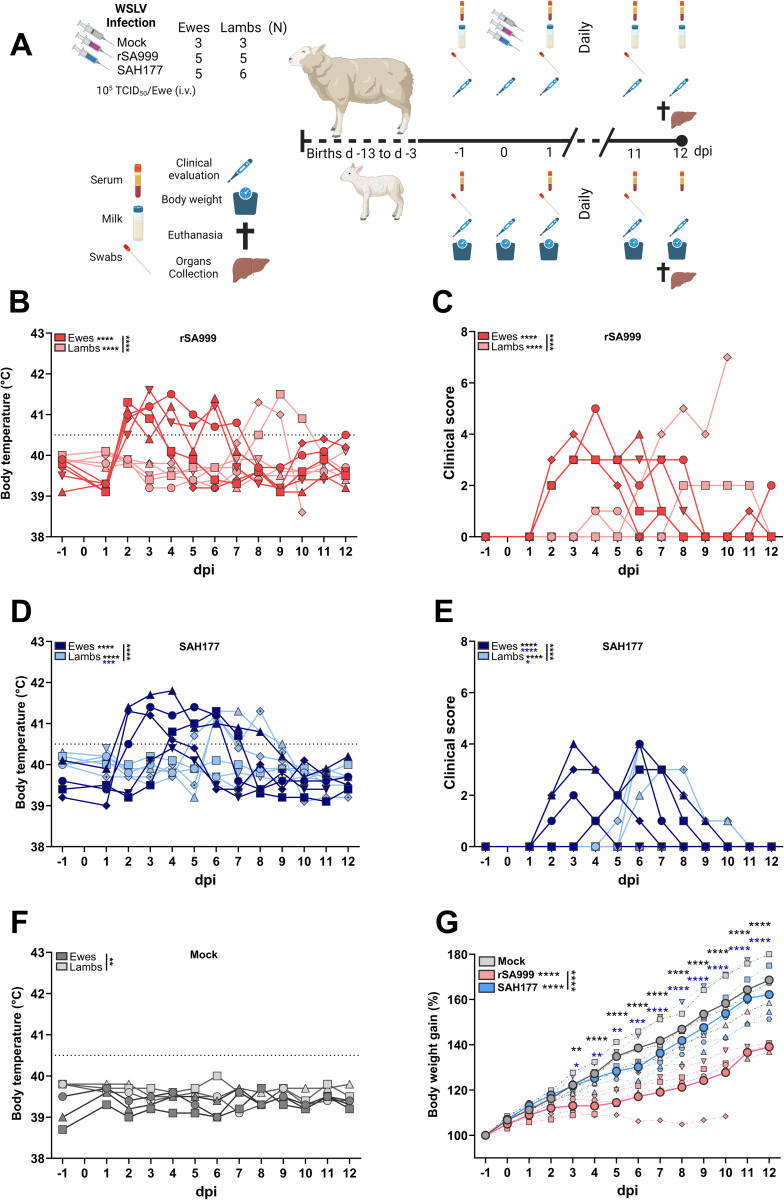
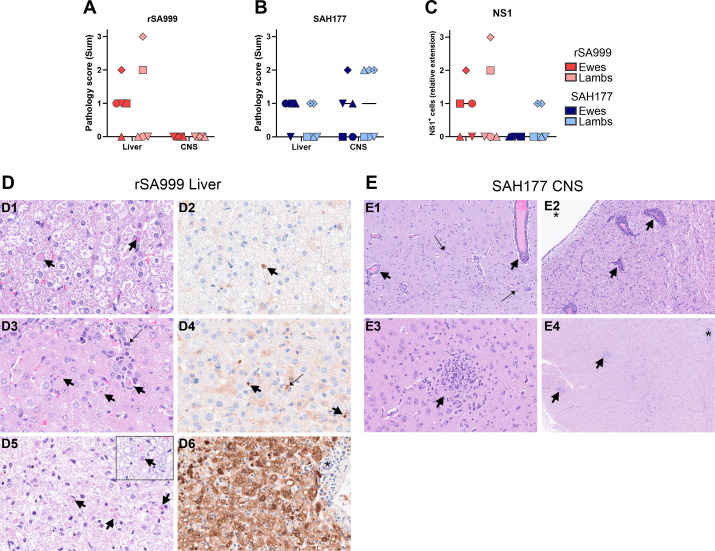
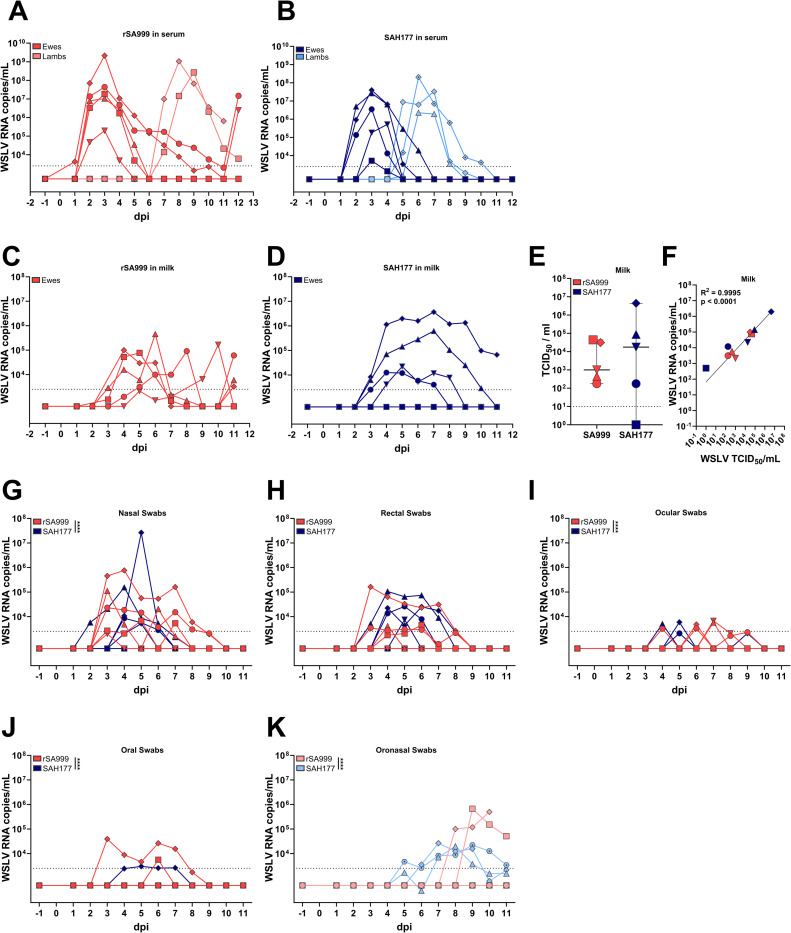
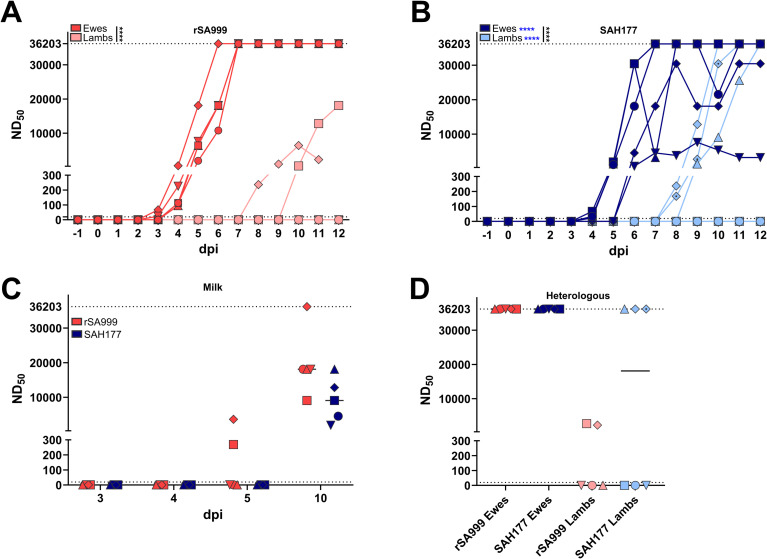
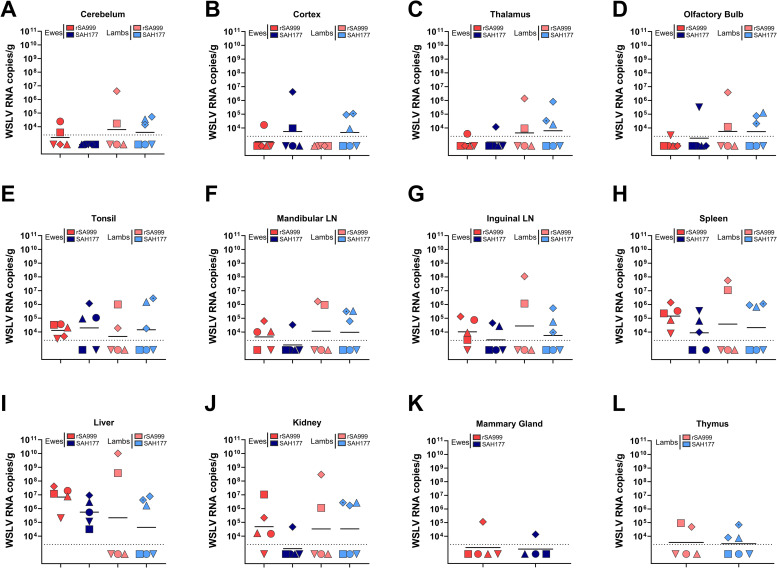
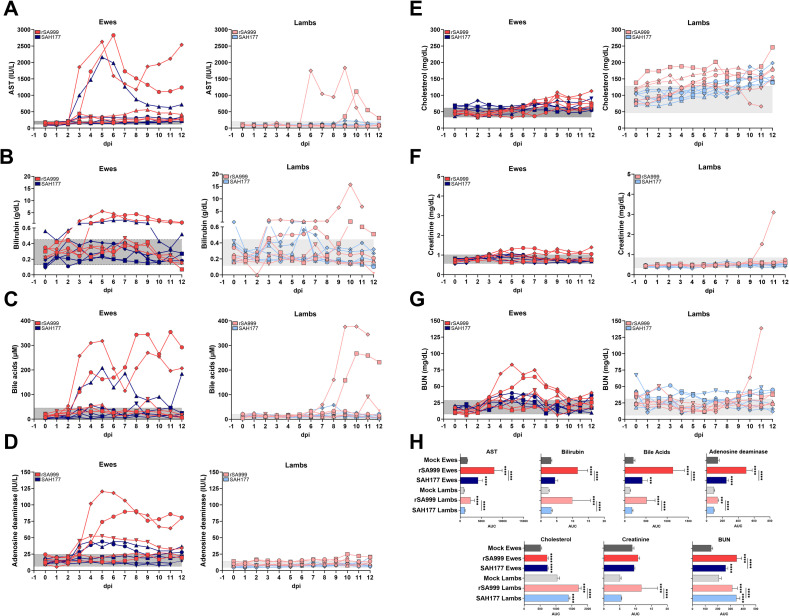
Wesselsbron virus (WSLV) is a zoonotic, mosquito-borne orthoflavivirus endemic to sub-Saharan Africa, causing abortions and stillbirths in small ruminants. The life cycle of WSLV involves Aedes mosquitoes and various wildlife and domestic animals. Seminal studies in the 1950s have shown the zoonotic potential of WSLV, notably in accidental infections of laboratory workers exposed to infected material. More recent epidemiological studies suggest the emergence of clade I WSLV strains in peri-domestic and rural areas of western and eastern Africa. The pathobiology of recent clade I WSLV strains is unknown and no virus isolate is available. To address these gaps, we generated a recombinant clade I WSLV SA999 infectious clone (rSA999) by reverse genetics. Subsequently, lactating ewes were inoculated intravenously with the WSLV rSA999 strain or the clade II SAH177 strain in insect-free biocontainment stables. Inoculated ewes developed fever, viremia, and showed high levels of viral RNA at mucosal surfaces, and elevated viral titers in milk. Milk production was reduced, which directly affected the growth of the lambs, particularly within the rSA999 group. The ewes with higher WSLV titers in their milk in each group transmitted the infection to their lambs, which developed fever, prolonged viremia, and virus secretion. All infected animals produced high antibody titers with cross-neutralizing activity against both WSLV strains. Histopathology and blood biochemistry analysis indicated liver damage associated with necrotizing hepatitis lesions and active viral replication in some cases, which was more pronounced in the rSA999 group. Notably, only the SAH177-infected animals exhibited lesions consistent with meningoencephalitis, suggesting that WSLV clade II strains are neurotropic and that clade I strain are more hepatotropic. These findings demonstrate a previously unrecognized mode of vector-free transmission of WSLV that raises significant concerns for public and animal health.
韦塞尔斯布朗病毒(WSLV)是一种人畜共患的、由蚊子传播的正黄病毒,流行于撒哈拉以南非洲地区,可导致小型反刍动物流产和死产。WSLV的生命周期涉及伊蚊以及各种野生动物和家畜。20世纪50年代的开创性研究表明了WSLV的人畜共患病潜力,特别是在接触感染材料的实验室工作人员意外感染方面。最近的流行病学研究表明,I分支WSLV毒株在非洲西部和东部的家庭周边和农村地区出现。近期I分支WSLV毒株的病理生物学尚不清楚,且没有病毒分离株可用。为填补这些空白,我们通过反向遗传学构建了重组I分支WSLV SA999感染性克隆(rSA999)。随后,在无昆虫生物安全隔离厩舍中,给泌乳母羊静脉接种WSLV rSA999毒株或II分支SAH177毒株。接种的母羊出现发热、病毒血症,在黏膜表面显示出高水平的病毒RNA,且乳汁中的病毒滴度升高。产奶量减少,这直接影响了羔羊的生长,特别是在rSA999组中。每组乳汁中WSLV滴度较高的母羊将感染传播给了它们的羔羊,羔羊出现发热、持续性病毒血症和病毒分泌。所有感染动物都产生了高抗体滴度,对两种WSLV毒株均具有交叉中和活性。组织病理学和血液生化分析表明,在某些情况下存在与坏死性肝炎病变相关的肝损伤以及活跃的病毒复制,在rSA999组中更为明显。值得注意的是,只有感染SAH177的动物表现出与脑膜脑炎一致的病变,这表明WSLV II分支毒株具有嗜神经性,而I分支毒株更具有嗜肝性。这些发现证明了WSLV以前未被认识的无媒介传播方式,这引起了对公共卫生和动物健康的重大关注。