Bukowska Bożena
Department of Biophysics of Environmental Pollution, Faculty of Biology and Environmental Protection, University of Lodz, Pomorska Street141/143, 90-236 Lodz, Poland.
Int J Mol Sci. 2024 Nov 27;25(23):12738. doi: 10.3390/ijms252312738.
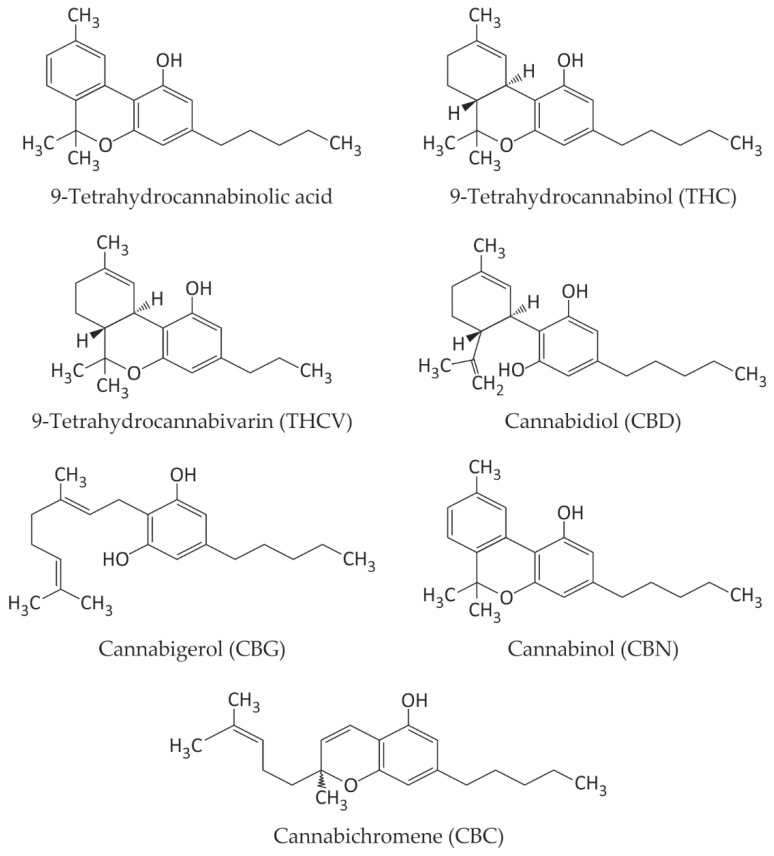
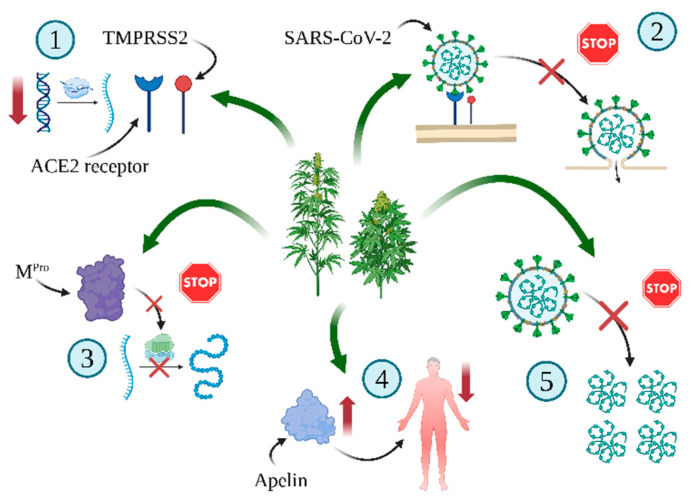
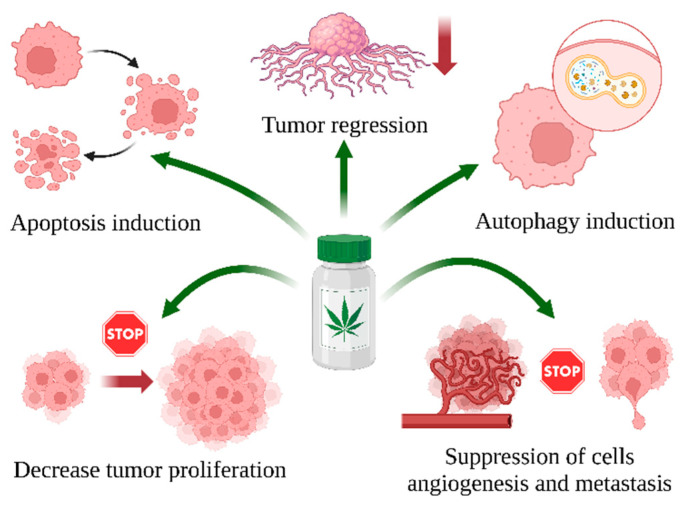
L. contains numerous compounds with antioxidant and anti-inflammatory properties, including the flavonoids and the cannabinoids, particularly Δ-9-tetrahydrocannabinol (THC) and cannabidiol (CBD). Cannabinoids have an effect on the endocannabinoid system (ECS), a cellular communication network, and are, hence, widely studied for medical applications. Epidiolex, a 99% pure oral CBD extract, has been approved by the FDA for the treatment of epilepsy. Nabiximols (Sativex) is an oromucosal spray containing equal volume of THC and CBD, and it is commonly used as an add-on treatment for unresponsive spasticity in multiple sclerosis (MS) patients. Several in vitro and in vivo studies have also shown that cannabinoids can be used to treat various types of cancer, such as melanoma and brain glioblastoma; the first positive clinical trials on the anticancer effect of a THC:CBD blend with temozolomide (TMZ) in the treatment of highly invasive brain cancer are very promising. The cannabinoids exert their anticancer properties in in vitro investigations by the induction of cell death, mainly by apoptosis and cytotoxic autophagy, and the inhibition of cell proliferation. In several studies, cannabinoids have been found to induce tumor regression and inhibit angiogenic mechanisms in vitro and in vivo, as well as in two low-numbered epidemiological studies. They also exhibit antiviral effects by inhibiting transcription, blocking viral replication and fusion, and acting as anti-inflammatory agents; indeed, prior CBD consumption (a study of 93,565 persons in Chicago) has also been associated with a much lower incidence of SARS-CoV-2 infections. It is postulated that cannabis extracts can be used in the treatment of many other diseases such as systemic lupus erythematosus, type 1 diabetes, or various types of neurological disorders, e.g., Alzheimer's disease. The aim of this review is to outline the current state of knowledge regarding currently used medicinal preparations derived from L. in the treatment of selected cancer and viral diseases, and to present the latest research on the potential applications of its secondary metabolites.
L.含有多种具有抗氧化和抗炎特性的化合物,包括黄酮类化合物和大麻素,特别是Δ-9-四氢大麻酚(THC)和大麻二酚(CBD)。大麻素对内源性大麻素系统(ECS)有影响,这是一个细胞通讯网络,因此,人们对其在医学应用方面进行了广泛研究。Epidiolex是一种99%纯的口服CBD提取物,已被美国食品药品监督管理局(FDA)批准用于治疗癫痫。纳比西莫尔(Sativex)是一种口腔黏膜喷雾剂,含有等量的THC和CBD,通常用作多发性硬化症(MS)患者难治性痉挛的附加治疗。多项体外和体内研究还表明,大麻素可用于治疗各种类型的癌症,如黑色素瘤和脑胶质母细胞瘤;关于THC:CBD与替莫唑胺(TMZ)混合用于治疗高度侵袭性脑癌的抗癌作用的首批阳性临床试验非常有前景。在体外研究中,大麻素主要通过诱导细胞死亡(主要是通过凋亡和细胞毒性自噬)以及抑制细胞增殖来发挥其抗癌特性。在多项研究中,已发现大麻素在体外和体内以及两项小规模流行病学研究中可诱导肿瘤消退并抑制血管生成机制。它们还通过抑制转录、阻断病毒复制和融合以及作为抗炎剂发挥抗病毒作用;事实上,先前服用CBD(对芝加哥93565人的一项研究)也与SARS-CoV-2感染的发生率低得多有关。据推测,大麻提取物可用于治疗许多其他疾病,如系统性红斑狼疮、1型糖尿病或各种类型的神经疾病,例如阿尔茨海默病。本综述的目的是概述目前关于源自L.的药用制剂在治疗特定癌症和病毒疾病方面的知识现状,并介绍其次生代谢产物潜在应用的最新研究。