Azizian Sasan, Cui Juan
School of Computing, University of Nebraska-Lincoln, 1400 R St, Lincoln, NE, 68588-0115, USA.
BMC Bioinformatics. 2024 Dec 18;25(1):381. doi: 10.1186/s12859-024-05985-2.
Interactions between microRNAs and RNA-binding proteins are crucial for microRNA-mediated gene regulation and sorting. Despite their significance, the molecular mechanisms governing these interactions remain underexplored, apart from sequence motifs identified on microRNAs. To date, only a limited number of microRNA-binding proteins have been confirmed, typically through labor-intensive experimental procedures. Advanced bioinformatics tools are urgently needed to facilitate this research.
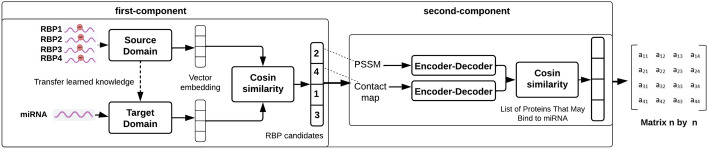
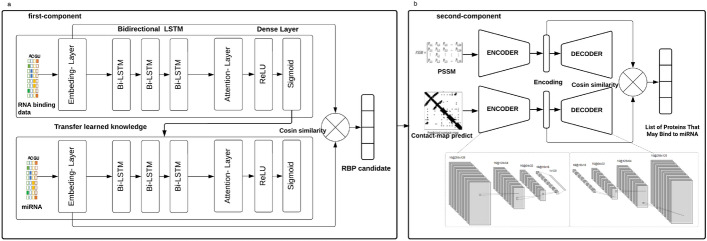
We present DeepMiRBP, a novel hybrid deep learning model specifically designed to predict microRNA-binding proteins by modeling molecular interactions. This innovation approach is the first to target the direct interactions between small RNAs and proteins. DeepMiRBP consists of two main components. The first component employs bidirectional long short-term memory (Bi-LSTM) neural networks to capture sequential dependencies and context within RNA sequences, attention mechanisms to enhance the model's focus on the most relevant features and transfer learning to apply knowledge gained from a large dataset of RNA-protein binding sites to the specific task of predicting microRNA-protein interactions. Cosine similarity is applied to assess RNA similarities. The second component utilizes Convolutional Neural Networks (CNNs) to process the spatial data inherent in protein structures based on Position-Specific Scoring Matrices (PSSM) and contact maps to generate detailed and accurate representations of potential microRNA-binding sites and assess protein similarities.
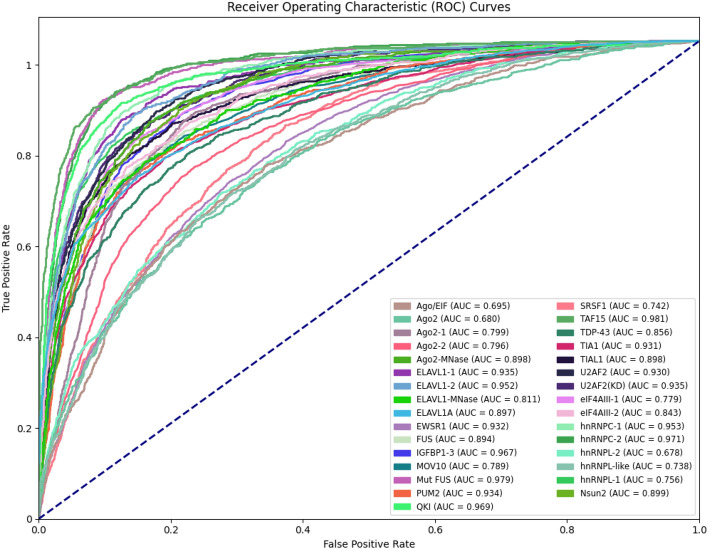
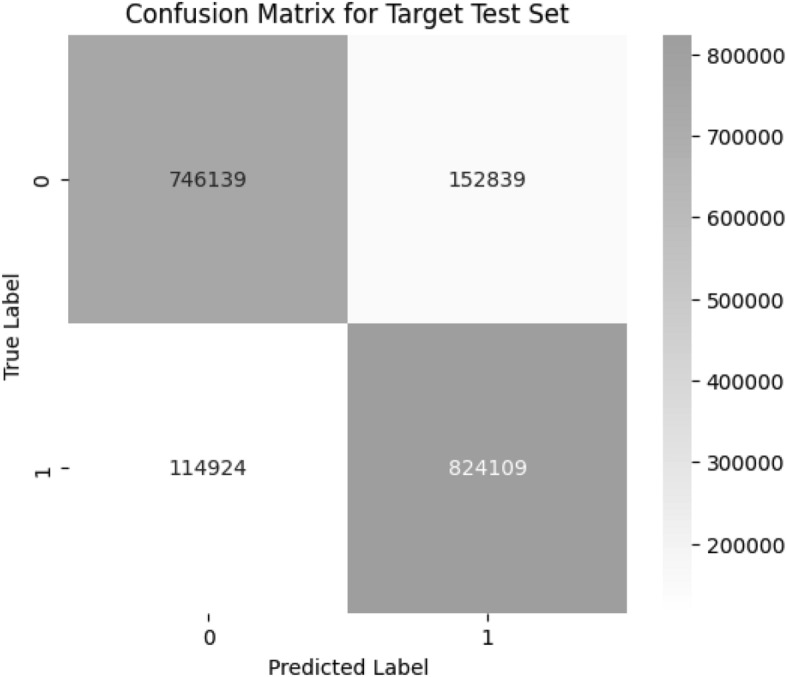
DeepMiRBP achieved a prediction accuracy of 87.4% during training and 85.4% using testing, with an F score of 0.860. Additionally, we validated our method using three case studies, focusing on microRNAs such as miR-451, -19b, -23a, -21, -223, and -let-7d. DeepMiRBP successfully predicted known miRNA interactions with recently discovered RNA-binding proteins, including AGO, YBX1, and FXR2, identified in various exosomes.
Our proposed DeepMiRBP strategy represents the first of its kind designed for microRNA-protein interaction prediction. Its promising performance underscores the model's potential to uncover novel interactions critical for small RNA sorting and packaging, as well as to infer new RNA transporter proteins. The methodologies and insights from DeepMiRBP offer a scalable template for future small RNA research, from mechanistic discovery to modeling disease-related cell-to-cell communication, emphasizing its adaptability and potential for developing novel small RNA-centric therapeutic interventions and personalized medicine.
微小RNA与RNA结合蛋白之间的相互作用对于微小RNA介导的基因调控和分选至关重要。尽管它们具有重要意义,但除了在微小RNA上鉴定出的序列基序外,控制这些相互作用的分子机制仍未得到充分探索。迄今为止,只有少数微小RNA结合蛋白通过劳动密集型实验程序得到证实。迫切需要先进的生物信息学工具来推动这项研究。
我们提出了DeepMiRBP,这是一种新型混合深度学习模型,专门通过对分子相互作用进行建模来预测微小RNA结合蛋白。这种创新方法首次针对小RNA与蛋白质之间的直接相互作用。DeepMiRBP由两个主要部分组成。第一部分采用双向长短期记忆(Bi-LSTM)神经网络来捕获RNA序列中的序列依赖性和上下文,注意力机制来增强模型对最相关特征的关注,并利用迁移学习将从大量RNA-蛋白质结合位点数据集中获得的知识应用于预测微小RNA-蛋白质相互作用的特定任务。应用余弦相似度来评估RNA相似性。第二部分利用卷积神经网络(CNN)基于位置特异性评分矩阵(PSSM)和接触图来处理蛋白质结构中固有的空间数据,以生成潜在微小RNA结合位点的详细准确表示并评估蛋白质相似性。
DeepMiRBP在训练期间的预测准确率达到87.4%,测试时为85.4%,F分数为0.860。此外,我们通过三个案例研究验证了我们的方法,重点关注miR-451、-19b、-23a、-21、-223和-let-7d等微小RNA。DeepMiRBP成功预测了已知的微小RNA与最近在各种外泌体中发现的RNA结合蛋白(包括AGO、YBX1和FXR2)之间的相互作用。
我们提出的DeepMiRBP策略是首个专门用于预测微小RNA-蛋白质相互作用的策略。其令人鼓舞的性能突出了该模型在揭示对小RNA分选和包装至关重要的新型相互作用以及推断新的RNA转运蛋白方面的潜力。DeepMiRBP的方法和见解为未来的小RNA研究提供了一个可扩展的模板,从机制发现到模拟疾病相关的细胞间通讯,强调了其适应性以及开发新型以小RNA为中心的治疗干预措施和个性化医疗的潜力。