Keller Ilka, Ungvári Ádám, Major Evelin, Horváth Dániel, Kónya Zoltán, Tóth Emese, Erdődi Ferenc, Kiss Andrea, Lontay Beáta
Department of Medical Chemistry, Faculty of Medicine, University of Debrecen, Debrecen, Hungary.
Department of Medical Chemistry, Faculty of Medicine, University of Debrecen, Debrecen, Hungary.
J Biol Chem. 2025 Feb;301(2):108107. doi: 10.1016/j.jbc.2024.108107. Epub 2024 Dec 18.
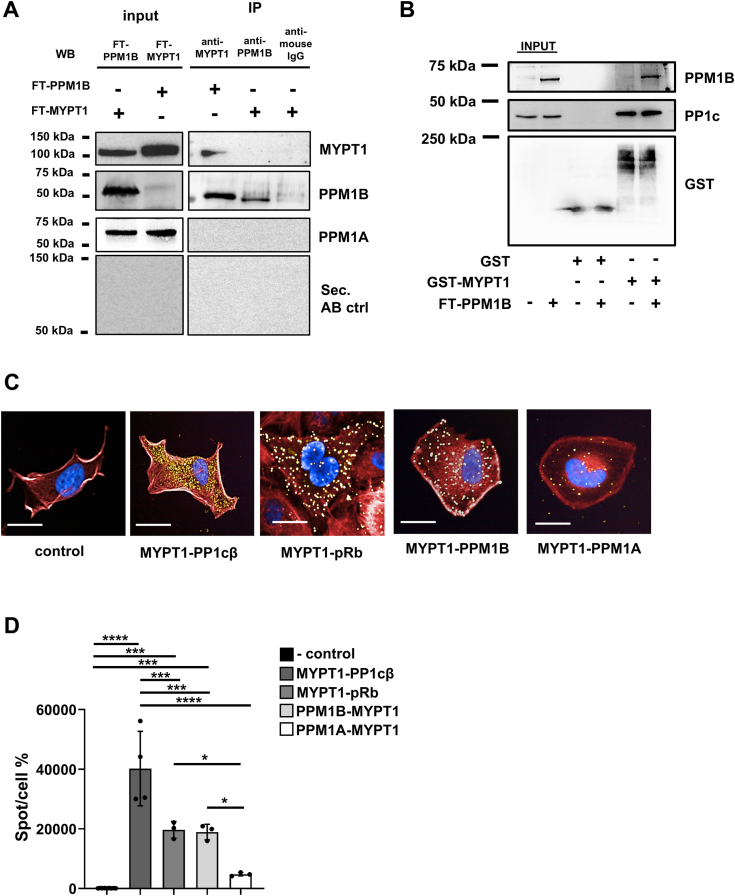
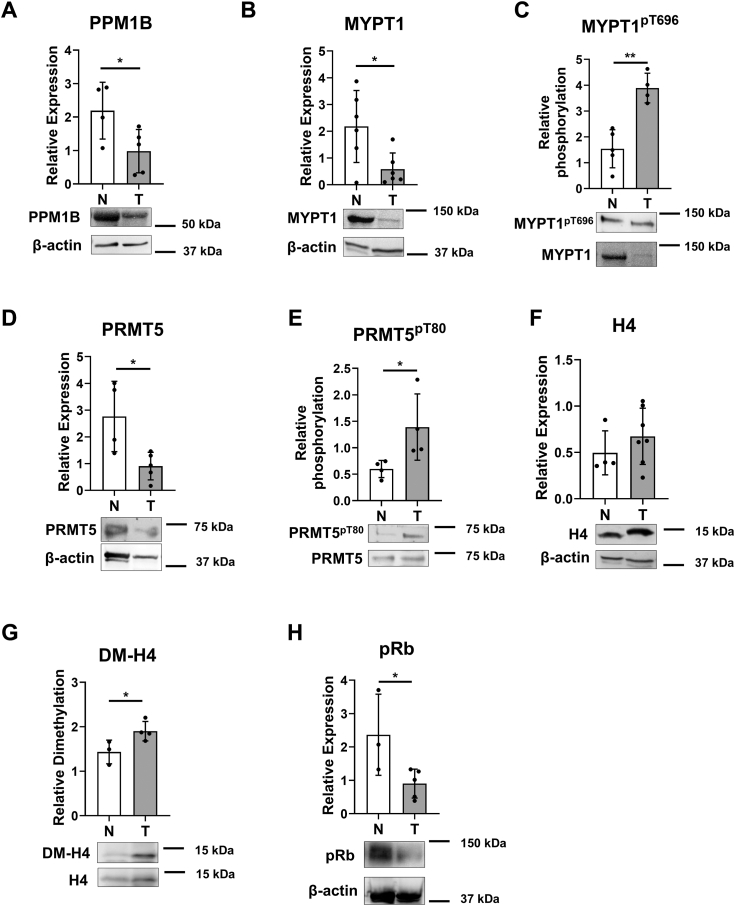
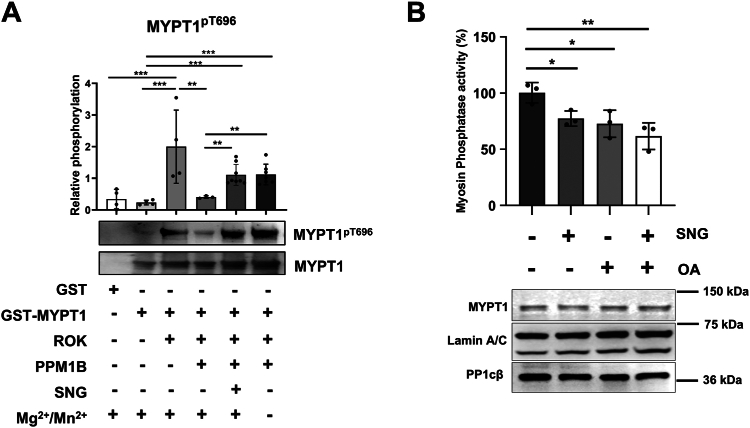
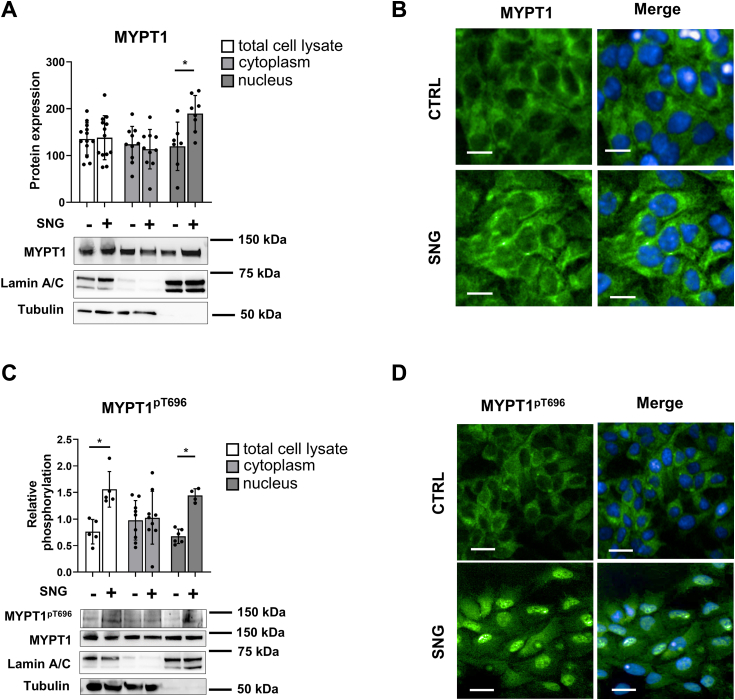
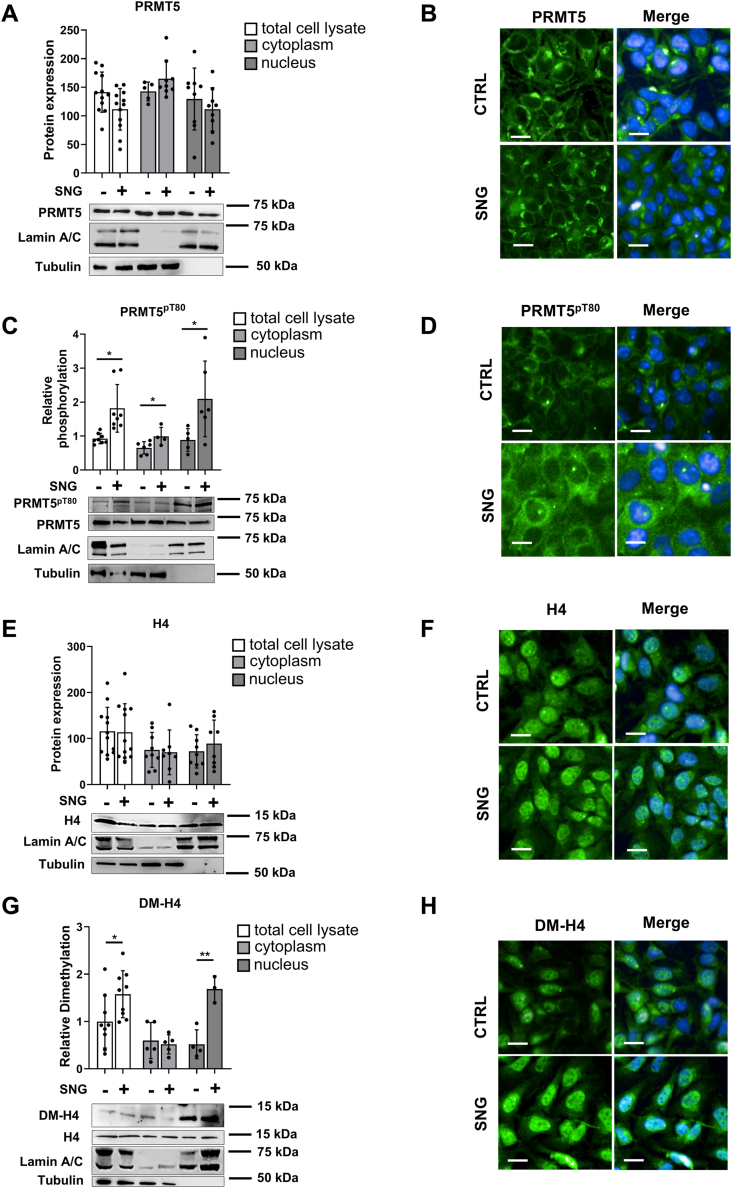
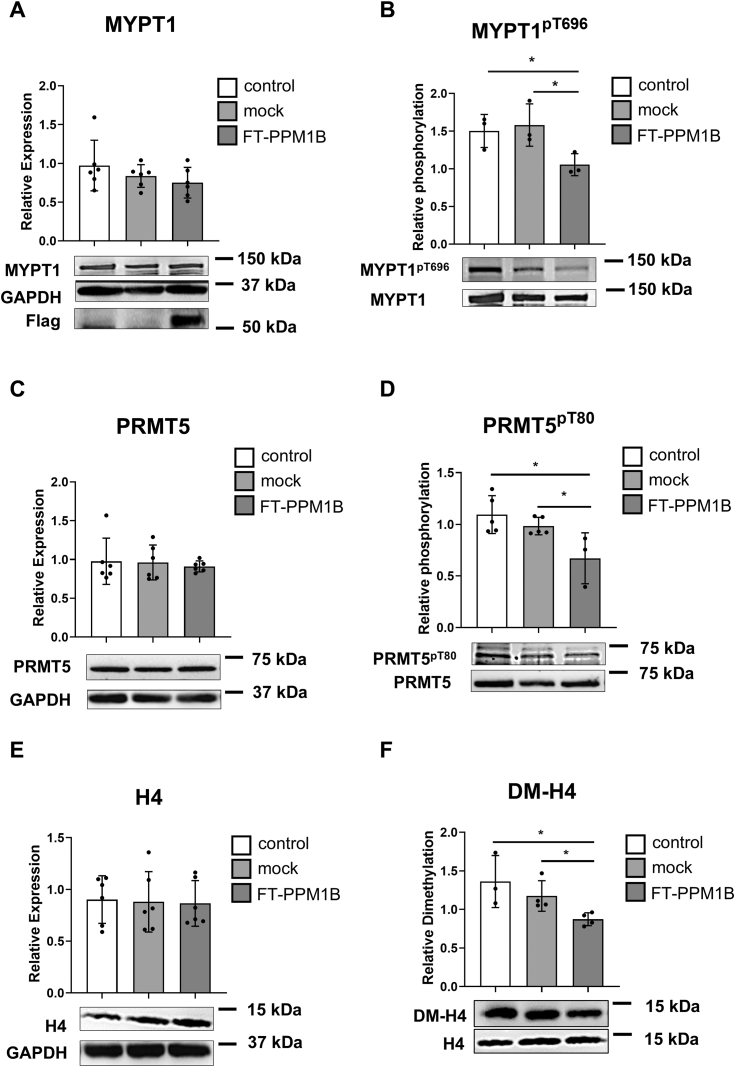
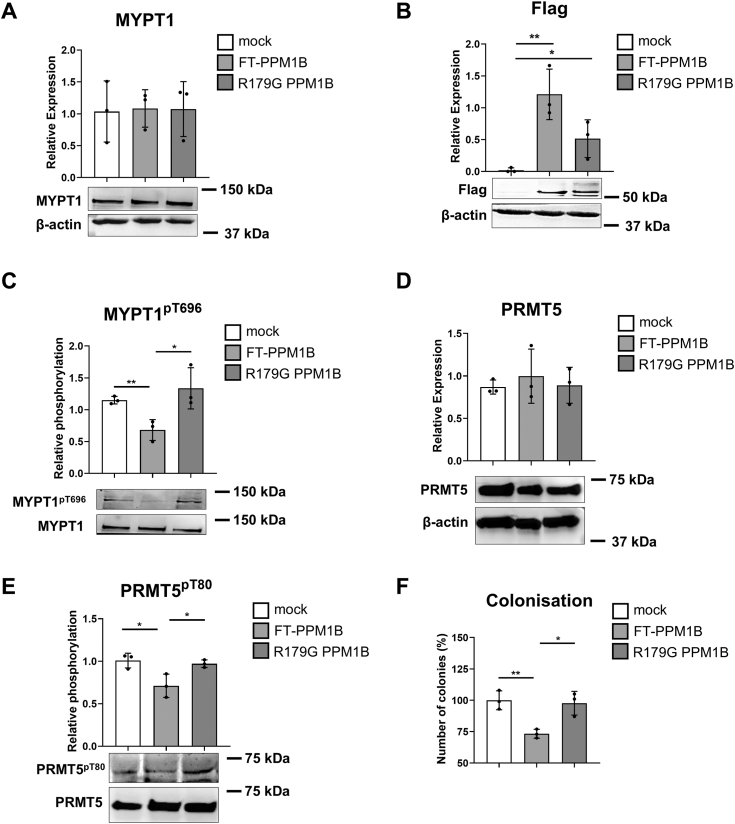
Dysregulation of the expression levels and the activity of kinases/phosphatases is an intrinsic hallmark of tumor transformation and progression, as either as a primary cause or consequence. The myosin phosphatase (MP)/protein arginine methyltransferase 5 (PRMT5)/histone (H4) pathway is an oncogenic signaling pathway downregulating the gene expression of tumor suppressors. However, the upstream regulators of the pathway are unknown. We show that the Mg-dependent protein phosphatase 1 B (PP2Cb or PPM1B) interacts and regulates MP through the MYPT1 regulatory subunit, and this interplay results in the inactivation of the tumorigenic pathway driven by PRMT5. The phospho-Thr696 inhibitory residues of the MYPT1 regulatory subunit of MP was dephosphorylated by PPM1B. The inhibition of PPM1B by sanguinarine resulted in the deactivation of MP and the increased activity of PRMT5 leading to increased symmetric dimethylation of histone H4 in HeLa cells. The overexpression of the PPM1B had the opposite action. The overexpression of PPM1B decreased the colonization activity of HeLa cells through modulation of MP. Finally, human cervical carcinoma biopsies showed almost complete elimination of PPM1B compared to their healthy control counterparts. The phosphorylation of the inhibitory MYPT1 and the regulatory PRMT5 residues and the symmetric dimethylation of H4 were elevated in the cancer biopsies and it resulted in a decrease in retinoblastoma protein expression. The results indicate a tumor suppressor role of the PPM1B/MP axis via inhibition of PRMT5, thereby regulating gene expression through H4 arginine dimethylation. Collectively, PPM1B is a tumor suppressor and a possible tumor marker for cervical carcinoma.
激酶/磷酸酶表达水平和活性的失调是肿瘤转化和进展的一个内在标志,无论是作为主要原因还是结果。肌球蛋白磷酸酶(MP)/蛋白质精氨酸甲基转移酶5(PRMT5)/组蛋白(H4)途径是一条下调肿瘤抑制基因表达的致癌信号通路。然而,该途径的上游调节因子尚不清楚。我们发现镁依赖性蛋白磷酸酶1B(PP2Cb或PPM1B)通过MYPT1调节亚基与MP相互作用并对其进行调节,这种相互作用导致由PRMT5驱动的致癌途径失活。MP的MYPT1调节亚基的磷酸化苏氨酸696抑制性残基被PPM1B去磷酸化。血根碱对PPM1B的抑制导致MP失活以及PRMT5活性增加,从而导致HeLa细胞中组蛋白H4的对称二甲基化增加。PPM1B的过表达则具有相反的作用。PPM1B的过表达通过调节MP降低了HeLa细胞的定植活性。最后,与健康对照相比,人类宫颈癌活检显示PPM1B几乎完全缺失。在癌症活检中,抑制性MYPT1和调节性PRMT5残基的磷酸化以及H4的对称二甲基化升高,导致视网膜母细胞瘤蛋白表达降低。结果表明PPM1B/MP轴通过抑制PRMT5发挥肿瘤抑制作用,从而通过H4精氨酸二甲基化调节基因表达。总的来说,PPM1B是一种肿瘤抑制因子,也是宫颈癌的一种可能的肿瘤标志物。