Wu Kevin Y, Osman Rahma, Kearn Natalie, Kalevar Ananda
Department of Surgery, Division of Ophthalmology, University of Sherbrooke, Sherbrooke, QC J1G 2E8, Canada.
Department of Medicine, School of Medicine, Queen's University, Kingston, ON K7L 3N6, Canada.
Biomimetics (Basel). 2024 Dec 1;9(12):733. doi: 10.3390/biomimetics9120733.
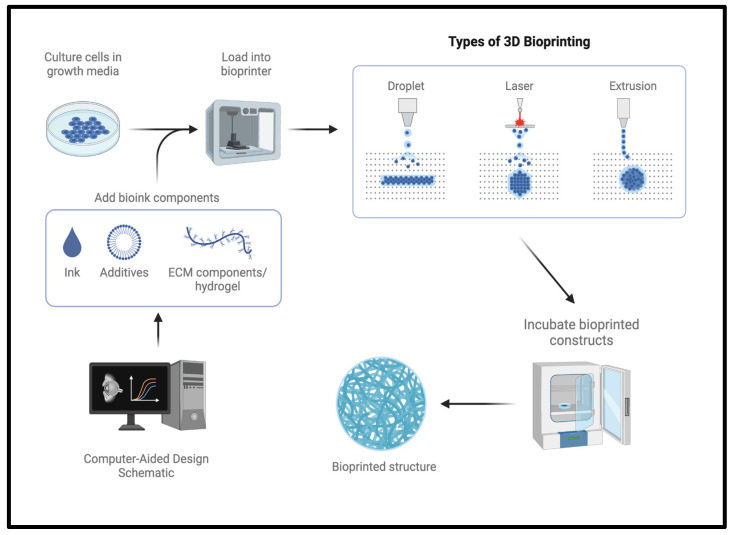
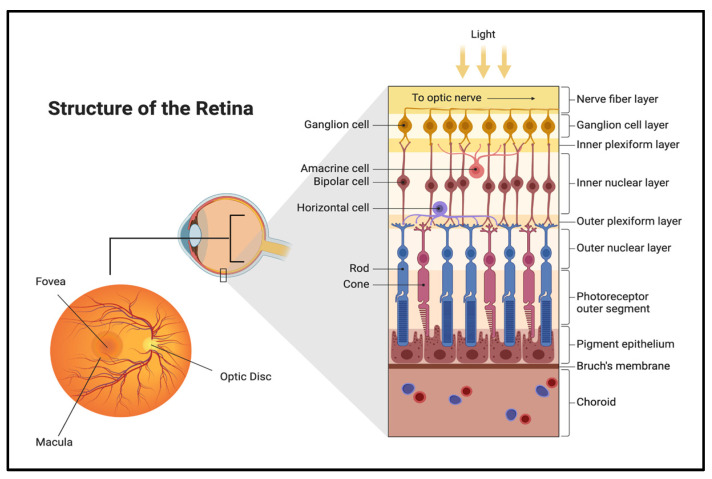
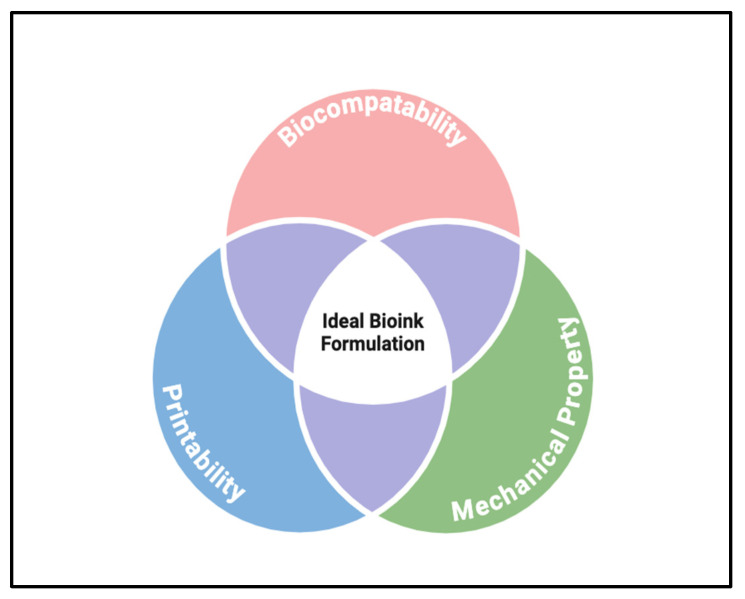
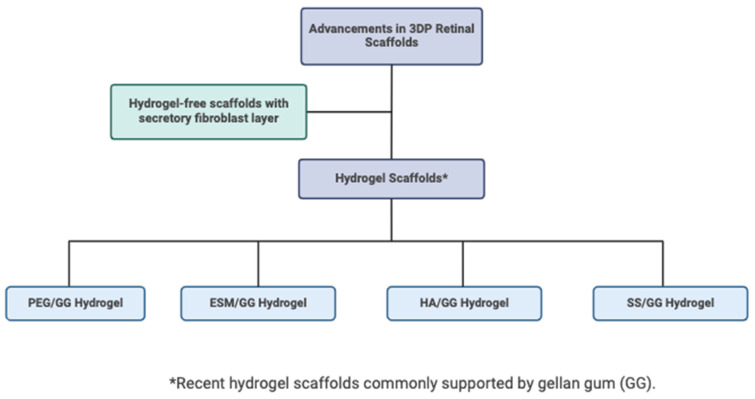
Three-dimensional bioprinting (3DP) is transforming the field of regenerative medicine by enabling the precise fabrication of complex tissues, including the retina, a highly specialized and anatomically complex tissue. This review provides an overview of 3DP's principles, its multi-step process, and various bioprinting techniques, such as extrusion-, droplet-, and laser-based methods. Within the scope of biomimicry and biomimetics, emphasis is placed on how 3DP potentially enables the recreation of the retina's natural cellular environment, structural complexity, and biomechanical properties. Focusing on retinal tissue engineering, we discuss the unique challenges posed by the retina's layered structure, vascularization needs, and the complex interplay between its numerous cell types. Emphasis is placed on recent advancements in bioink formulations, designed to emulate retinal characteristics and improve cell viability, printability, and mechanical stability. In-depth analyses of bioinks, scaffold materials, and emerging technologies, such as microfluidics and organ-on-a-chip, highlight the potential of bioprinted models to replicate retinal disease states, facilitating drug development and testing. While challenges remain in achieving clinical translation-particularly in immune compatibility and long-term integration-continued innovations in bioinks and scaffolding are paving the way toward functional retinal constructs. We conclude with insights into future research directions, aiming to refine 3DP for personalized therapies and transformative applications in vision restoration.
三维生物打印(3DP)正在改变再生医学领域,它能够精确制造复杂组织,包括视网膜,这是一种高度专业化且解剖结构复杂的组织。本文综述了3DP的原理、多步骤过程以及各种生物打印技术,如基于挤出、液滴和激光的方法。在仿生学和生物模拟的范围内,重点介绍了3DP如何潜在地实现视网膜自然细胞环境、结构复杂性和生物力学特性的重现。聚焦于视网膜组织工程,我们讨论了视网膜分层结构、血管化需求以及其众多细胞类型之间复杂相互作用所带来的独特挑战。重点介绍了生物墨水配方的最新进展,这些配方旨在模拟视网膜特征并提高细胞活力、可打印性和机械稳定性。对生物墨水、支架材料以及微流体和芯片器官等新兴技术的深入分析,突出了生物打印模型复制视网膜疾病状态的潜力,有助于药物开发和测试。虽然在实现临床转化方面仍存在挑战,特别是在免疫相容性和长期整合方面,但生物墨水和支架的持续创新正在为功能性视网膜构建体铺平道路。我们最后对未来研究方向进行了展望,旨在改进3DP以实现个性化治疗和在视力恢复方面的变革性应用。