Xue Yuan, Salmon Carrie, Gogonea Valentin
Department of Chemistry and Biochemistry, The University of Mississippi, University, MS, United States.
Department of Chemistry and Biochemistry, Oberlin College and Conservatory, Oberlin, OH, United States.
Front Chem. 2024 Dec 16;12:1486175. doi: 10.3389/fchem.2024.1486175. eCollection 2024.
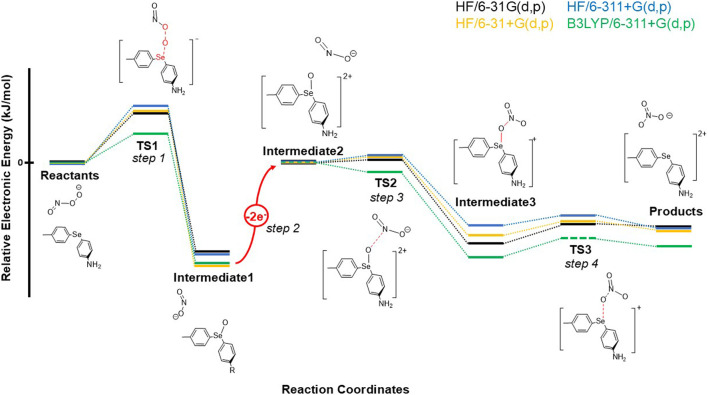
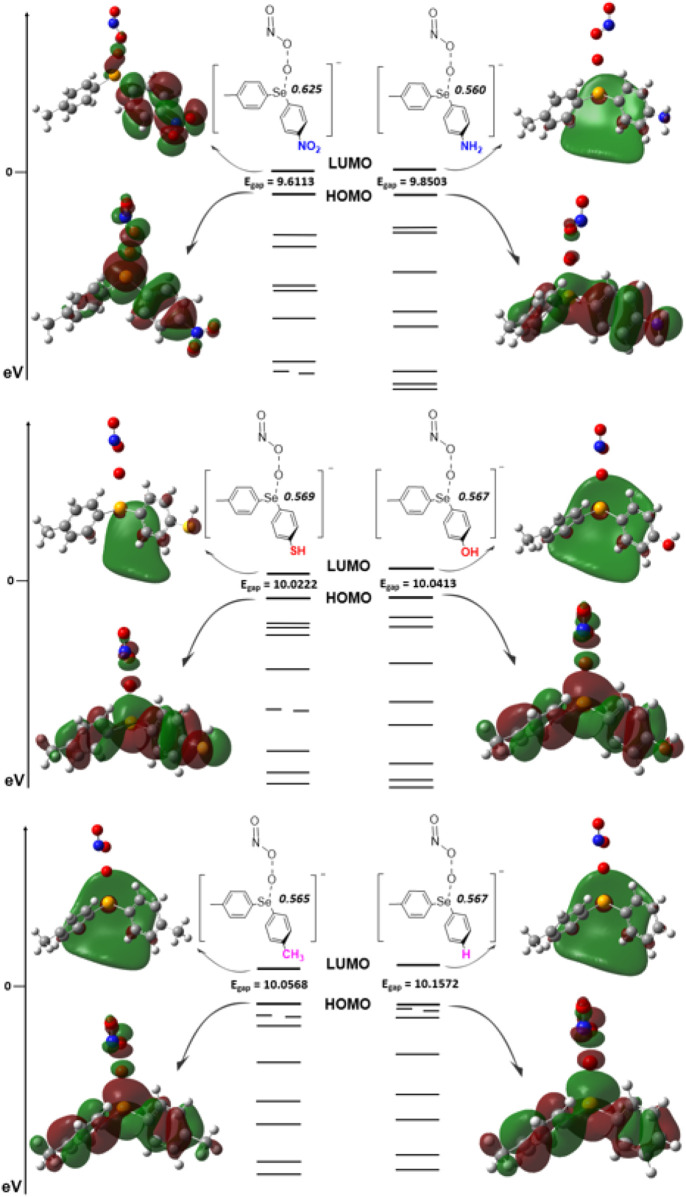
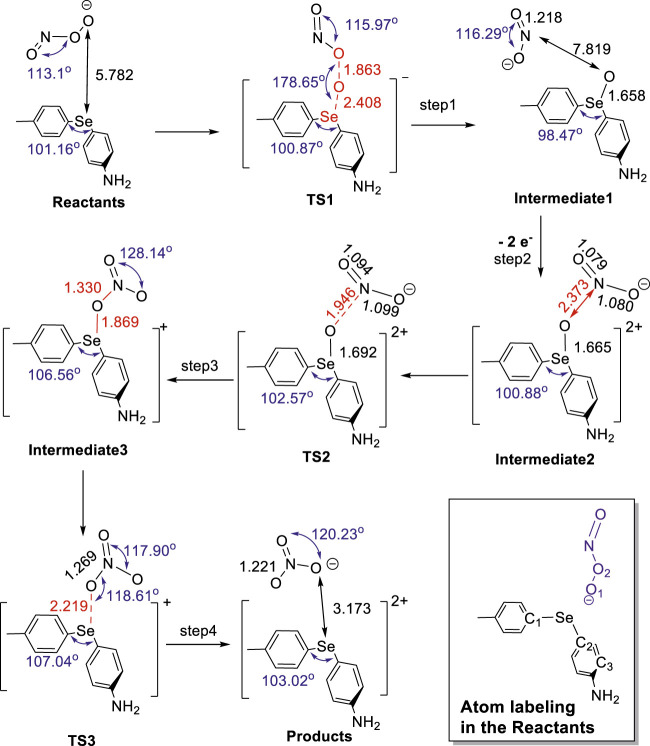
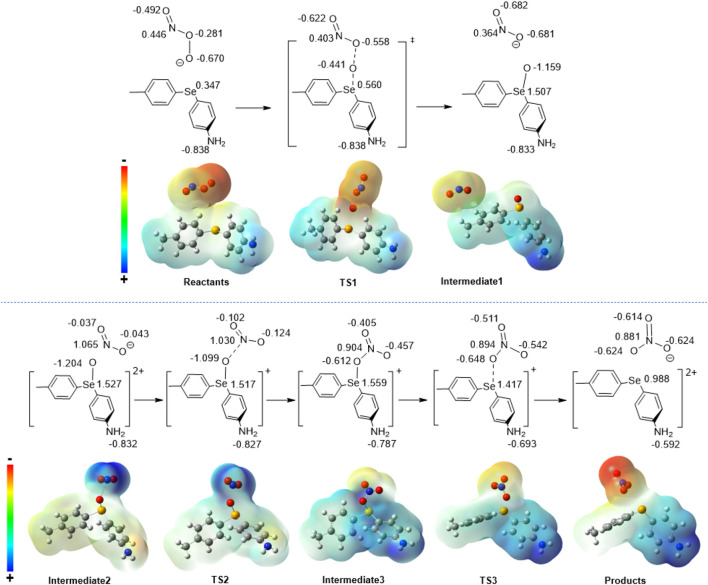
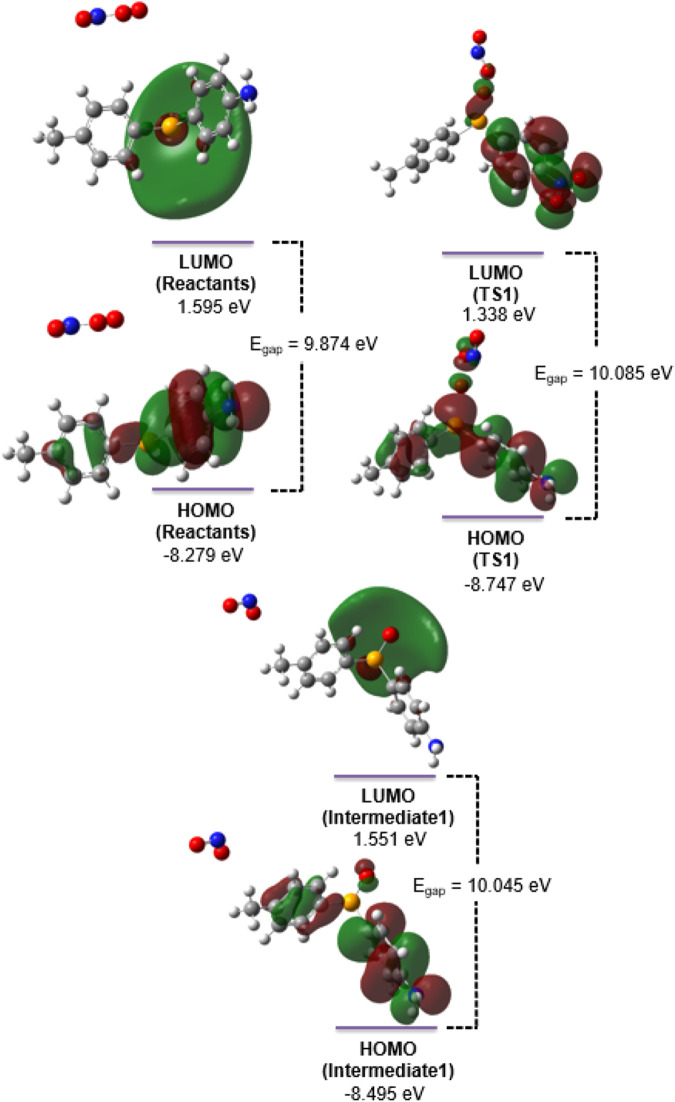
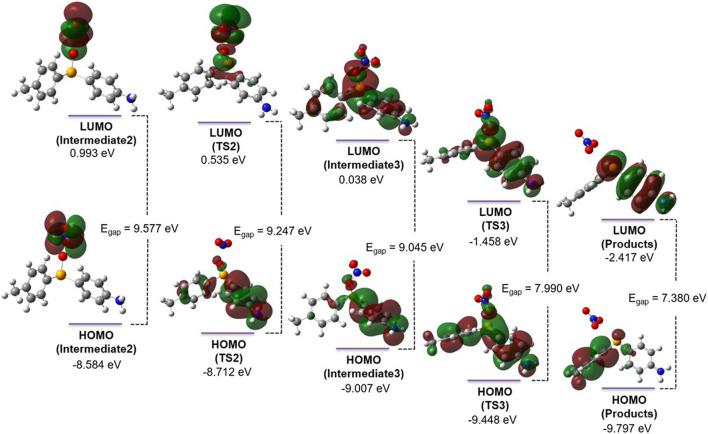
Quenching peroxynitrite (a reactive oxidant species) is a vital process in biological systems and environmental chemistry as it maintains redox balance and mitigates damaging effects in living cells and the environment. In this study, we report a systematic analysis of the mechanism of transforming peroxynitrite into nitrate using diaryl selenide in water. Through quantum mechanical calculations, we investigate the dynamic isomerization of peroxynitrite in a homogeneous catalytic environment. The mapped potential energy surfaces (PESs) generated using various methods in conjunction with different basis sets suggest that the isomerization mechanism includes four major steps: the reaction of peroxynitrite with diaryl selenide via oxygen-bound selenium; selenium oxidation in the presence of an appropriate oxidant; oxygen transfer; and ultimately, the generation of nitrate. The molecular orbital analysis suggests a substituent effect on the aromatic ring of diaryl selenide in this reaction. Changes in both molecular orbitals and electrostatic potential highlight the significance of the electron transfer step in ensuring the progression of this reaction.
淬灭过氧亚硝酸盐(一种活性氧化物种)在生物系统和环境化学中是一个至关重要的过程,因为它能维持氧化还原平衡并减轻对活细胞和环境的破坏作用。在本研究中,我们报告了对在水中使用二芳基硒将过氧亚硝酸盐转化为硝酸盐的机制的系统分析。通过量子力学计算,我们研究了过氧亚硝酸盐在均相催化环境中的动态异构化。使用各种方法结合不同基组生成的映射势能面(PESs)表明,异构化机制包括四个主要步骤:过氧亚硝酸盐通过氧键合的硒与二芳基硒反应;在适当氧化剂存在下硒的氧化;氧转移;最终生成硝酸盐。分子轨道分析表明该反应中二芳基硒芳环上存在取代基效应。分子轨道和静电势的变化都突出了电子转移步骤在确保该反应进行中的重要性。