Zou Qianmei, Zhao Longyuan, Guan Lirong, Chen Ping, Zhao Jie, Zhao Yueying, Du Yunlong, Xie Yong
College of Plant Protection, Yunnan Agricultural University, Kunming, China.
College of Chemical Engineering, Yunnan Open University, Kunming, China.
Front Plant Sci. 2024 Dec 19;15:1501400. doi: 10.3389/fpls.2024.1501400. eCollection 2024.
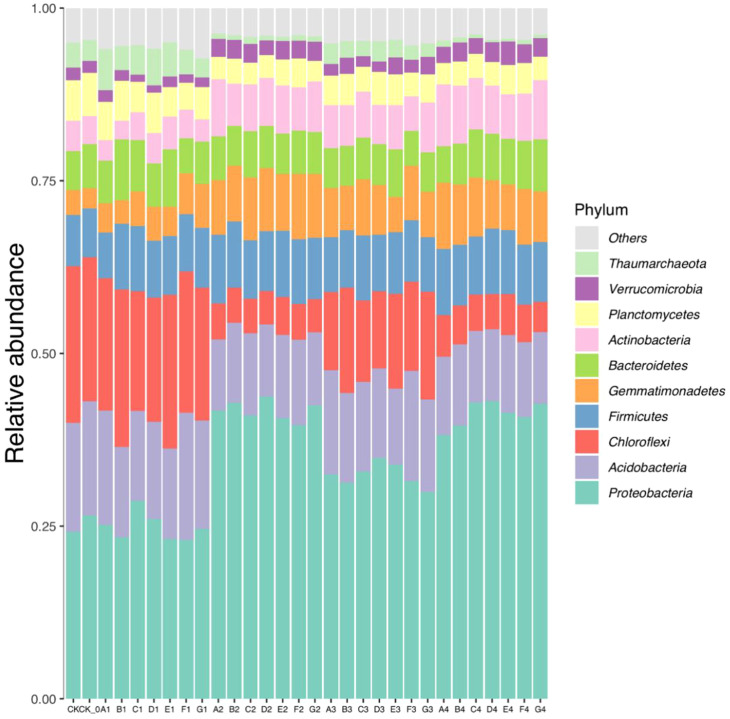
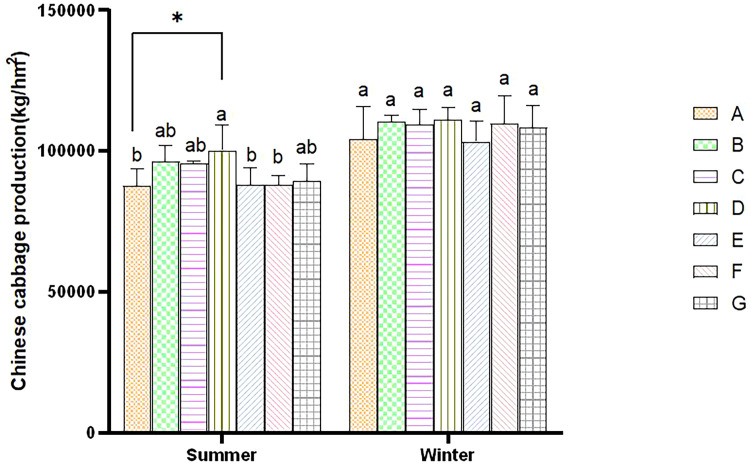
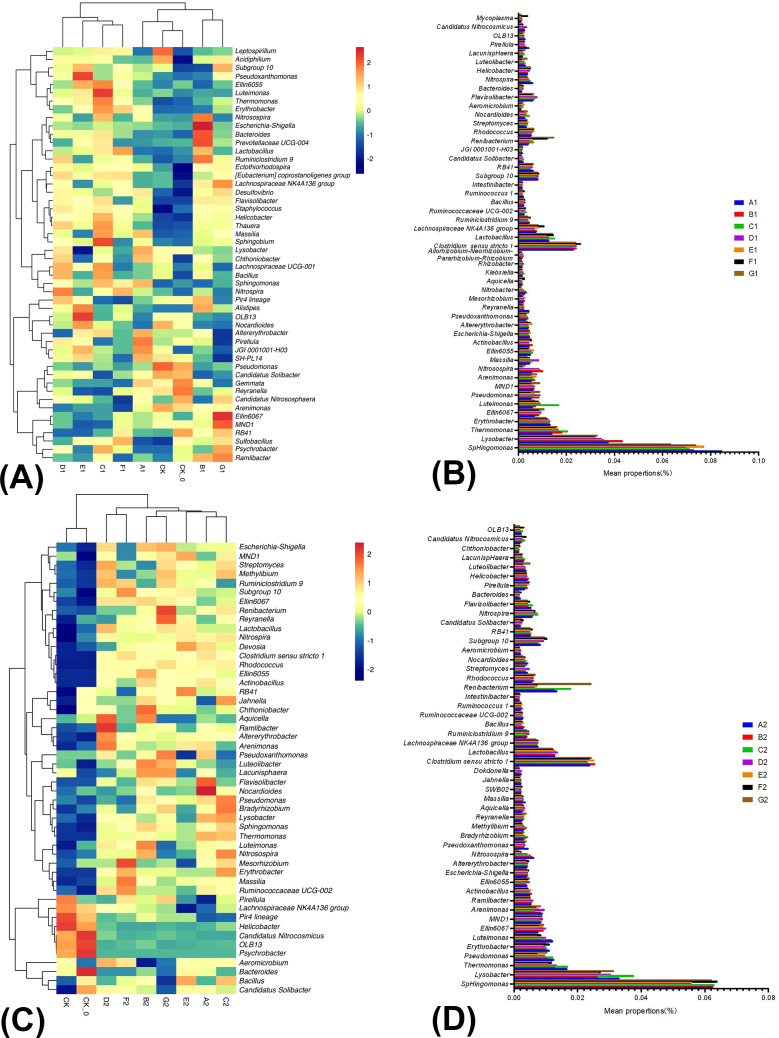
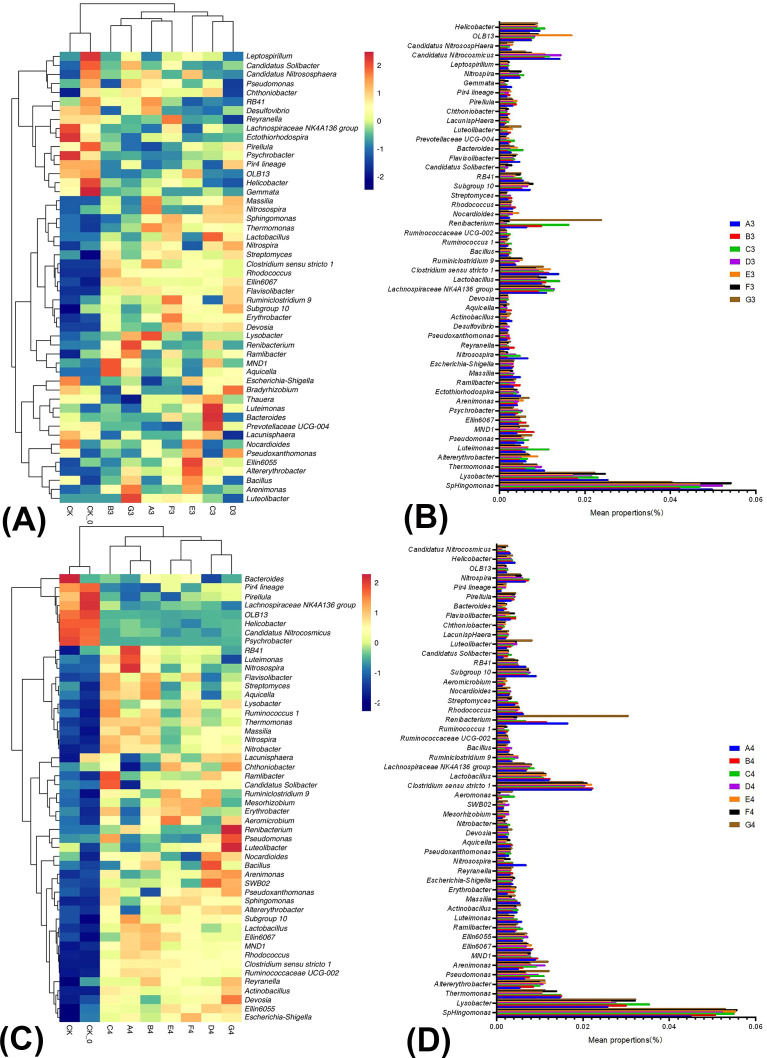
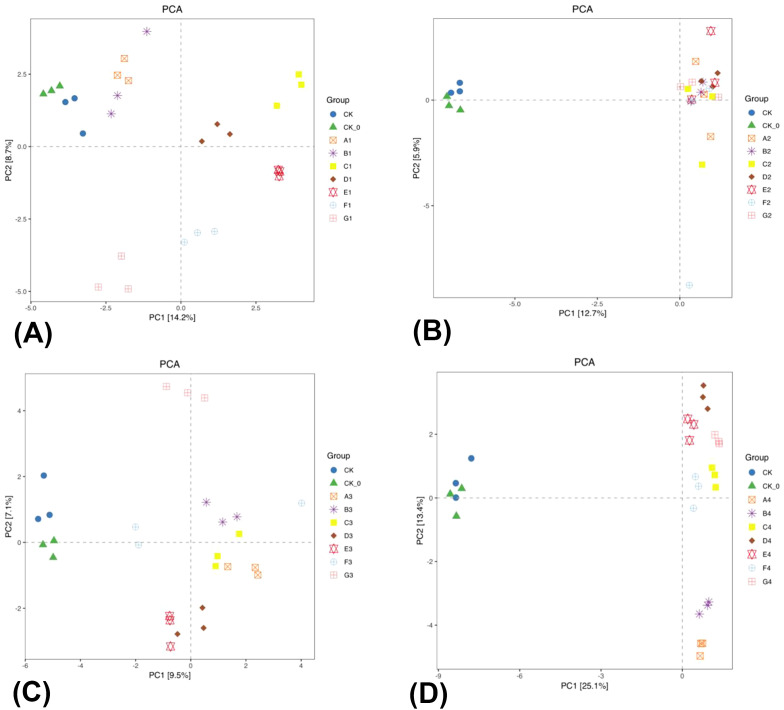
Excessive use of chemical fertilizers and extensive farming can degrade soil properties so that leading to decline in crop yields. Combining plant growth-promoting rhizobacteria (PGPR) with biochar (BC) may be an alternative way to mitigate this situation. However, the proportion of PGPR and BC at which crop yield can be improved, as well as the improvement effect extent on different eco-geographic region and crops, remain unclear. This research used cabbage [ (Lour.) Rupr.] as the target crop and established as treatment conventional fertilization as a control and a 50% reduction in nitrogen fertilizer at the Yunnan-Guizhou Plateau of China, adding BC or PGPR to evaluate the effects of different treatments on cabbage yield and the soil physicochemical properties. Specifically, high-throughput sequencing probed beneficial soil microbial communities and investigated the impact of BC and PGPR on cabbage yield and soil properties. The results revealed that the soil alkaline hydrolyzable nitrogen (AH-N), available phosphorus (AP), and available potassium (AK) contents were higher in the BC application than in control. The BC application or mixed with PGPR significantly increased the soil organic matter (OM) content (P<0.05), with a maximum of 42.59 g/kg. Further, applying BC or PGPR significantly increased the abundance of beneficial soil microorganisms in the whole growth period of cabbage (P<0.05), such as , , and . Meanwhile, the co-application of BC and PGPR increased the abundance of , and also significantly enhanced the Shannon index and Simpson index of bacterial community (P<0.05). Combined or not with PGPR, the BC application significantly enhanced cabbage yield (P<0.05), with the highest yield reached 1.41 fold of the control. Our research indicated that BC is an suitable and promising carrier of PGPR for soil improvement, combining BC and PGPR can effectively ameliorate the diversity of bacterial community even in acid red soil rhizosphere, and the most direct reflection is to improve soil fertility and cabbage yield.
过度使用化肥和粗放式耕作会使土壤性质退化,从而导致作物产量下降。将植物促生根际细菌(PGPR)与生物炭(BC)结合使用可能是缓解这种情况的一种替代方法。然而,能够提高作物产量的PGPR和BC的比例,以及对不同生态地理区域和作物的改善效果程度仍不清楚。本研究以甘蓝[( Lour.)Rupr.]作为目标作物,在中国云贵高原设置常规施肥作为对照和减氮50%的处理,并添加生物炭或植物促生根际细菌,以评估不同处理对甘蓝产量和土壤理化性质的影响。具体而言,通过高通量测序探测有益土壤微生物群落,并研究生物炭和植物促生根际细菌对甘蓝产量和土壤性质的影响。结果表明,施用生物炭的土壤中碱解氮(AH-N)、有效磷(AP)和速效钾(AK)含量高于对照。施用生物炭或与植物促生根际细菌混合显著增加了土壤有机质(OM)含量(P<0.05),最高可达42.59 g/kg。此外,施用生物炭或植物促生根际细菌显著增加了甘蓝整个生育期有益土壤微生物的丰度(P<0.05),如 、 和 。同时,生物炭和植物促生根际细菌的共同施用增加了 的丰度,也显著提高了细菌群落的香农指数和辛普森指数(P<0.05)。无论是否与植物促生根际细菌结合,施用生物炭均显著提高了甘蓝产量(P<0.05),最高产量达到对照的1.41倍。我们的研究表明,生物炭是一种适合且有前景的植物促生根际细菌土壤改良载体,生物炭与植物促生根际细菌结合即使在酸性红壤根际也能有效改善细菌群落多样性,最直接的体现是提高土壤肥力和甘蓝产量。