Padhi Biswajit, Liu Ruoqi, Yang Yuedi, Peng Xueqiao, Li Lang, Zhang Pengyue, Zhang Ping
Department of Computer Science and Engineering, The Ohio State University, 2015 Neil Ave, Columbus, OH 43210, USA.
Department of Biostatistics and Health Data Science, Indiana University School of Medicine, 410 W. 10th Street HITS 3000, Indianapolis, IN 46202, USA.
Heliyon. 2024 Nov 5;10(22):e39728. doi: 10.1016/j.heliyon.2024.e39728. eCollection 2024 Nov 30.
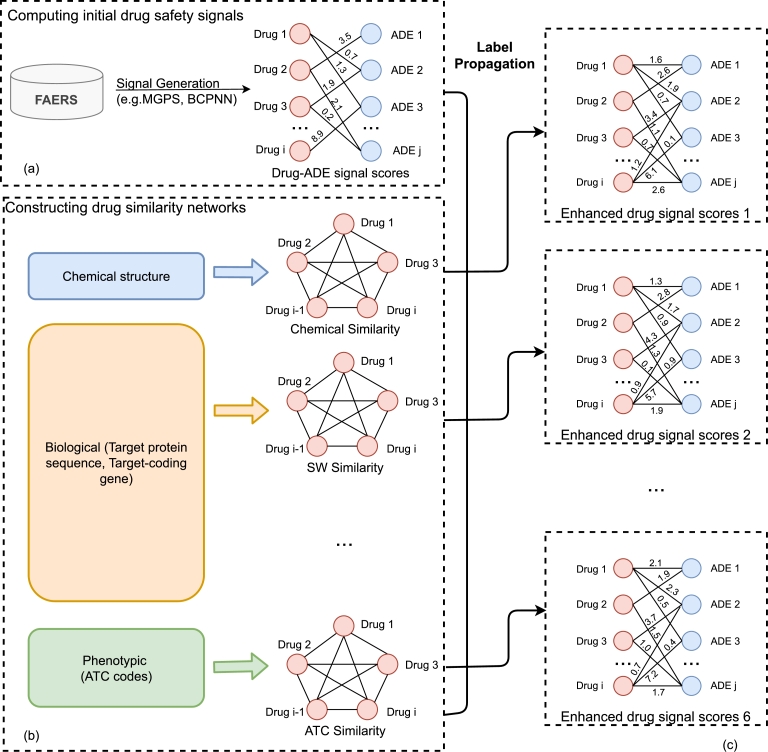
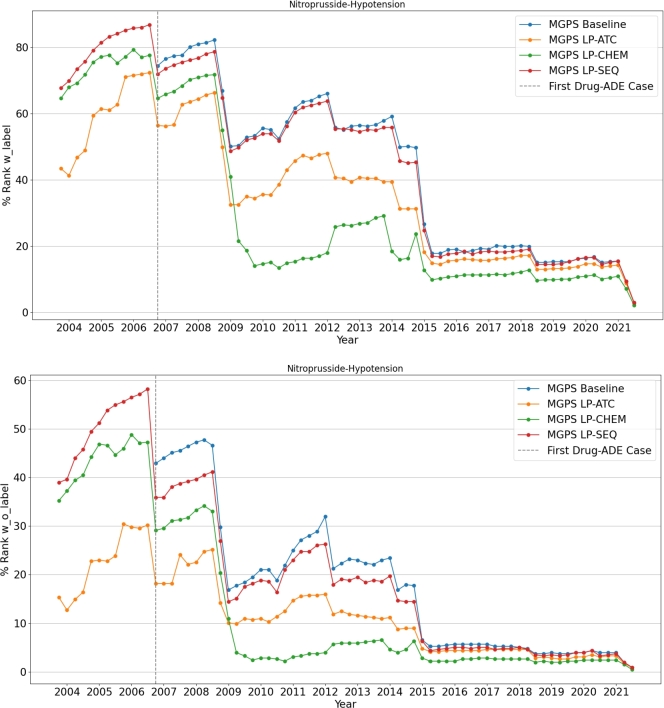
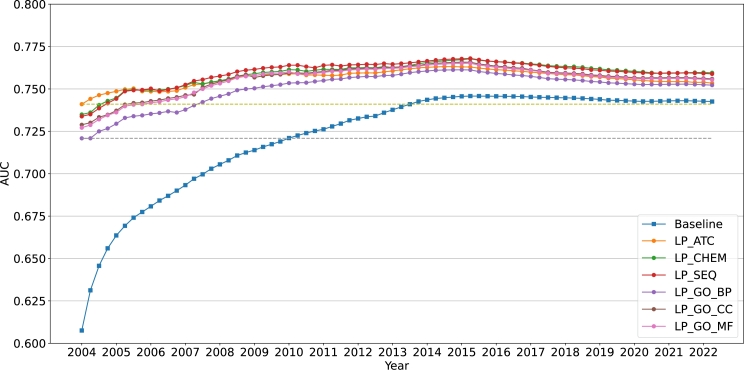
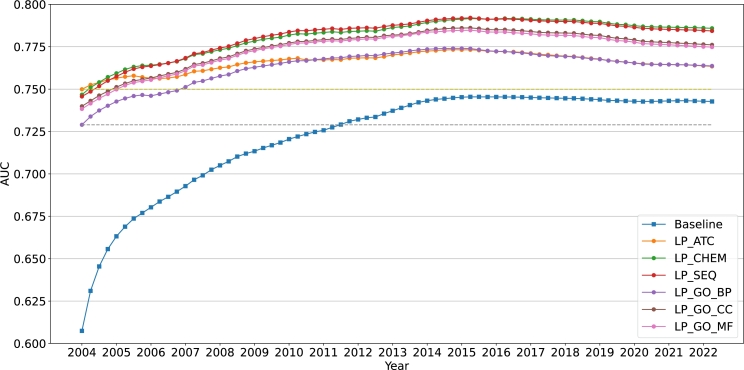
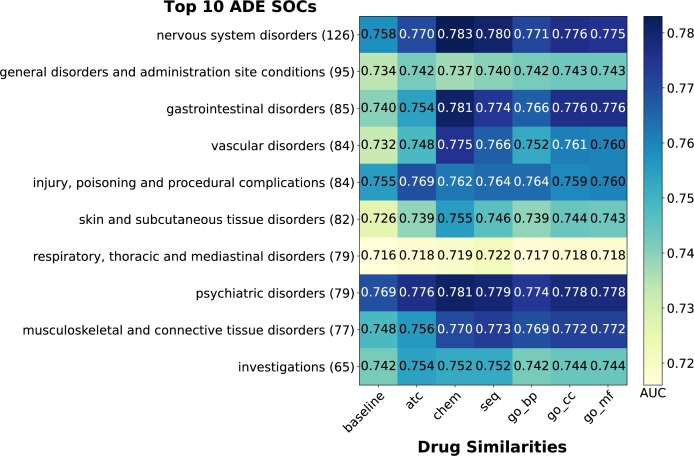
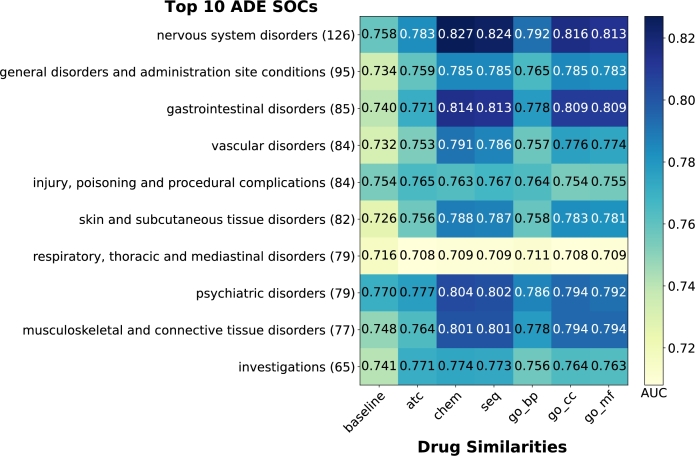
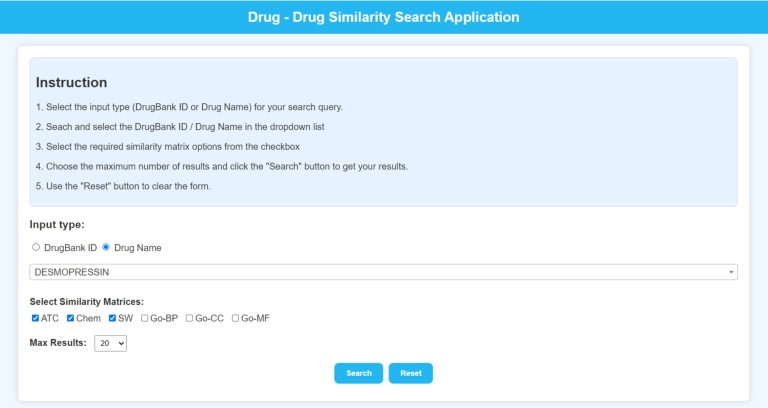
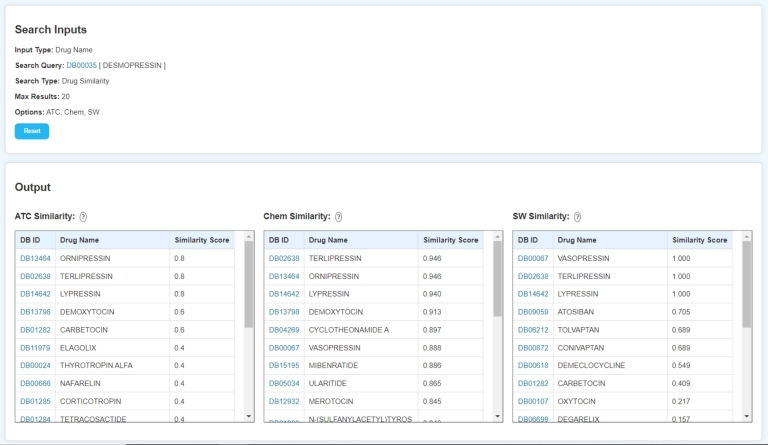
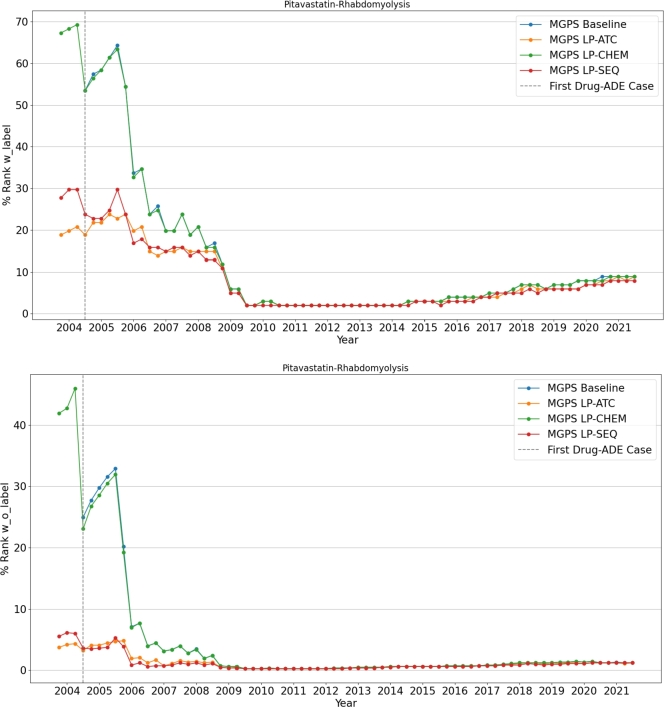
The occurrence of an adverse drug event (ADE) has become a serious social concern of public health. Early detection of ADEs can lower the risk of drug safety as well as the expense of the drug. While post-market spontaneous reports of ADEs remain a cornerstone of pharmacovigilance, most existing signal detection algorithms rely on substantial accumulated data, limiting their applicability to early ADE detection when reports are scarce. To address this issue, we propose a label propagation model for generating enhanced drug safety signals using multiple drug features. We first construct multiple drug similarity networks using a range of drug features. We then calculate initial drug safety signals using conventional signal detection algorithms. These original signals are subsequently propagated across each drug similarity network to obtain enhanced drug safety signals. We evaluate our proposed model using two common signal detection algorithms on data from the FDA Adverse Event Reporting System (FAERS). Results demonstrate that enhanced drug safety signals with pre-clinical information outperform the standard safety signal detection algorithms on early ADE detection. In addition, we systematically evaluate the performance of different drug similarities against different types of ADEs. Furthermore, we have developed a web interface (http://drug-drug-sim.aimedlab.net/) to display our multiple drug similarity scores, facilitating access to this valuable resource for drug safety monitoring.
药物不良事件(ADE)的发生已成为公共卫生领域一个严重的社会关注点。早期发现ADEs可以降低药物安全风险以及药物成本。虽然上市后ADEs的自发报告仍然是药物警戒的基石,但大多数现有的信号检测算法依赖大量积累的数据,当报告稀缺时,限制了它们在早期ADE检测中的适用性。为了解决这个问题,我们提出了一种标签传播模型,用于使用多种药物特征生成增强的药物安全信号。我们首先使用一系列药物特征构建多个药物相似性网络。然后使用传统信号检测算法计算初始药物安全信号。这些原始信号随后在每个药物相似性网络中传播,以获得增强的药物安全信号。我们使用两种常见的信号检测算法对来自美国食品药品监督管理局不良事件报告系统(FAERS)的数据评估我们提出的模型。结果表明,具有临床前信息的增强药物安全信号在早期ADE检测方面优于标准安全信号检测算法。此外,我们系统地评估了不同药物相似性针对不同类型ADEs的性能。此外,我们开发了一个网络界面(http://drug-drug-sim.aimedlab.net/)来展示我们的多种药物相似性得分,便于获取这一用于药物安全监测的宝贵资源。