Cerulli Antonietta, Cuozzo Roberta, Melis Maria Paola, Serreli Gabriele, Deiana Monica, Masullo Milena, Piacente Sonia
Dipartimento di Farmacia, Università degli Studi di Salerno, via Giovanni Paolo II n. 132, 84084 Fisciano, SA, Italy.
Agritech National Research Center, Corso Umberto 40, 80138 Naples, CM, Italy.
Plants (Basel). 2024 Dec 23;13(24):3591. doi: 10.3390/plants13243591.
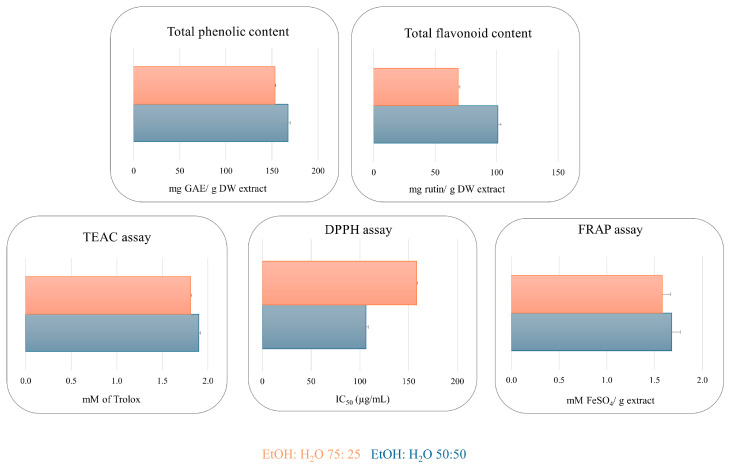
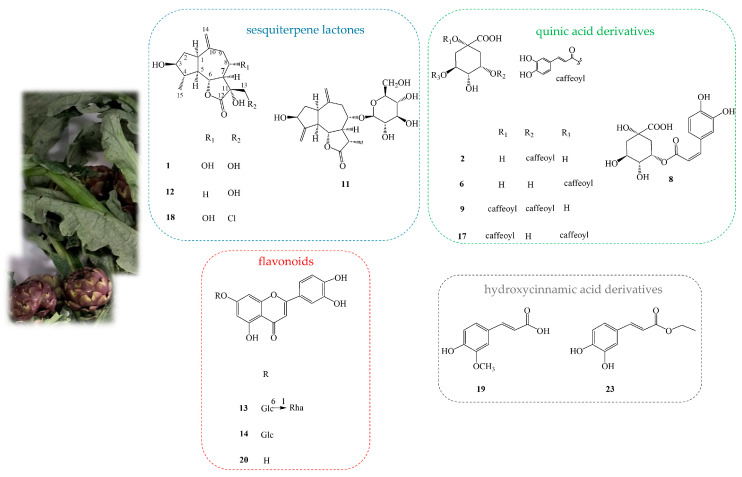
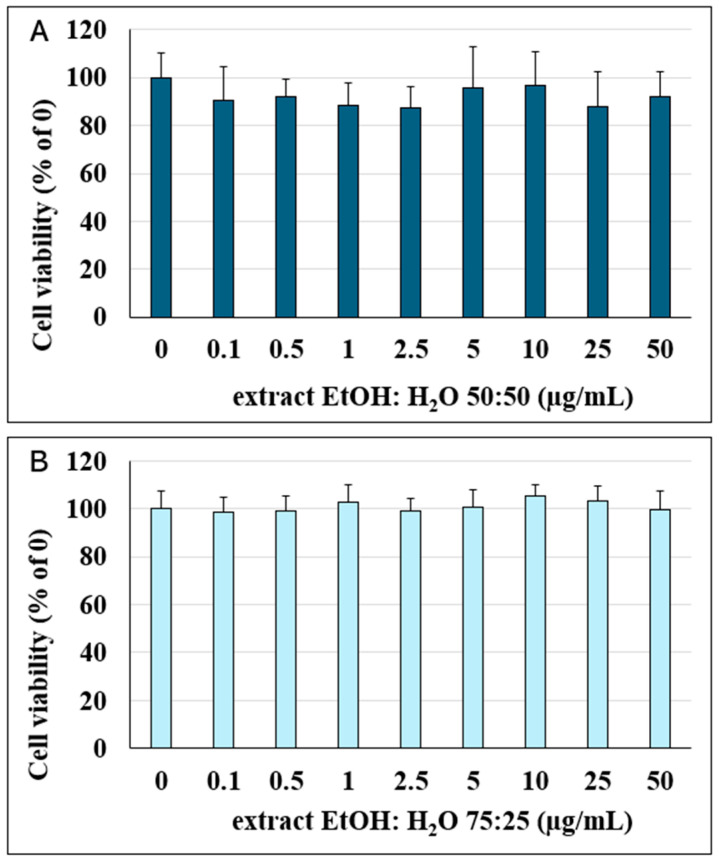
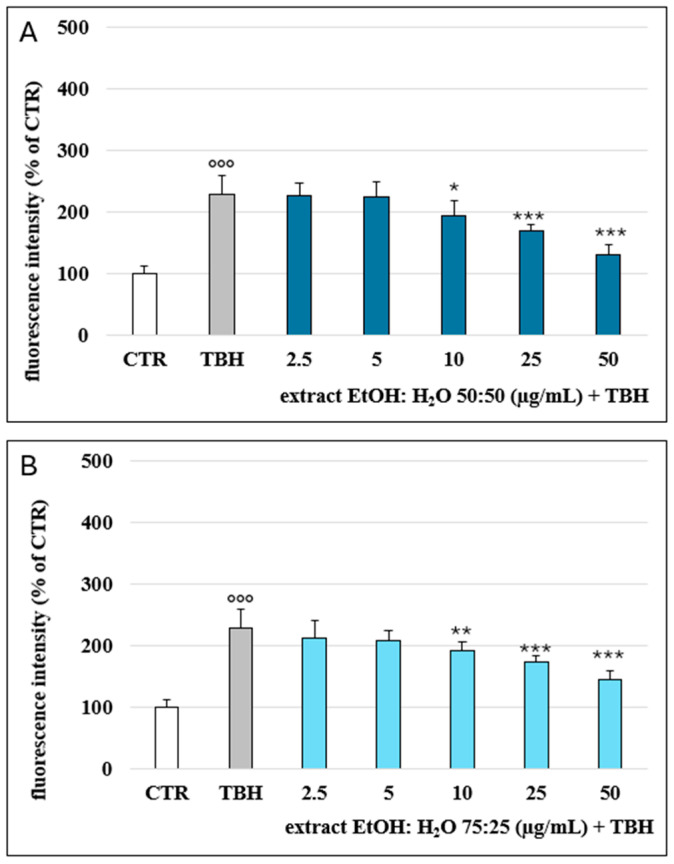
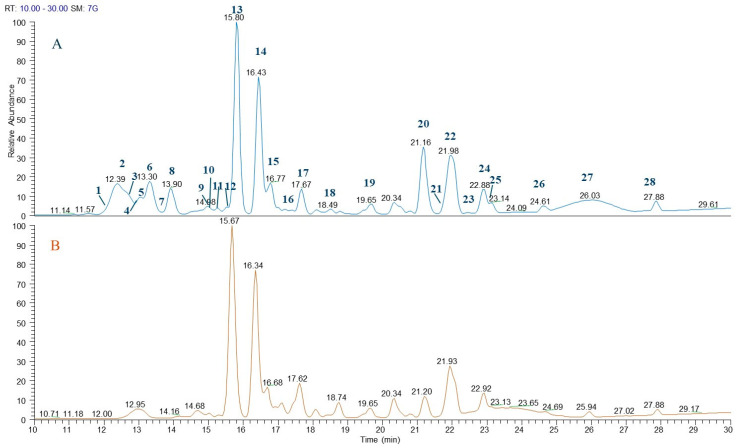
The Italian Carciofo di Paestum () PGI, an artichoke variety from the Campania region, was investigated for its potential to reuse by-products for food supplements. EtOH:HO 50:50 and 75:25 extracts of its leaves were analyzed for phenolic and flavonoid content and antioxidant activity (TEAC: 1.90 and 1.81 mM of Trolox; DPPH IC: 106.31 µg/mL and 128.21 µg/mL; FRAP: 1.68 and 1.58 mM FeSO₄/g extract). To further investigate the antioxidant potential, the ability of the two extracts to scavenge reactive species was assessed in Caco-2 cell cultures, showing a dose-dependent antioxidant capacity. To highlight metabolites responsible for the activity, LC-ESI/HRMSMS analysis was achieved, revealing 28 compounds (sesquiterpenes, megastigmanes, quinic acid and hydroxycinnamic acid derivatives, flavonoids, lignans, triterpenoid saponins, and polar fatty acids), of which structures were determined using 1D- and 2D-NMR analysis. In addition, quantitative determination of caffeoyl, dicaffeoyl, and quinic acid derivatives (CQAs) was performed through LC-ESI/QTrap/MS/MS, highlighting that the most abundant compound was 5-caffeoylquinic acid (), with values of 9.310 and 7.603 mg/g extract in EtOH:HO (75:25) and EtOH:HO (50:50), respectively. The analysis showed that extracts were rich in bioactive compounds, suggesting their potential for development into antioxidant-based food supplements that may protect cells from oxidative stress and support overall wellness.
对源自坎帕尼亚地区的意大利佩斯图姆洋蓟()PGI品种进行了研究,以探讨其将副产品用于食品补充剂的潜力。分析了其叶片的乙醇:水50:50和75:25提取物中的酚类和黄酮类含量以及抗氧化活性(TEAC:1.90和1.81 mM Trolox;DPPH IC:106.31 µg/mL和128.21 µg/mL;FRAP:1.68和1.58 mM FeSO₄/g提取物)。为了进一步研究抗氧化潜力,在Caco-2细胞培养物中评估了这两种提取物清除活性物质的能力,结果显示出剂量依赖性的抗氧化能力。为了突出负责该活性的代谢物,进行了LC-ESI/HRMSMS分析,鉴定出28种化合物(倍半萜、大柱香波龙类、奎宁酸和羟基肉桂酸衍生物、黄酮类、木脂素、三萜皂苷和极性脂肪酸),其结构通过1D和2D-NMR分析确定。此外,通过LC-ESI/QTrap/MS/MS对咖啡酰、二咖啡酰和奎宁酸衍生物(CQAs)进行了定量测定,结果表明最丰富的化合物是5-咖啡酰奎宁酸(),在乙醇:水(75:25)和乙醇:水(50:50)提取物中的含量分别为9.310和7.603 mg/g提取物。分析表明提取物富含生物活性化合物,表明它们有潜力开发成基于抗氧化剂的食品补充剂,可能保护细胞免受氧化应激并支持整体健康。