
迈向人类空间探索行为的特征描述。
Towards a characterization of human spatial exploration behavior.
作者信息
Baumann Valentin, Dambacher Johannes, Ruitenberg Marit F L, Schomaker Judith, Krauel Kerstin
机构信息
Department of Child and Adolescent Psychiatry and Psychotherapy, University of Magdeburg, Leipziger Strasse 44, 39120, Magdeburg, Germany.
Faculty of Computer Science, University of Magdeburg, Leiden, Germany.
出版信息
Behav Res Methods. 2025 Jan 22;57(2):65. doi: 10.3758/s13428-024-02581-3.
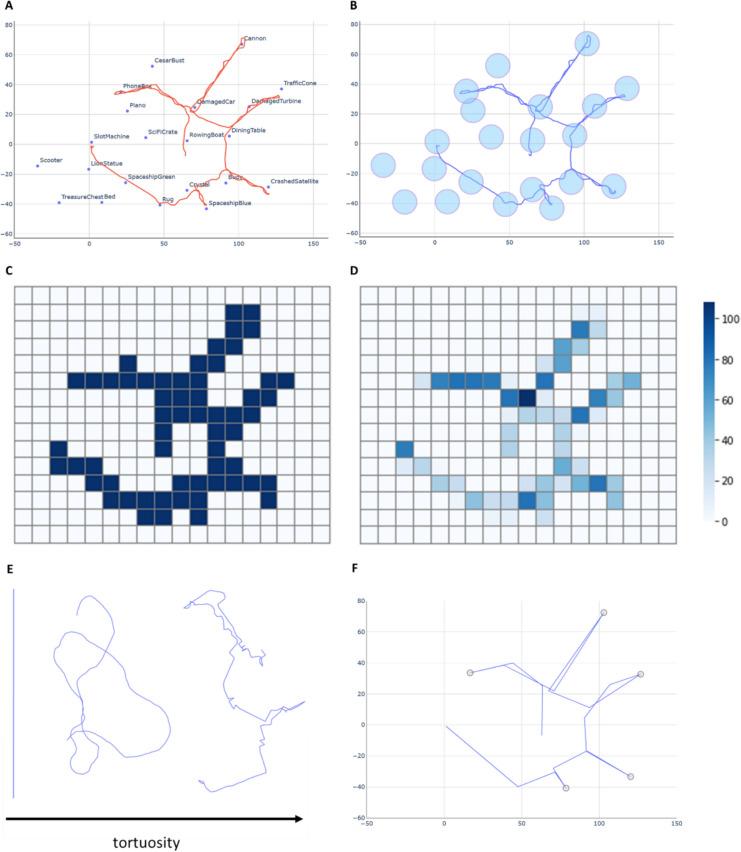
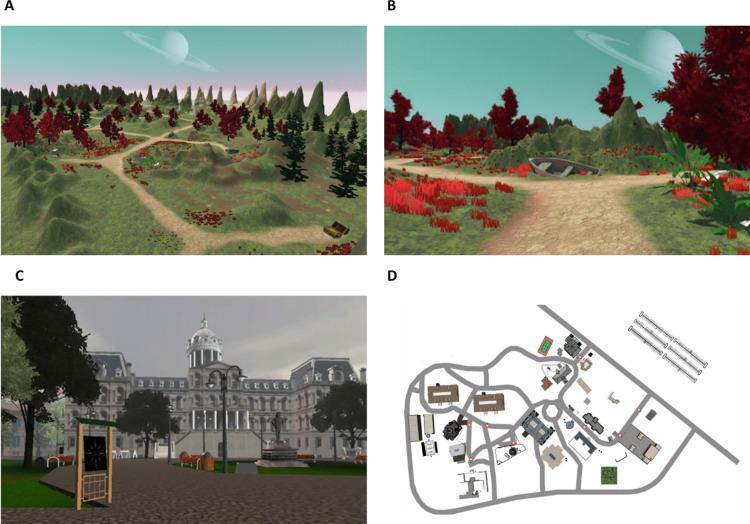
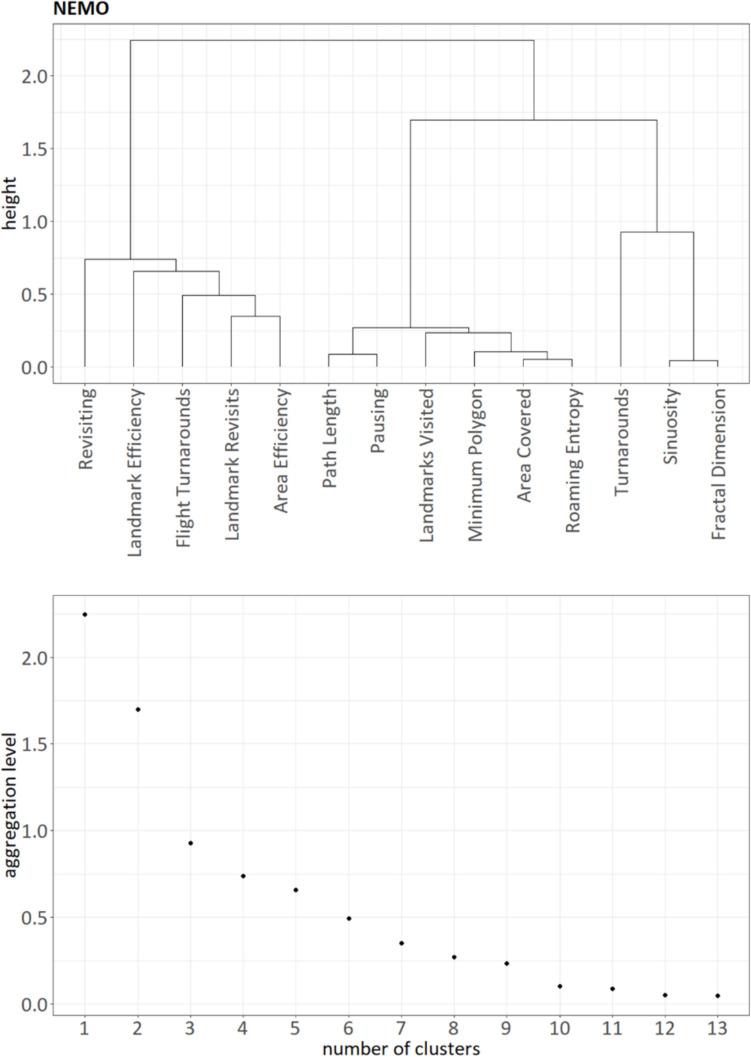
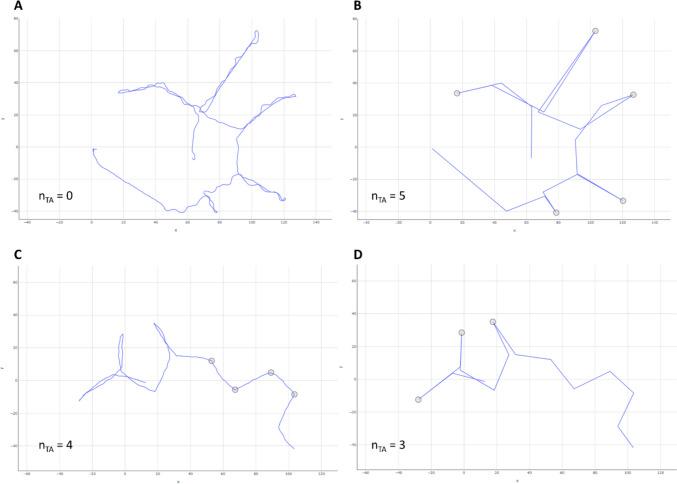
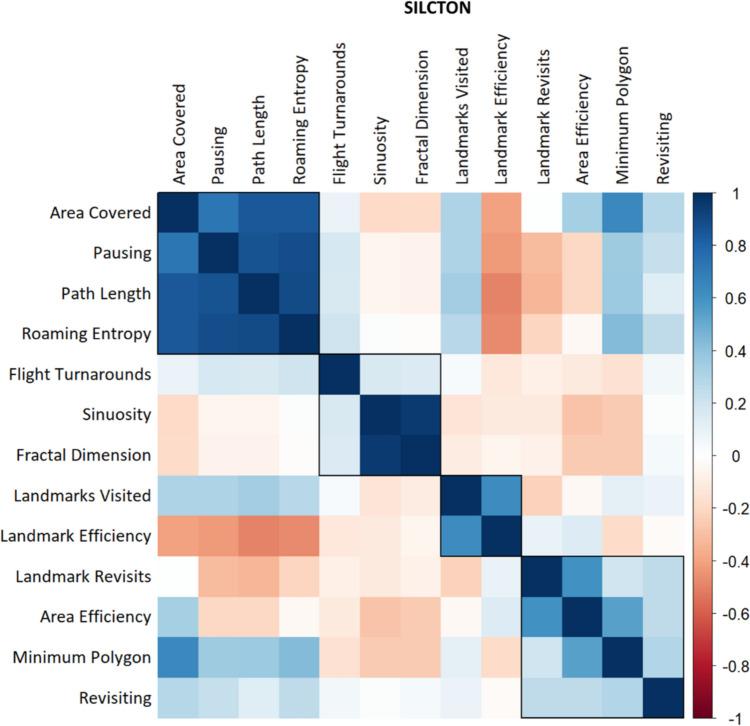
Spatial exploration is a complex behavior that can be used to gain information about developmental processes, personality traits, or mental disorders. Typically, this is done by analyzing movement throughout an unknown environment. However, in human research, until now there has been no overview on how to analyze movement trajectories with regard to exploration. In the current paper, we provide a discussion of the most common movement measures currently used in human research on spatial exploration, and suggest new indices to capture the efficiency of exploration. We additionally analyzed a large dataset (n = 409) of human participants exploring a novel virtual environment to investigate whether movement measures could be assigned to meaningful higher-order components. Hierarchical clustering of the different measures revealed three different components of exploration (exploratory behavior, spatial shape, and exploration efficiency) that in part replicate components of spatial exploratory behavior identified in animal studies. A validation of our analysis on a second dataset (n = 102) indicated that two of these clusters are stable across different contexts as well as participant samples. For the exploration efficiency cluster, our validation showed that it can be further differentiated into a goal-directed versus a general, area-directed component. By also sharing data and code for our analyses, our results provide much-needed tools for the systematic analysis of human spatial exploration behavior.
空间探索是一种复杂行为,可用于获取有关发育过程、人格特质或精神障碍的信息。通常,这是通过分析在未知环境中的移动来实现的。然而,在人类研究中,到目前为止,还没有关于如何分析与探索相关的运动轨迹的综述。在本文中,我们讨论了目前在人类空间探索研究中使用的最常见的运动测量方法,并提出了新的指标来衡量探索效率。我们还分析了一个大型数据集(n = 409),其中人类参与者探索了一个新的虚拟环境,以研究运动测量是否可以被分配到有意义的高阶成分中。对不同测量方法的层次聚类揭示了探索的三个不同成分(探索行为、空间形状和探索效率),部分重复了在动物研究中确定的空间探索行为的成分。在第二个数据集(n = 102)上对我们的分析进行验证表明,这些聚类中的两个在不同背景以及参与者样本中都是稳定的。对于探索效率聚类,我们的验证表明它可以进一步细分为目标导向型和一般区域导向型成分。通过分享我们分析的数据和代码,我们的结果为系统分析人类空间探索行为提供了急需的工具。


 Zotero 插件