Arslan Ümit, Jalalzai Izatullah
Department of Cardiovascular Surgery, Faculty of Medicine, Atatürk University, Erzurum 25030, Türkiye.
Diagnostics (Basel). 2025 Jan 14;15(2):183. doi: 10.3390/diagnostics15020183.
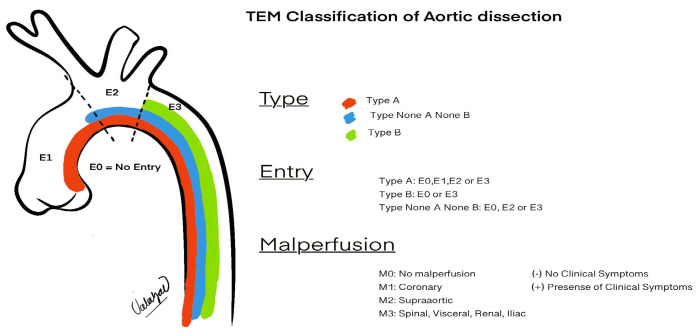
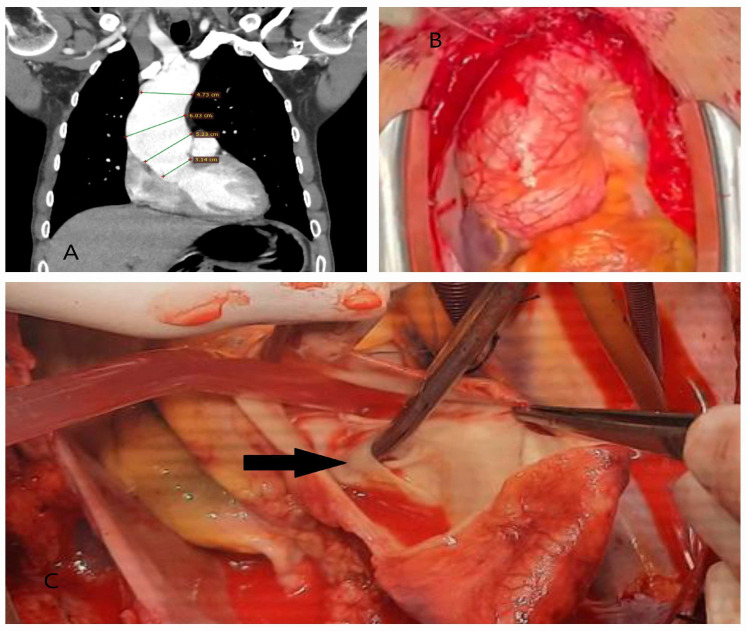
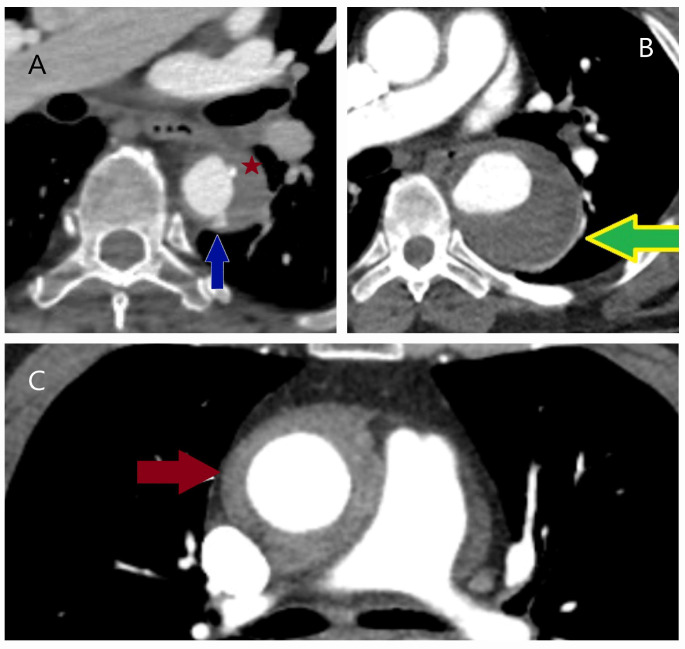
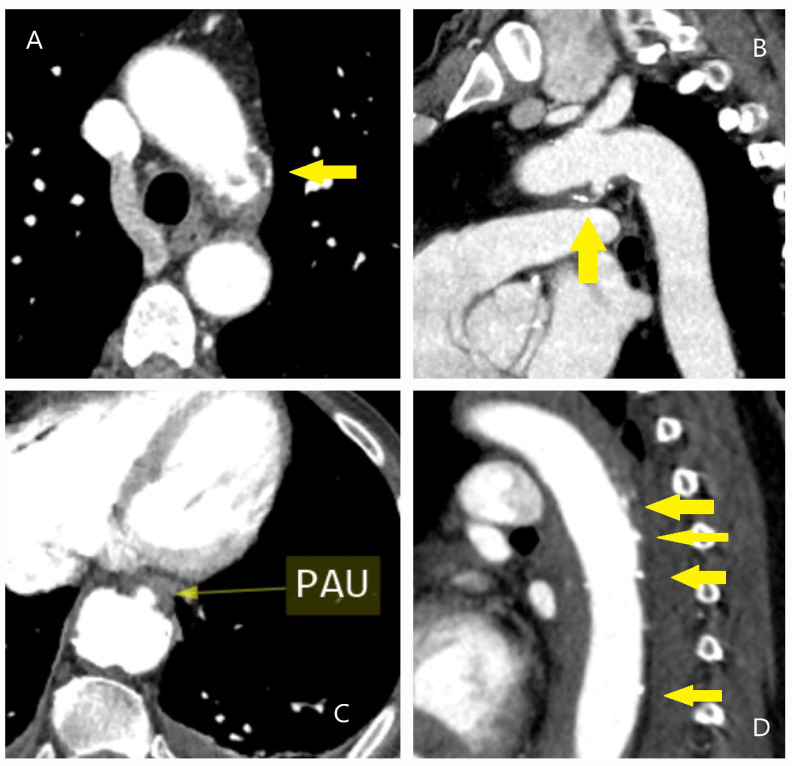
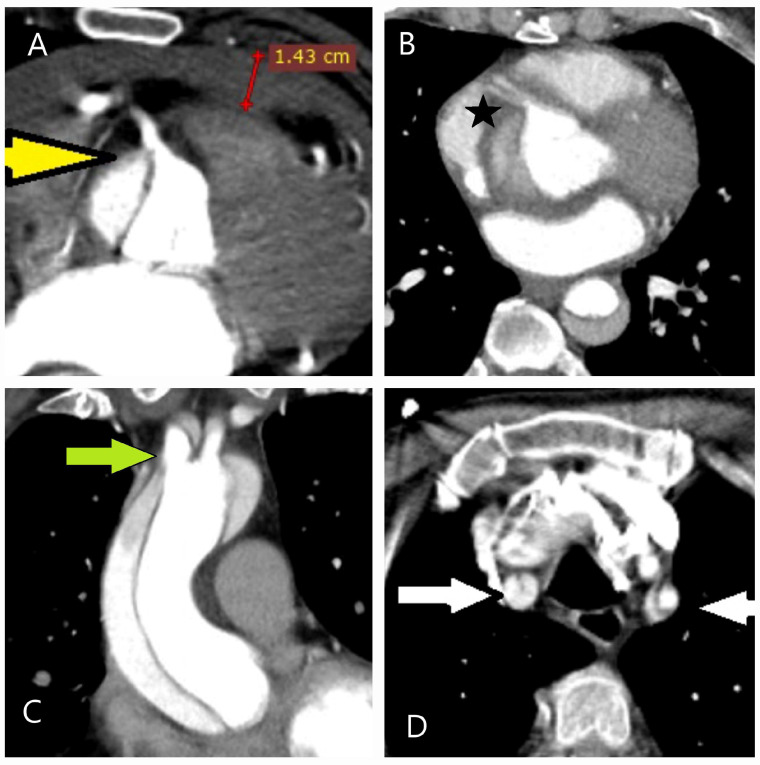
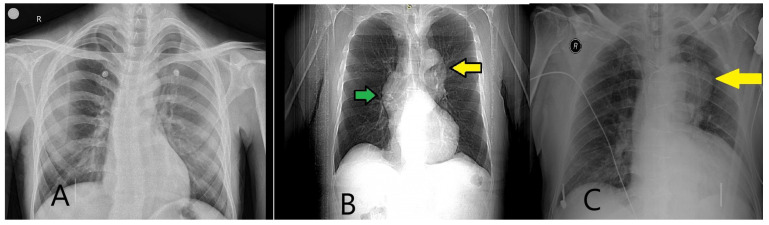
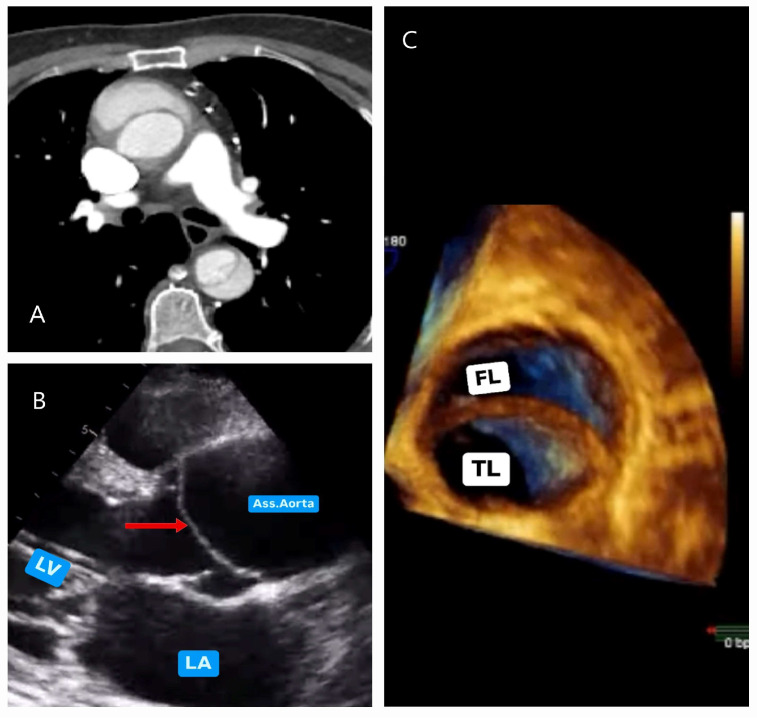
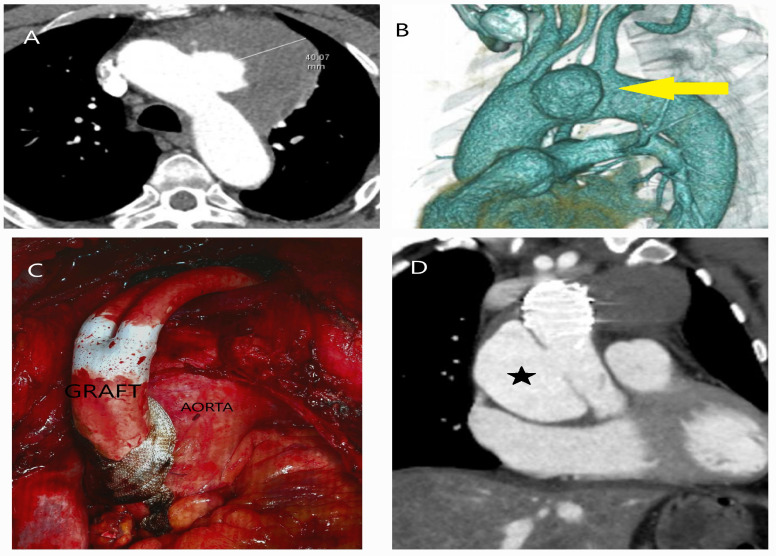
Acute aortic syndrome (AAS) encompasses a range of life-threatening conditions, including classical dissection, intramural hematoma, and penetrating aortic ulcer. Each of these conditions presents distinct clinical characteristics and carries the potential to progress to rupture. Because AAS can be asymptomatic or present with diverse symptoms, its diagnosis requires clinical evaluation, risk scoring, and biomarkers such as D-dimer (DD), C-reactive protein (CRP), homocysteine, natriuretic peptides (BNP), and imaging modalities like computed tomography (CT), magnetic resonance imaging (MRI), and echocardiography. While this review primarily focuses on widely used and clinically accessible biomarkers and imaging techniques, it also discusses alternative biomarkers proposed for diagnostic use. Although CT remains the gold standard for diagnosis, biomarkers facilitate rapid risk stratification, complementing imaging techniques. Emerging technologies, such as metabolomics, are reshaping diagnostic algorithms. Despite advances in diagnostic methods, challenges such as misdiagnosis and missed diagnoses persist. Ongoing research into novel biomarkers and innovative imaging techniques holds promise for improving diagnostic accuracy and patient outcomes.
急性主动脉综合征(AAS)包括一系列危及生命的病症,包括典型的主动脉夹层、壁内血肿和穿透性主动脉溃疡。这些病症中的每一种都具有独特的临床特征,并且都有可能发展为破裂。由于AAS可能无症状或表现出多种症状,其诊断需要临床评估、风险评分以及生物标志物(如D-二聚体(DD)、C反应蛋白(CRP)、同型半胱氨酸、利钠肽(BNP))和成像方式(如计算机断层扫描(CT)、磁共振成像(MRI)和超声心动图)。虽然本综述主要关注广泛使用且临床可及的生物标志物和成像技术,但也讨论了提议用于诊断的替代生物标志物。尽管CT仍然是诊断的金标准,但生物标志物有助于快速进行风险分层,对成像技术起到补充作用。新兴技术,如代谢组学,正在重塑诊断算法。尽管诊断方法取得了进展,但误诊和漏诊等挑战仍然存在。对新型生物标志物和创新成像技术的持续研究有望提高诊断准确性和患者预后。