Tsotsouli Konstantina, Didos Spyros, Koukaras Konstantinos, Argiriou Anagnostis
Institute of Applied Biosciences, Centre for Research and Technology Hellas, Thermi, 57001 Thessaloniki, Greece.
Department of Food Science and Nutrition, University of the Aegean, Myrina, 81400 Lemnos, Greece.
Mar Drugs. 2025 Mar 11;23(3):120. doi: 10.3390/md23030120.
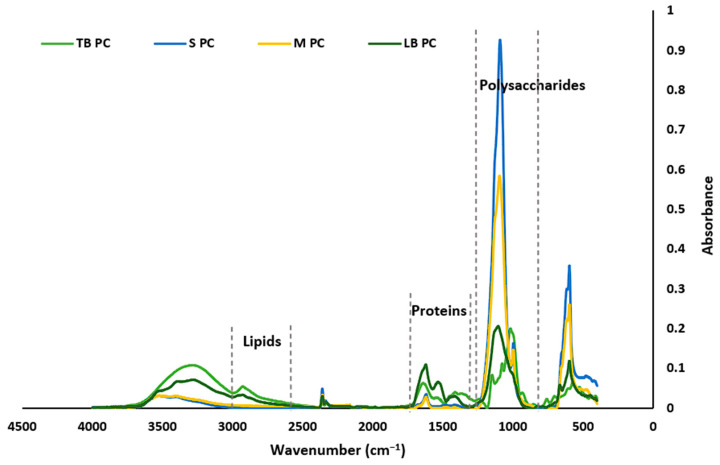
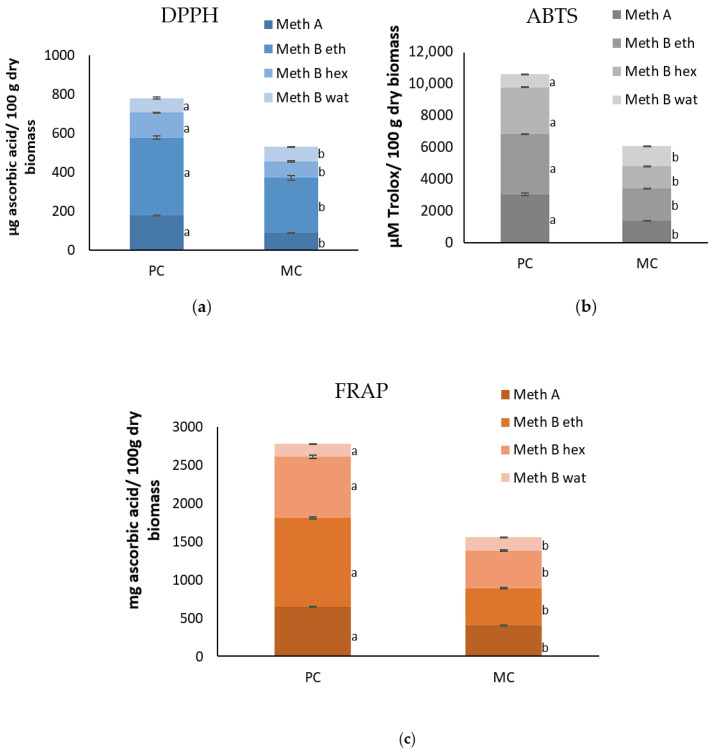
The rapid growth of the dairy industry has resulted in a significant increase in the generation of effluents, which are characterized by a high organic content that poses environmental challenges. In alignment with sustainable practices and the principles of the circular economy, this study investigates the valorization of cheese whey (CW) effluents through the cultivation of the microalga under mixotrophic conditions. The research aims to utilize cheese whey effluents as a supplemental growth medium to enhance the production of algal biomass and extracellular polymeric substances (EPSs). The results reveal that CW facilitated a 37% improvement in growth and led to an approximately eight times greater biomass productivity compared to under photoautotrophic conditions, while the EPS production increased by 30%. Chemical and techno-functional analyses of the microalgal biomass and EPSs suggest promising applications as natural product additives for the food industry. Biomass derived from photoautotrophic culture demonstrated greater antioxidant activity and total polyphenols content. Additionally, the lipid profile revealed 16 distinct fatty acids. On the other hand, biomass from the mixotrophic culture exhibited higher protein levels and eight fatty acids, indicating the influence of the cultivation mode on the biochemical composition. Regarding the EPSs, mixotrophic cultivation resulted in elevated antioxidant activity and total polyphenols content, as well as higher protein and sugar levels. Furthermore, the EPSs produced under mixotrophic conditions exhibited superior techno-functional properties compared to those of the photoautotrophic culture, making them ideal candidates for use as alternative natural food additives.
乳制品行业的快速发展导致废水产生量显著增加,这些废水的特点是有机物含量高,对环境构成挑战。本研究符合可持续发展实践和循环经济原则,通过在混合营养条件下培养微藻,对干酪乳清(CW)废水的价值化进行了研究。该研究旨在利用干酪乳清废水作为补充生长培养基,以提高藻类生物质和细胞外聚合物(EPSs)的产量。结果表明,与光自养条件相比,CW促进了微藻生长提高37%,生物量生产力提高了约8倍,同时EPS产量增加了30%。对微藻生物质和EPSs的化学及技术功能分析表明,它们有望作为食品工业的天然产品添加剂。光自养培养产生的生物质表现出更高的抗氧化活性和总多酚含量。此外,脂质谱显示有16种不同的脂肪酸。另一方面,混合营养培养产生的生物质蛋白质含量更高,有8种脂肪酸,这表明培养方式对生化组成有影响。关于EPSs,混合营养培养导致抗氧化活性、总多酚含量以及蛋白质和糖水平升高。此外,与光自养培养产生的EPSs相比,混合营养条件下产生的EPSs具有更优异的技术功能特性,使其成为替代天然食品添加剂的理想选择。