Bekalu Abaynesh Fentahun, Alemayehu Tekletsadik Tekleslassie, Geremew Gebremariam Wulie, Gelaye Abebech Tewabe, Ayele Habtamu Semagn, Getachew Demis, Beyna Alemante Tafese, Mengesha Assefa Kebad, Muche Esileman Abdela
Department of Clinical Pharmacy, School of Pharmacy, College of Medicine and Health Sciences, University of Gondar, Gondar, Ethiopia.
Department of Social and Administrative Pharmacy, School of Pharmacy, College of Medicine and Health Sciences, University of Gondar, Gondar, Ethiopia.
BMC Health Serv Res. 2025 Apr 7;25(1):506. doi: 10.1186/s12913-025-12687-9.
Irrational prescription of medication is a common issue in clinical practice, particularly for eye disorders that can affect vision. This study aimed to assess the prescribing practices, drug utilization, and post-dispensing knowledge of ophthalmic medications at the University of Gondar Comprehensive and Specialized Hospital in Northwest Ethiopia.
An explanatory sequential mixed-methods study was conducted at the ophthalmology department of the University of Gondar Comprehensive Specialized Hospital from March 2024 to June 2024. Quantitative data were collected using an interviewer-administered structured questionnaire, and chart review was then entered into EpiData version 4.6 and analyzed using SPSS version 25. Descriptive statistics were computed and Binary logistic regression analyses identified factors influencing post-dispensing knowledge, with a significance level of p < 0.05 and results presented with 95% confidence intervals. Qualitative data were collected through in-depth interviews and analyzed thematically using OpenCode software version 4.2.
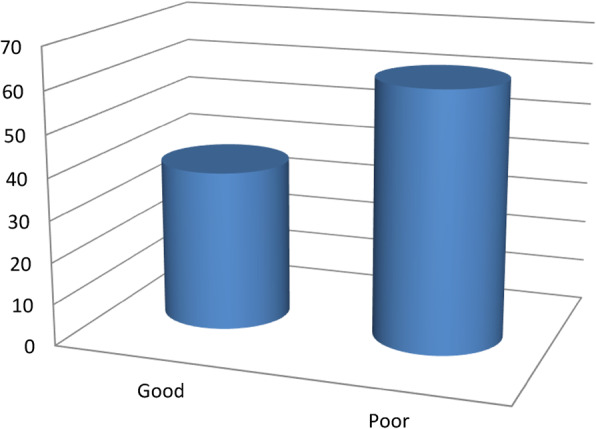
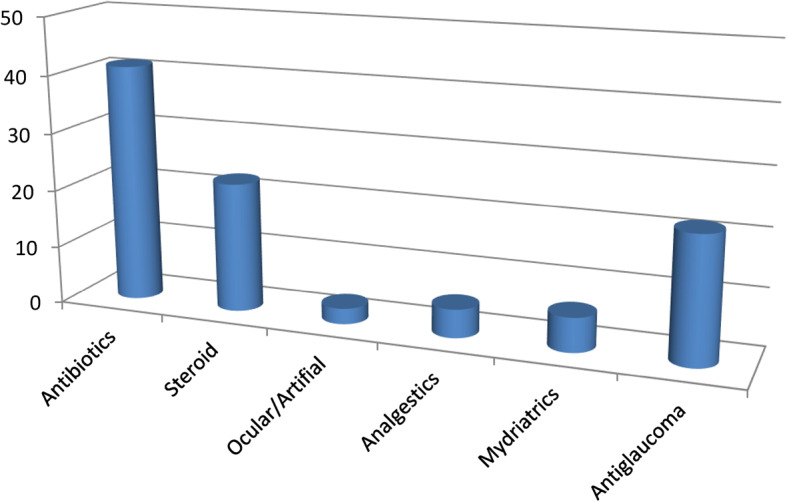
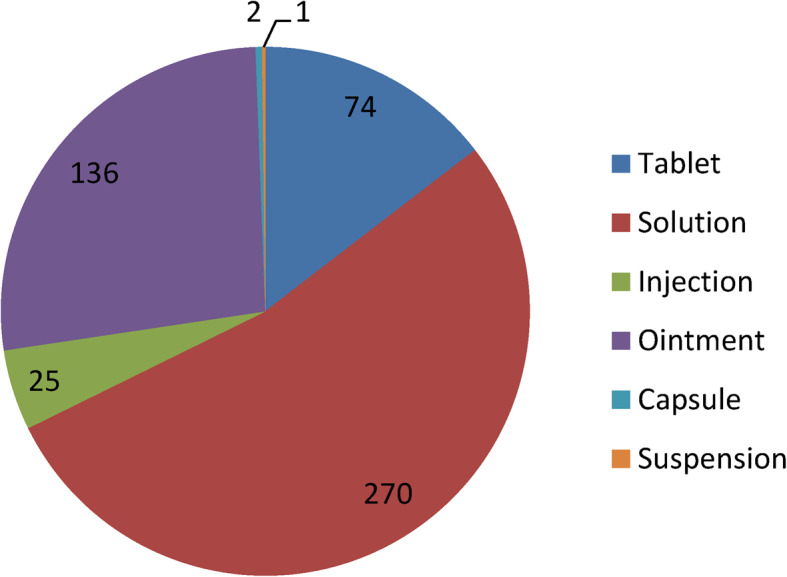
Most respondents were elderly and male, with a higher prevalence of ocular diseases. Ophthalmic medications were predominantly solutions (53.2%), with antibacterial drugs (41.2%), especially Tetracycline, being the most common. Fixed-dose combination drugs were primarily steroid-antibiotic combinations. The average number of drugs per prescription was 1.43, with 90.37% of prescriptions being generic and 66.8% from the National Essential Drug List. Strength, dose, frequency, and duration were recorded in 68.3%, 31.5%, 92.4%, and 31.5% of the prescriptions, respectively. Post-dispensing knowledge was good in 38% of the patients, and 11.5% used medication in both eyes despite infection in only one. Patients with a diploma or higher education (AOR = 2.46, 95% CI 1.35, 4.46) were more likely to have better medication knowledge than those unable to read or write.
Most prescribing indicators were below the e World Health Organization's recommended standards, except for the number of drugs per prescription and the dispensing time. In addition, most ophthalmic prescriptions lacked adequate and complete prescribing information, and most patients had insufficient post-dispensing knowledge. These findings highlight the urgent need to improve prescribing practices, enhance counseling, and implement targeted educational programs to ensure safer and more effective ophthalmic care.
不合理用药是临床实践中的常见问题,在可能影响视力的眼部疾病方面尤为突出。本研究旨在评估埃塞俄比亚西北部贡德尔大学综合专科医院眼科药物的处方行为、药物利用情况及发药后患者的用药知识。
2024年3月至2024年6月在贡德尔大学综合专科医院眼科开展了一项解释性序列混合方法研究。通过访谈员实施的结构化问卷收集定量数据,然后将病历审查数据录入EpiData 4.6版本,并使用SPSS 25版本进行分析。计算描述性统计量,二元逻辑回归分析确定影响发药后用药知识的因素,显著性水平为p < 0.05,结果以95%置信区间呈现。通过深入访谈收集定性数据,并使用OpenCode 4.2软件进行主题分析。
大多数受访者为老年男性,眼部疾病患病率较高。眼科药物主要为溶液剂(53.2%),抗菌药物(41.2%)最为常见,尤其是四环素。固定剂量复方药物主要是类固醇 - 抗生素组合。每张处方的平均药物数量为1.43种,90.37%的处方为通用名药物,66.8%来自国家基本药物清单。分别有68.3%、31.5%、92.4%和31.5%的处方记录了药物强度、剂量、用药频率和用药时长。38%的患者发药后用药知识良好,11.5%的患者尽管仅一只眼睛感染,却双眼用药。拥有文凭或更高学历的患者(调整后比值比 = 2.46,95%置信区间1.35,4.46)比不识字或不会写字的患者更有可能具备更好的用药知识。
除每张处方的药物数量和发药时间外,大多数处方指标低于世界卫生组织推荐标准。此外,大多数眼科处方缺乏充分和完整的处方信息,大多数患者发药后的用药知识不足。这些发现凸显了迫切需要改进处方行为、加强咨询并实施针对性教育项目,以确保更安全、有效的眼科护理。