Urhan Murat, Akanalçı Ceren, Küçükerdönmez Özge, Karataş Ezgi, Akder Rana Nagihan, Nalçakan Mesut, Meseri Reci
Department of Nutrition and Dietetics, Faculty of Health Sciences, Ege University, İzmir, Turkey.
İzmir Metropolitan Municipality Eşrefpaşa Hospital Athlete Health Unit, İzmir, Turkey.
BMC Sports Sci Med Rehabil. 2025 May 10;17(1):121. doi: 10.1186/s13102-025-01139-w.
The aim of this study was to evaluate the pre-season nutritional status, diet quality, and energy availability levels of Paralympic athletes competing in wheelchair basketball.
Thirty-two male paralympic athletes, aged 18-63 years, from the Turkish Wheelchair Basketball League participated in the study. Body composition was assessed using dual-energy X-ray absorptiometry (DEXA), while resting metabolic rate (RMR) was measured through indirect calorimetry. Seven-day dietary intake and physical activity records were also collected. Diet quality was analyzed using the Healthy Eating Index- 2020 (HEI- 2020), and energy availability levels were calculated based on the collected data.
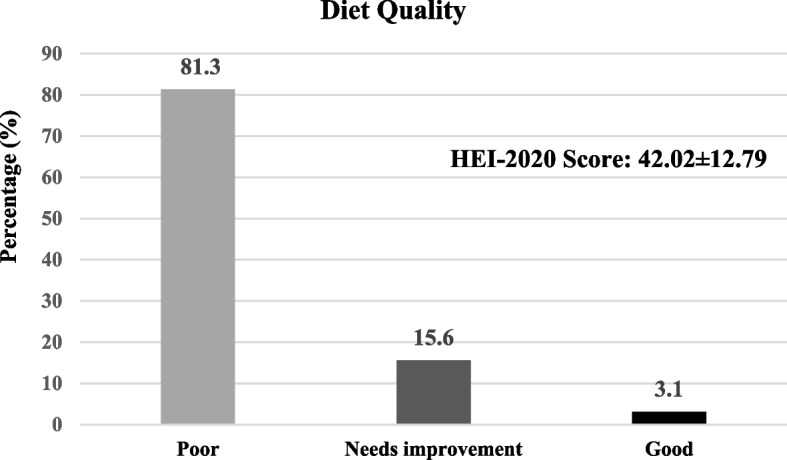
The findings revealed that 81.8% of the athletes exhibited poor diet quality. On average, the athletes dietary carbohydrate intake was 2.75 ± 1.22 g/kg/day, while their protein intake was 1.04 ± 0.49 g/kg/day. The proportion of energy derived from dietary fat was 38.81 ± 6.7%, with 13.39 ± 2.99% coming from saturated fat. Intake levels of thiamine, folate, vitamin A, calcium, potassium, magnesium, and zinc were found to be inadequate. The average energy level among paralympic athletes was 37.41 ± 11.01 kcal/kg FFM/day, with 21.2% classified as having low energy availability levels and 57.5% as having subclinical energy availability levels. The athletes demonstrated a negative energy balance (- 560.02 ± 593.43 kcal/day), which was more pronounced on training days (- 889.04 ± 683.84 kcal/day).
These results suggest that paralympic athletes had insufficient dietary intake of energy, macronutrients, and micronutrients, alongside a high prevalence of low and subclinical energy availability levels. Developing nutrition recommendations tailored specifically for paralympic athletes, combined with implementing nutrition education programs led by qualified dietitians, could play a crucial role in safeguarding and improving their health, enhancing training adaptations, and optimizing athletic performance.
本研究旨在评估参加轮椅篮球比赛的残奥会运动员的季前营养状况、饮食质量和能量可利用水平。
来自土耳其轮椅篮球联盟的32名男性残奥会运动员,年龄在18 - 63岁之间,参与了本研究。使用双能X线吸收法(DEXA)评估身体成分,通过间接测热法测量静息代谢率(RMR)。还收集了七天的饮食摄入量和身体活动记录。使用2020年健康饮食指数(HEI - 2020)分析饮食质量,并根据收集的数据计算能量可利用水平。
研究结果显示,81.8%的运动员饮食质量较差。平均而言,运动员的膳食碳水化合物摄入量为2.75±1.22克/千克/天,蛋白质摄入量为1.04±0.49克/千克/天。膳食脂肪提供的能量比例为38.81±6.7%,其中饱和脂肪提供的能量占13.39±2.99%。发现硫胺素、叶酸、维生素A、钙、钾、镁和锌的摄入量不足。残奥会运动员的平均能量水平为37.41±11.01千卡/千克去脂体重/天,其中21.2%被归类为能量可利用水平低,57.5%为亚临床能量可利用水平。运动员表现出负能量平衡(-560.02±593.43千卡/天),在训练日更为明显(-889.04±683.84千卡/天)。
这些结果表明,残奥会运动员在能量、宏量营养素和微量营养素的膳食摄入方面不足,同时低能量和亚临床能量可利用水平的患病率较高。制定专门针对残奥会运动员的营养建议,并结合由合格营养师主导的营养教育计划,对于保障和改善他们的健康、增强训练适应性以及优化运动表现可能起着至关重要的作用。