Cai Yiqing, Yang Guoyan, Liu Yibo, Zou Xiangyun, Yin Heng, Jin Xinyan, Liu Xuehan, Wang Chenlu, Robinson Nicola, Liu Jianping
Centre for Evidence-Based Chinese Medicine, Beijing University of Chinese Medicine, Beijing, China.
NICM Health Research Institute, Western Sydney University, Penrith, Australia.
Integr Med Res. 2025 Jun;14(2):101144. doi: 10.1016/j.imr.2025.101144. Epub 2025 Apr 11.
Singing bowl has traditionally been utilized to promote healing and relaxation. This systematic review aimed to analyze all available clinical evidence, and determine any beneficial or adverse effects of singing bowl in any population.
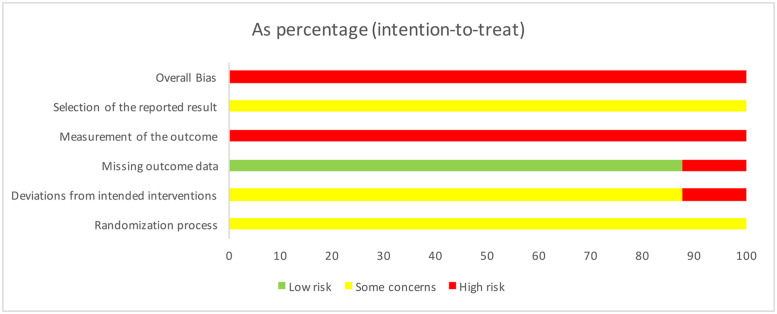
Databases searched included PubMed, Embase, the Cochrane Library, PsyINFO, CINAHL, CNKI, VIP, Wanfang, Sinomed from database inception to July 2024. Clinical studies of singing bowl therapy, regardless of research type, population, and intervention were included. The risk of bias of randomized controlled trials (RCTs) was assessed using the Cochrane tool. Data from randomized trials were analyzed and presented as the mean difference with 95 % confidence interval, and the results from two or more separate trials with same study type that evaluated similar populations, interventions, comparisons and outcomes were statistical pooled using meta-analysis by Stata.16 software.
Nineteen clinical studies originated from eight countries and published between 2008 and 2024 were identified. Half were RCTs (9), the remainder included case series studies (7), randomized crossover studies (2) and non-RCT (1). Evidence showed that singing bowl has been applied to a wide range of conditions, including the elderly, surgery, Parkinson's disease, pain, cancer, neurological function, sleep disorder, depression, anxiety, autism spectrum disorder, as well as physiological and psychological function, and it has mainly focused on outcomes related to mental health.
Singing bowl may have potential to alleviate anxiety, depression, improve quality of sleep and cognitive function in various patient groups, and change autistic behavior. It also shows potential benefits in physiological improvements like electroencephalography.
PROSPERO, CRD42025639808.
传统上,颂钵被用于促进康复和放松。本系统评价旨在分析所有可用的临床证据,并确定颂钵对任何人群的有益或不良影响。
检索的数据库包括从建库至2024年7月的PubMed、Embase、Cochrane图书馆、PsyINFO、CINAHL、中国知网、维普、万方、中国生物医学文献数据库。纳入了关于颂钵疗法的临床研究,无论其研究类型、人群和干预措施如何。使用Cochrane工具评估随机对照试验(RCT)的偏倚风险。对随机试验的数据进行分析,并以95%置信区间的平均差表示,对于两项或更多项评估相似人群、干预措施、对照和结局的同一研究类型的独立试验结果,使用Stata.16软件进行Meta分析进行统计合并。
共识别出19项来自8个国家、发表于2008年至2024年之间的临床研究。其中一半是RCT(9项),其余包括病例系列研究(7项)、随机交叉研究(2项)和非RCT(1项)。证据表明,颂钵已应用于广泛的病症,包括老年人、手术、帕金森病、疼痛、癌症、神经功能、睡眠障碍、抑郁、焦虑症、自闭症谱系障碍以及生理和心理功能,并且主要集中在与心理健康相关的结局上。
颂钵可能有潜力缓解各种患者群体的焦虑、抑郁,改善睡眠质量和认知功能,并改变自闭症行为。它在脑电图等生理改善方面也显示出潜在益处。
PROSPERO,CRD42025639808。