Xu Wenbo, Niu Qian, Zhao Kun, Zhao Haozhi, Zhang Long, Li Wenxuan, Yan Hong, Dong Zhilong
Institute of Urology, Gansu Province Clinical Research Center for Urinary System Disease, The Second Hospital & Clinical Medical School, Lanzhou University, Lanzhou, Gansu, 730030, People's Republic of China.
Department of Urology, The Second Hospital & Clinical Medical School, Lanzhou University, Lanzhou, People's Republic of China.
Int J Gen Med. 2025 May 20;18:2599-2618. doi: 10.2147/IJGM.S515066. eCollection 2025.
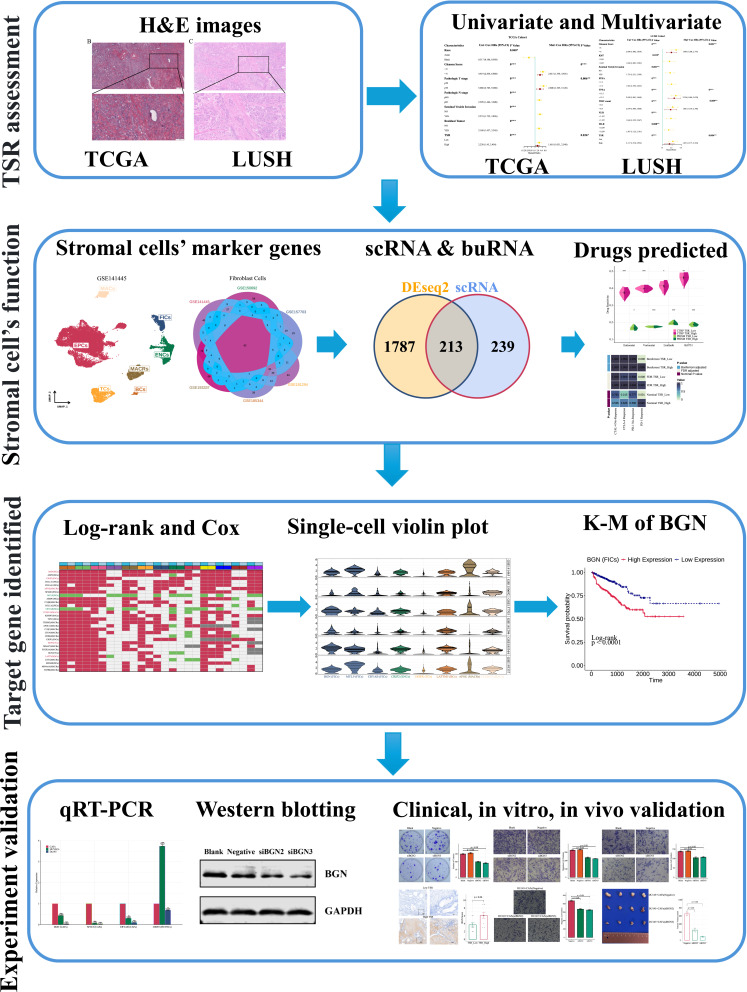
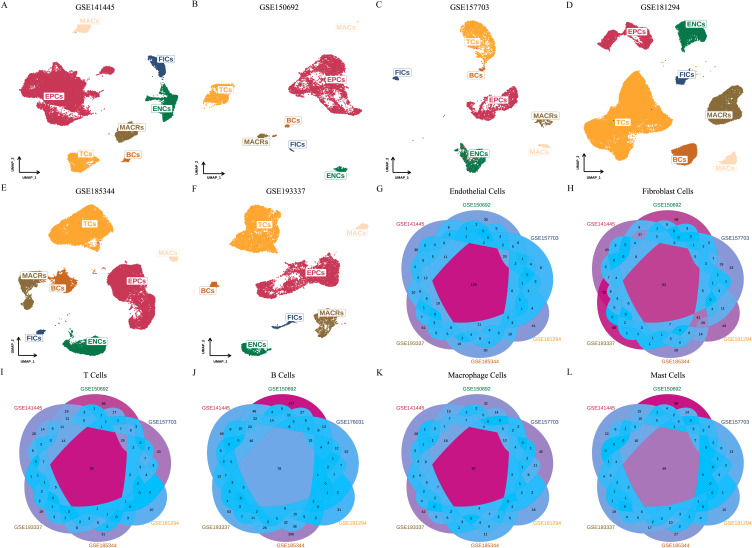
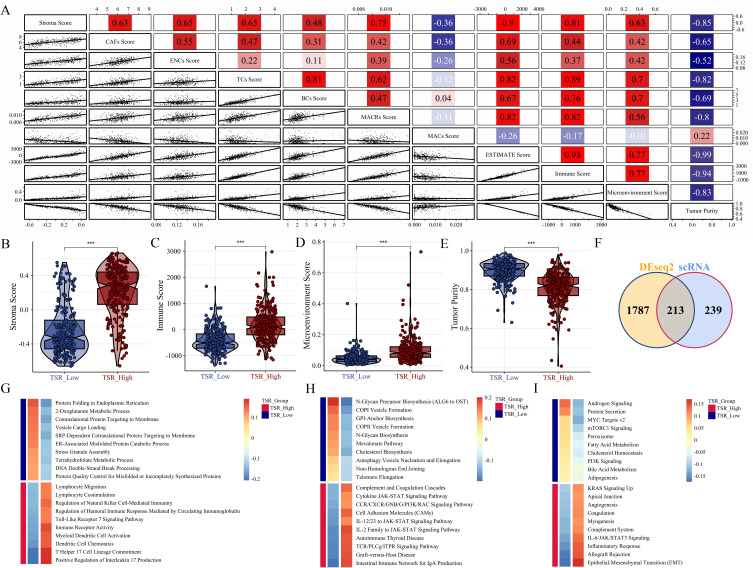
Tumor stroma ratio (TSR) is a prognostic factor in various cancers, but its role in prostate adenocarcinoma (PRAD) remains unclear. This study investigates TSR's prognostic value in PRAD using clinicopathological data, bulk/single-cell RNA sequencing to explore tumor-stroma interactions and identify therapeutic targets.
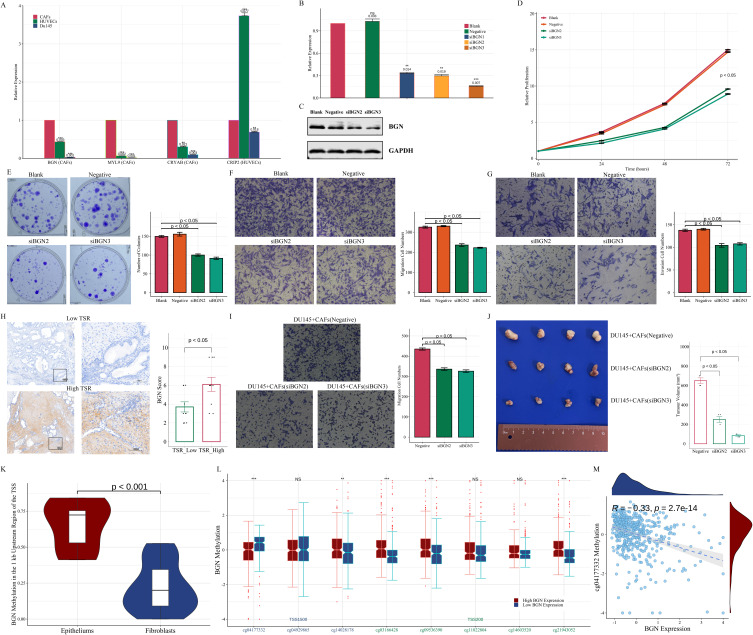
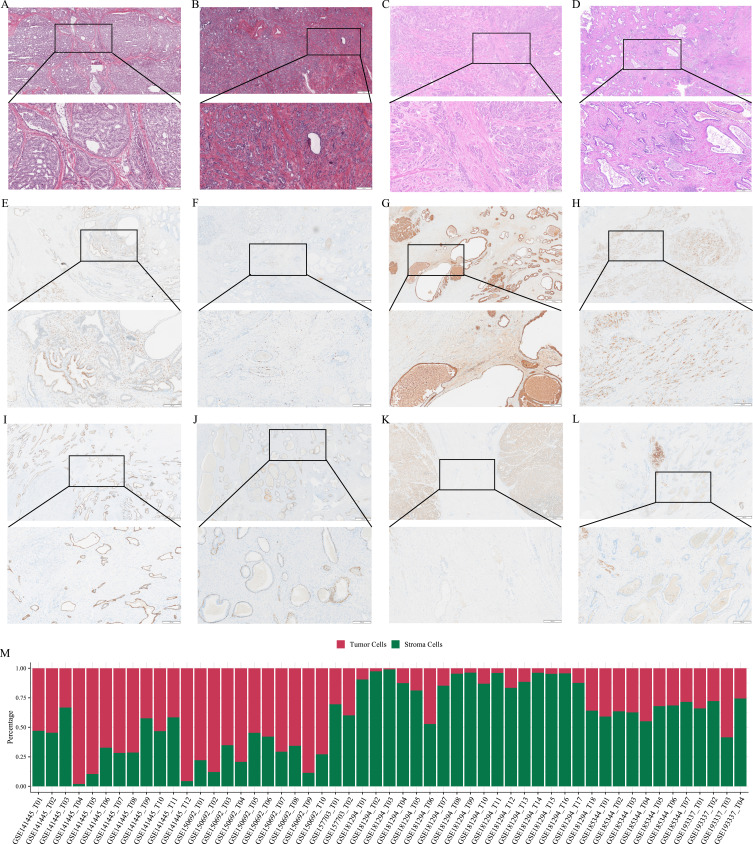
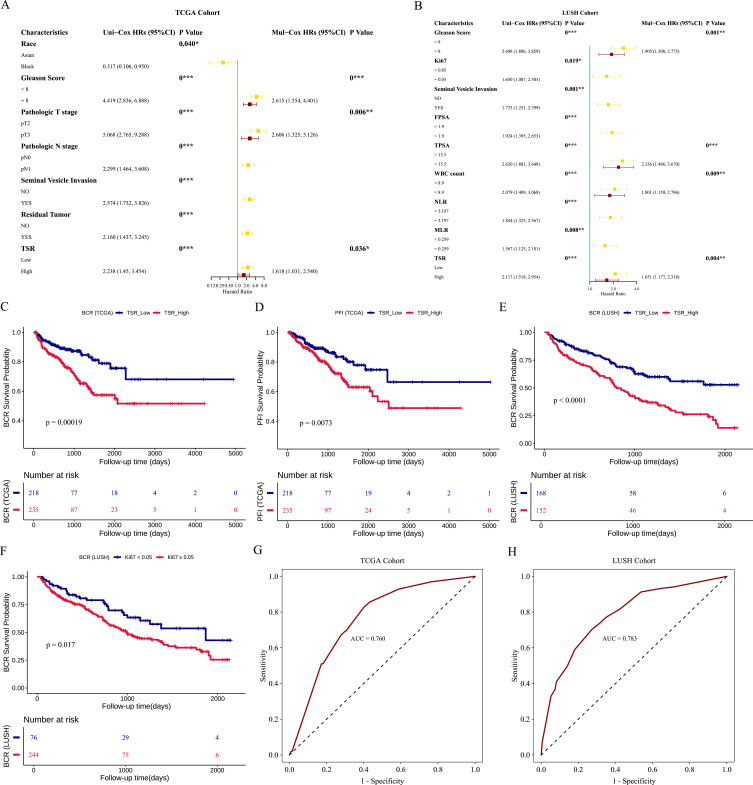
Two PRAD cohorts (The Cancer Genome Atlas cohort, TCGA; Lanzhou University Second Hospital, LUSH) were analyzed for TSR associations with clinicopathological features and biochemical recurrence (BCR). TSR was assessed via digital image analysis and expert pathologist review. Publicly available bulk/single-cell RNA sequencing data were analyzed to identify TSR-associated genes and predict drug targets, pathways, and immunotherapy responses. Quantitative real-time PCR validated mRNA expression. In vitro assays assessed cell proliferation, growth, and migration, while in vivo xenograft assays validated BGN's role in promoting tumorigenesis.
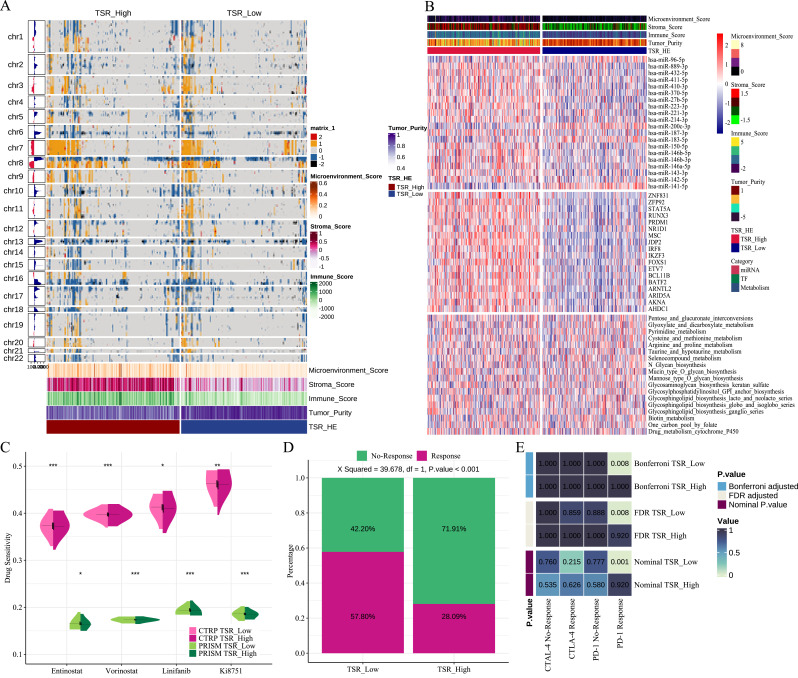
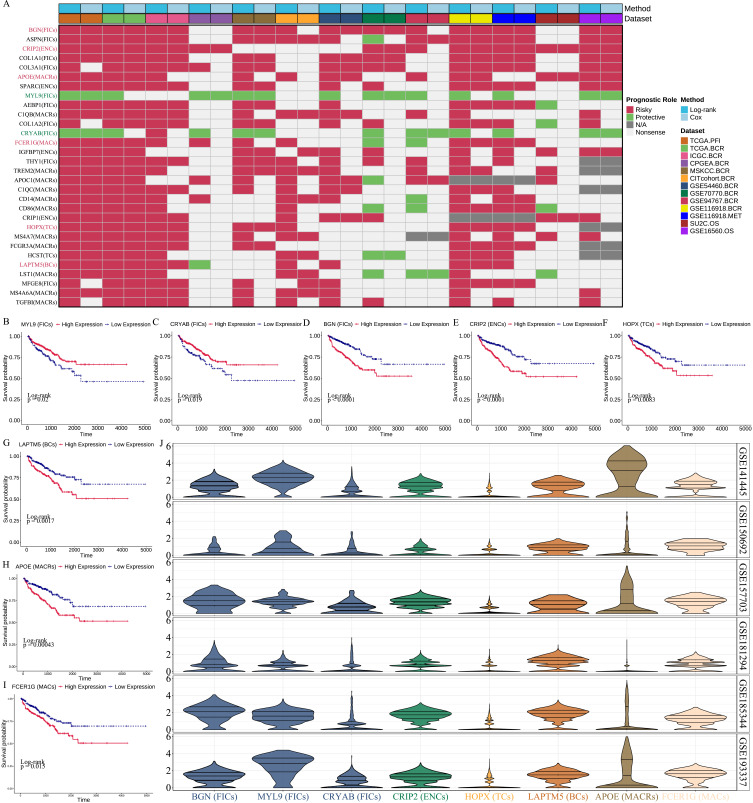
TSR significantly correlated with clinicopathological features (age, Gleason score, stage, seminal vesicle invasion, BCR) in both TCGA (n = 453) and LUSH (n = 320) cohorts. High TSR independently predicted BCR in multivariable Cox regression. High TSR was associated with copy number variations, differentially expressed miRNAs/transcription factors, and metabolic pathways. Predicted anti-cancer drug targets, like Ki8751, showed potential benefit in high-TSR patients. High TSR may correlate with poor immunotherapy response. Notably, downregulation of BGN in cancer-associated fibroblasts (CAFs) significantly suppressed cell proliferation, migration, and invasion in vitro, and in vivo xenograft assays confirmed that BGN downregulation inhibited tumor growth.
This study highlights TSR's prognostic significance in prostate cancer and its association with adverse clinical outcomes and complex tumor-stroma interactions, identifying BGN, a stromal cell-related gene, as a potential therapeutic target for CAFs. However, these findings are limited by the retrospective design, necessitating prospective validation.
肿瘤基质比(TSR)是多种癌症的预后因素,但其在前列腺腺癌(PRAD)中的作用仍不明确。本研究利用临床病理数据、批量/单细胞RNA测序来研究TSR在PRAD中的预后价值,以探索肿瘤-基质相互作用并确定治疗靶点。
分析了两个PRAD队列(癌症基因组图谱队列,TCGA;兰州大学第二医院,LUSH)中TSR与临床病理特征及生化复发(BCR)的相关性。通过数字图像分析和专家病理学家评估来确定TSR。分析公开可用的批量/单细胞RNA测序数据,以识别与TSR相关的基因,并预测药物靶点、通路和免疫治疗反应。定量实时PCR验证mRNA表达。体外实验评估细胞增殖、生长和迁移,而体内异种移植实验验证BGN在促进肿瘤发生中的作用。
在TCGA队列(n = 453)和LUSH队列(n = 320)中,TSR均与临床病理特征(年龄、 Gleason评分、分期、精囊侵犯、BCR)显著相关。在多变量Cox回归分析中,高TSR独立预测BCR。高TSR与拷贝数变异、差异表达的miRNA/转录因子及代谢通路相关。预测的抗癌药物靶点,如Ki8751,对高TSR患者显示出潜在益处。高TSR可能与免疫治疗反应不佳相关。值得注意的是,癌症相关成纤维细胞(CAF)中BGN的下调显著抑制了体外细胞增殖、迁移和侵袭,体内异种移植实验证实BGN下调抑制肿瘤生长。
本研究突出了TSR在前列腺癌中的预后意义及其与不良临床结局和复杂肿瘤-基质相互作用的关联,确定了基质细胞相关基因BGN作为CAF的潜在治疗靶点。然而,这些发现受回顾性设计的限制,需要前瞻性验证。