Matpan Emir, Baykal Ahmet Tarık, Telci Lütfi, Kundak Türker, Serteser Mustafa
School of Medicine, Department of Medical Biochemistry, Acibadem Mehmet Ali Aydinlar University, Istanbul, Turkey.
Acibadem Labmed Clinical Laboratories, Istanbul, Turkey.
PLoS One. 2025 Jul 3;20(7):e0327244. doi: 10.1371/journal.pone.0327244. eCollection 2025.
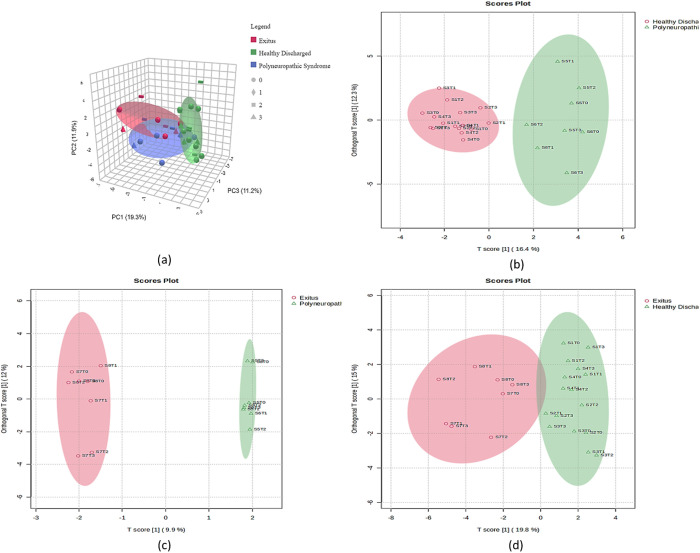
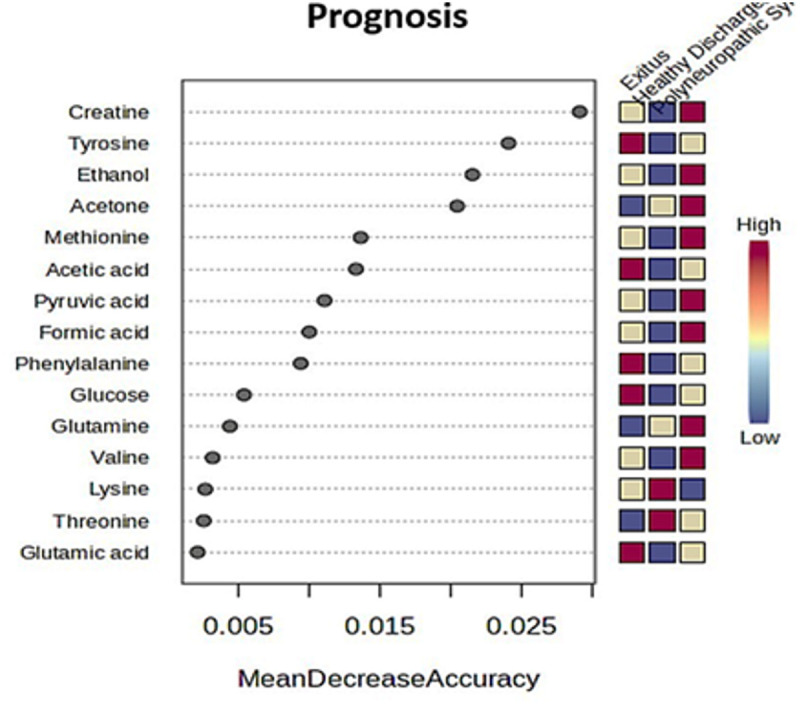
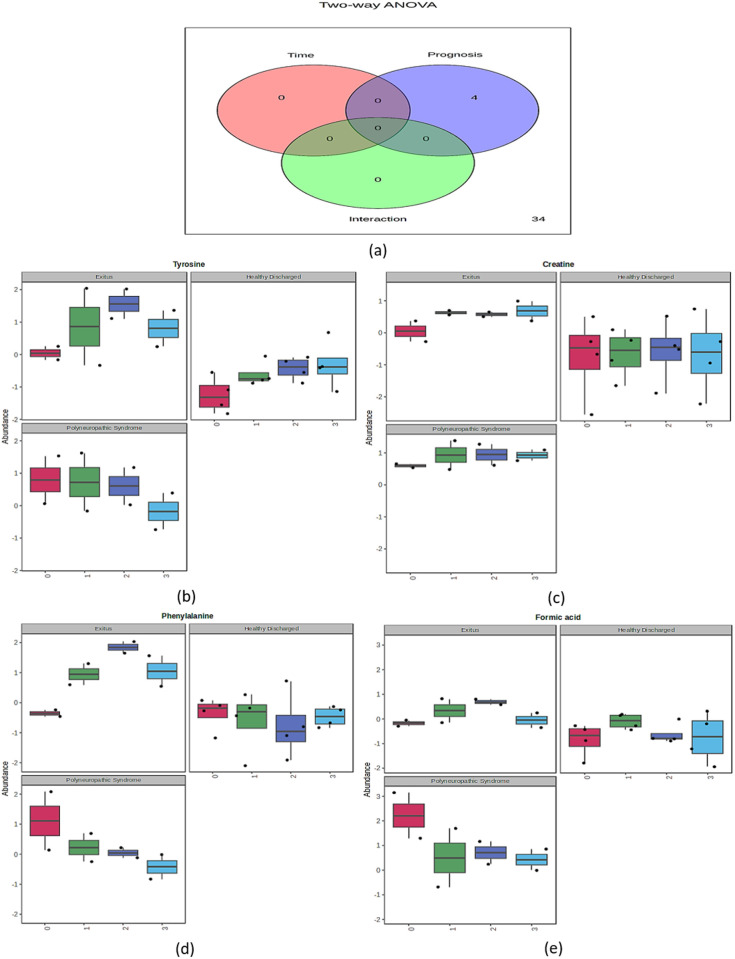
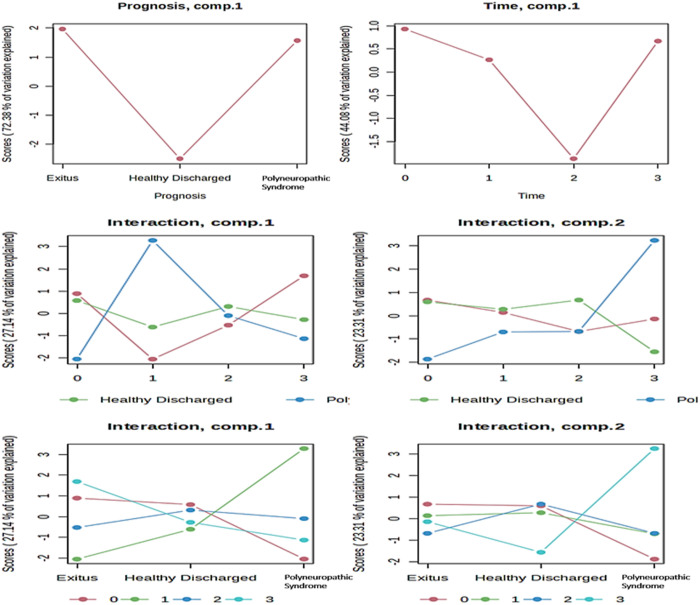
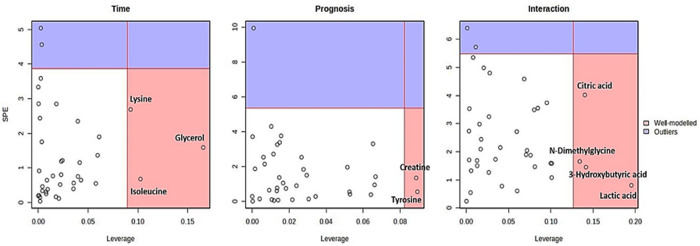
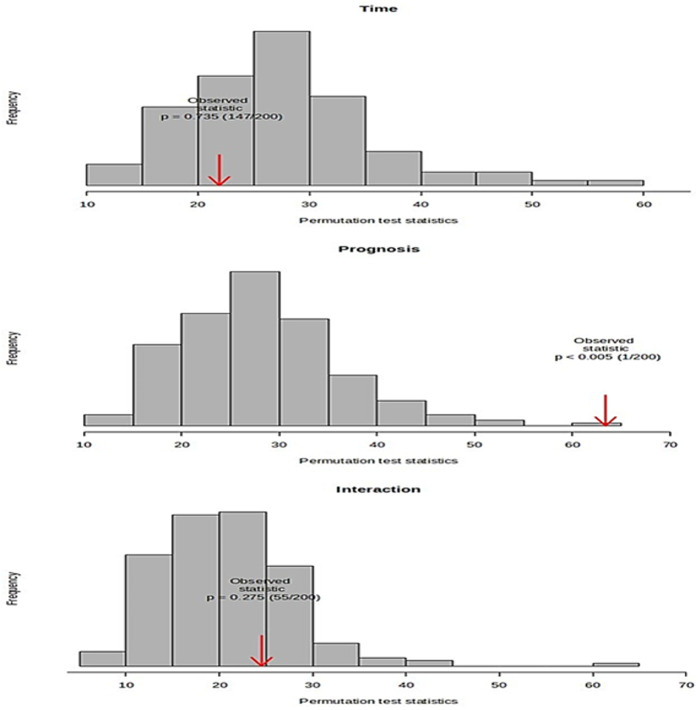
The global impact of SARS-CoV-2, which causes COVID-19, remains significant, being intensified by the emergence of variants. Comprehensive metabolomic studies aimed to elucidate the distinctive metabolic footprint of the virus. For critically ill patients with COVID-19 in the intensive care unit (ICU), longitudinal monitoring based on their prognosis is crucial to optimize treatment outcomes. This study retrospectively investigated the temporal changes in the metabolomic profiles of patients admitted to the ICU with COVID-19, who were categorized into three prognostic groups: healthy discharged (HD), polyneuropathic syndrome (PS), and Exitus. In total, 32 serum samples collected in April 2020 at regular intervals (four samples per patient) and stored at -80°C, were analyzed using proton nuclear magnetic resonance (1H-NMR) spectroscopy. Significant (p < 0.05) prognostic changes in creatine and tyrosine levels were revealed by two-way analysis of variance (ANOVA) and ANOVA-simultaneous component analysis (ASCA). Furthermore, supervised random forest analysis demonstrated excellent group prediction with a 21.9% out-of-bag error rate based on prognosis. Specifically, creatine levels were highest in the PS group, whereas tyrosine levels were highest in the Exitus group. However, no metabolite displayed significant changes over time. In addition, metabolic pathway analysis using the Kyoto Encyclopedia of Genes and Genomes database indicated that the most significantly impacted pathway (p < 0.05) across different prognostic groups was "phenylalanine, tyrosine and tryptophan biosynthesis." This preliminary study emphasizes the need for time-series analysis of samples from unvaccinated patients with varying prognoses, providing valuable insights into the metabolic impact of COVID-19.
导致新冠肺炎的严重急性呼吸综合征冠状病毒2(SARS-CoV-2)的全球影响仍然很大,并且因变体的出现而加剧。旨在阐明该病毒独特代谢特征的综合代谢组学研究。对于重症监护病房(ICU)中患有新冠肺炎的重症患者,基于其预后的纵向监测对于优化治疗结果至关重要。本研究回顾性调查了入住ICU的新冠肺炎患者代谢组学谱的时间变化,这些患者被分为三个预后组:健康出院(HD)、多神经病变综合征(PS)和死亡(Exitus)。总共分析了2020年4月定期采集(每位患者4份样本)并保存在-80°C的32份血清样本,采用质子核磁共振(1H-NMR)光谱法进行分析。通过双向方差分析(ANOVA)和ANOVA同时成分分析(ASCA)揭示了肌酸和酪氨酸水平的显著(p<0.05)预后变化。此外,监督随机森林分析显示基于预后的袋外错误率为21.9%,具有出色的组预测能力。具体而言,PS组的肌酸水平最高,而Exitus组的酪氨酸水平最高。然而,没有代谢物随时间显示出显著变化。此外,使用京都基因与基因组百科全书数据库进行的代谢途径分析表明,不同预后组中受影响最显著的途径(p<0.05)是“苯丙氨酸、酪氨酸和色氨酸生物合成”。这项初步研究强调了对不同预后的未接种疫苗患者的样本进行时间序列分析的必要性,为新冠肺炎的代谢影响提供了有价值的见解。