Saunders K, King A M
J Virol. 1982 May;42(2):389-94. doi: 10.1128/JVI.42.2.389-394.1982.
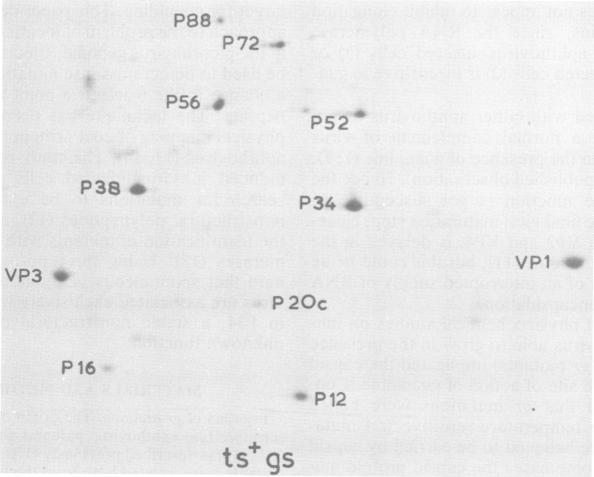
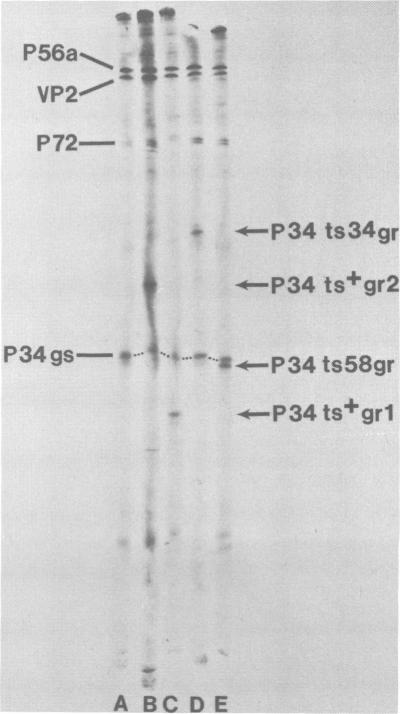
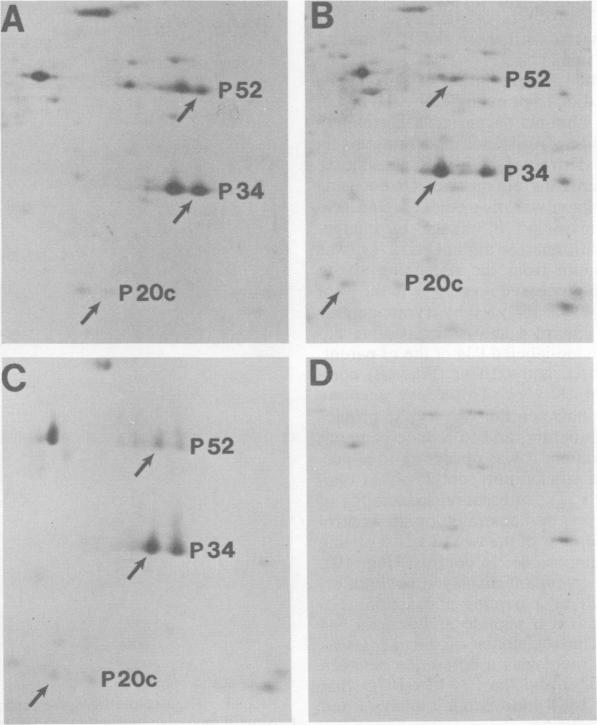
Extracts of cells infected with guanidine-resistant mutants of aphthovirus were examined for differences in virus-induced polypeptides by using electrofocusing. Four of 1 independent spontaneous mutants induced the synthesis of an altered nonstructural polypeptide, P34. The precursor of P34, P52, and a previously unmapped polypeptide, P20c, also carried these charge-change mutations. No mutations in other regions of the genome were detected, and the remaining six guanidine-resistant mutants appeared entirely normal by electrofocusing. However, when the P34 of one of the latter mutants was examined by tryptic peptide fingerprinting, it too differed from that of the guanidine-sensitive parent. The frequency of P34 alterations among guanidine-resistant mutants suggests that P34 is functionally involved in the antiviral action of guanidine.
通过使用电聚焦法,对感染了口蹄疫病毒胍抗性突变体的细胞提取物进行了病毒诱导多肽差异的检测。11个独立的自发突变体中有4个诱导合成了一种改变的非结构多肽P34。P34的前体P52以及一个先前未定位的多肽P20c也携带这些电荷变化突变。未检测到基因组其他区域的突变,其余6个胍抗性突变体通过电聚焦法显示完全正常。然而,当通过胰蛋白酶肽指纹图谱检查后一种突变体之一的P34时,它也与胍敏感亲本的P34不同。胍抗性突变体中P34改变的频率表明P34在胍的抗病毒作用中发挥功能作用。